 EN

CQDJ FRP Tube for Agricultural Support: Why I Stopped Pushing Steel on Growers
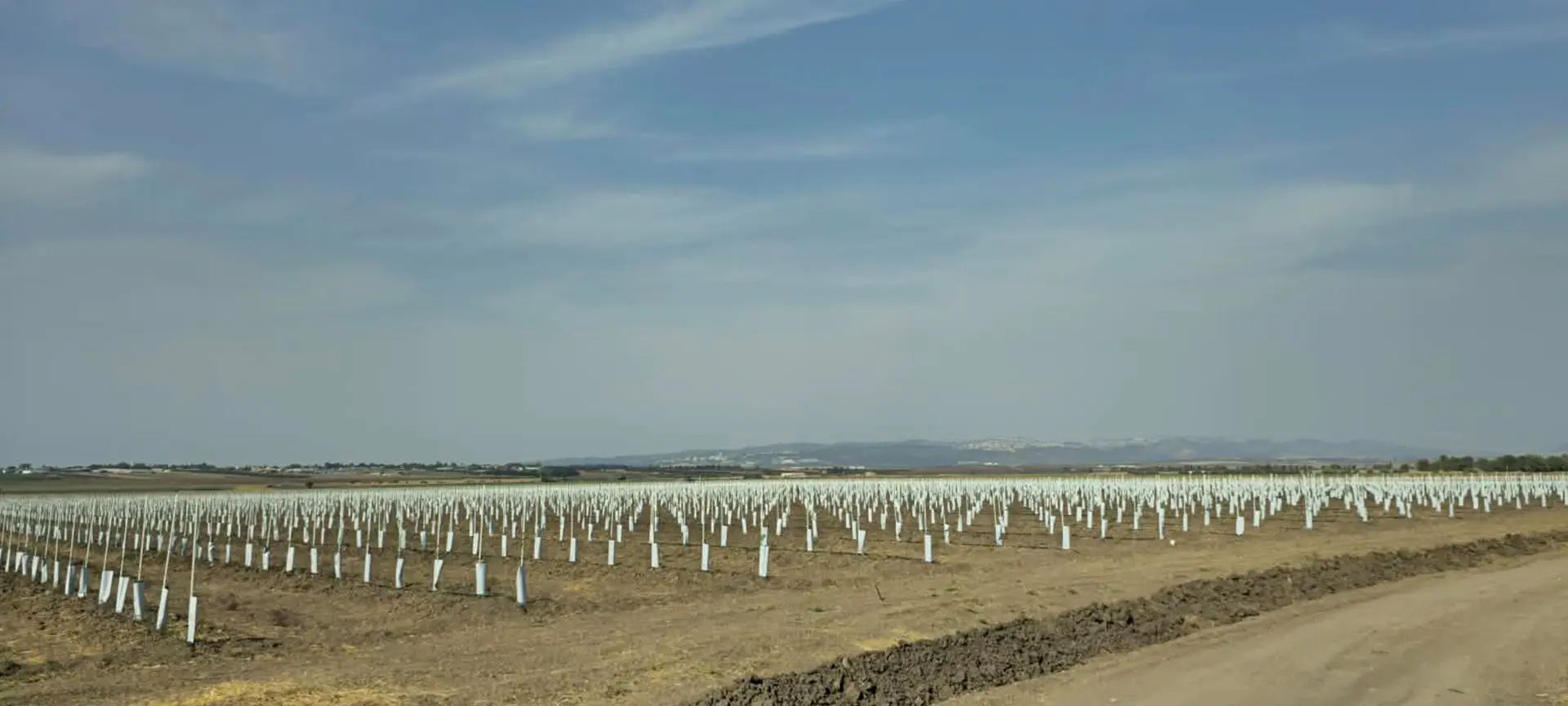
I've been making fiberglass profiles since 1991. That's thirty-five years of watching growers fight the same quiet enemy. Rust. Rot. The slow, expensive death of whatever they drove into the ground to hold up a crop. FRP tube changed that fight for a lot of my customers, and I'm done pretending steel and wood are still the smart call.
We pultrude these profiles in Chongqing, and the farm market is the one that surprised me most. I expected builders to buy first. Instead it was the growers who called back for repeat orders, season after season.
You put a post in the dirt. You pour fertilizer on it for ten years. You run irrigation lines past it. You leave it through freezing winters and wet summers. What survives that? Not pine. Not galvanized steel. Definitely not bamboo. I've pulled all three out of fields, and every one of them looked like it lost a war.
The ground is not your friend
People talk about agricultural support like it's just a rod stuck in soil. It isn't. The soil stays wet half the year. The chemicals you spray are acidic or alkaline or both. The sun cooks the surface every summer. A FRP tube sits in that mess and shrugs. The resin matrix doesn't care about pH. The glass fibers don't rust. That's the whole argument in one sentence, and it took me a decade of field failures to say it without flinching.
Wood rots from the inside out. You can't see it until the post snaps when you lean on it. Steel rusts from the outside in, and the rust bleeds iron into your soil and your plants. I've seen rust rings around tomato roots. That's not a theory. That's a dead plant sitting in poisoned dirt.
Freeze-thaw is the quiet killer too. Water gets into a crack in steel or a grain line in wood, freezes overnight, and splits the post a little more each winter. The fiberglass wall takes that cycle without opening a single hairline. I've pulled our posts out of a field after a hard northern winter and seen the surface look the same as the day we cut it.
The Ningxia vineyard that shut me up about wood
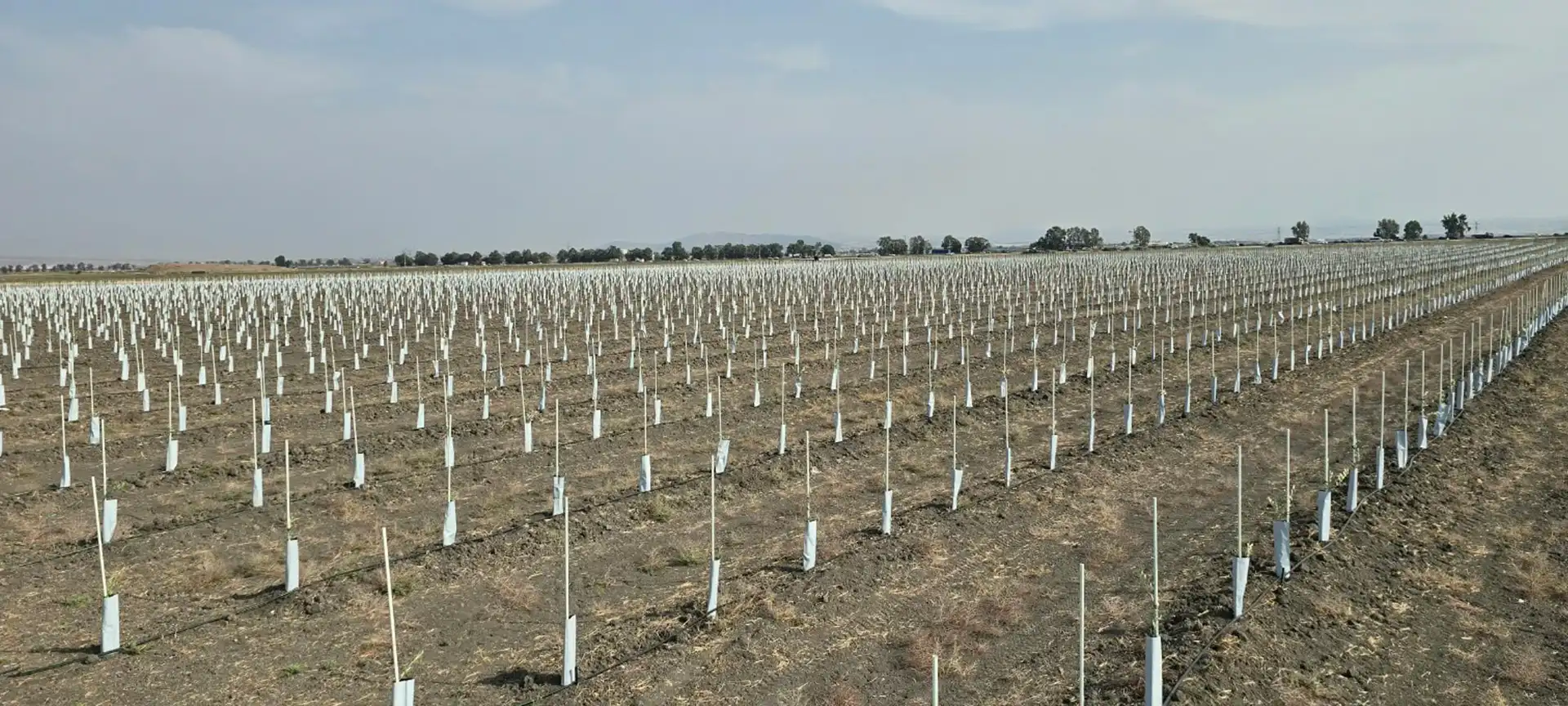
Back in 2009 I sold a vineyard in Ningxia a few thousand treated-pine trellis posts. Cheapest option on the table. I told the owner wood was fine if he re-treated every few years. He didn't. By 2012 half of those posts had softened at the ground line and three rows had collapsed in a wind event. He called me angry. I deserved it.
We replaced the failed rows with FRP tube from our pultrusion line, 25 mm outside diameter, 3 mm wall. Same trellis wire, same anchors. The difference was stupidly obvious. The FRP posts weighed a third of what the wet pine weighed, so two workers set them by hand with no machinery. They went in straight because the pultrusion process holds tolerance better than a sawn stick ever will. Fifteen years later those rows are still standing. The pine rows? Long gone, replaced twice over.
That job rewired how I talk to growers. I don't lead with price anymore. I lead with how many times you want to dig the field back up. The post just keeps holding while you forget it's even there.
Why a non-conductive post matters more than you think
Greenhouses are where steel really shows its age. You've got heating cables, irrigation pumps, sensor lines, all running on low voltage near the structure. A steel post is a conductor. A FRP tube is a dielectric. When a worker clips a wire against the frame, the steel frame bites. The fiberglass frame doesn't.
I had a customer in Shandong run a heated greenhouse on steel posts through the 2014 winter. A faulty ground wire energized part of the frame. Nobody got hurt, but the scare was real, and the rust that winter was brutal. We swapped that house to our fiberglass trellis and top rail the next season. The grower told me his insurance guy actually liked the change. Non-conductive support is a safety story, not just a corrosion story.
What's actually inside a good FRP tube
Not all fiberglass is equal, and I'll fight anyone who says it is. A proper FRP tube for outdoor agricultural use starts with E-glass roving pulled through a pultrusion die. The resin is either isophthalic polyester or vinyl ester for the farms that spray hard chemicals. We run a polyester surface veil on the outside so the UV doesn't chew the glass at the surface. Skip the veil and you'll get fiber bloom in three seasons. I've seen it on cheap imported tube, and it isn't pretty.
Wall thickness decides everything. A 2 mm wall is fine for light plant stakes and tomato cages. A 3 to 4 mm wall carries a loaded vineyard trellis or a shade-house frame through a storm. We measure straightness on every batch because a bowed post throws off the whole row. Barcol hardness on the cured surface tells us the resin cured right. If the Barcol reads low, that batch doesn't ship. Period.
The cut ends matter too. Open fiber at a sawn end will wick water, and over years that wick works back up the wall. We cap or seal the ends on agricultural grades so the tube stays closed. Little detail. Big difference at year eight.
The cost math nobody does on a napkin
Everyone compares the sticker price. Pine is cheap. Steel is middle. The fiberglass tube looks expensive up front. So let's do the math the way a farmer actually lives it.
Pine trellis posts run maybe two to three yuan each at the yard, but they last three to five years in a wet field before they soften. That's a replacement cycle every four years, plus the labor of pulling and resetting. Steel runs more, maybe eight to twelve yuan, and lasts longer, but the rust and the soil contamination and the install weight eat the savings. A fiberglass tube costs more per stick, call it fifteen to twenty-five yuan depending on diameter and wall, but it stays in the ground ten to twenty years with nothing done to it.
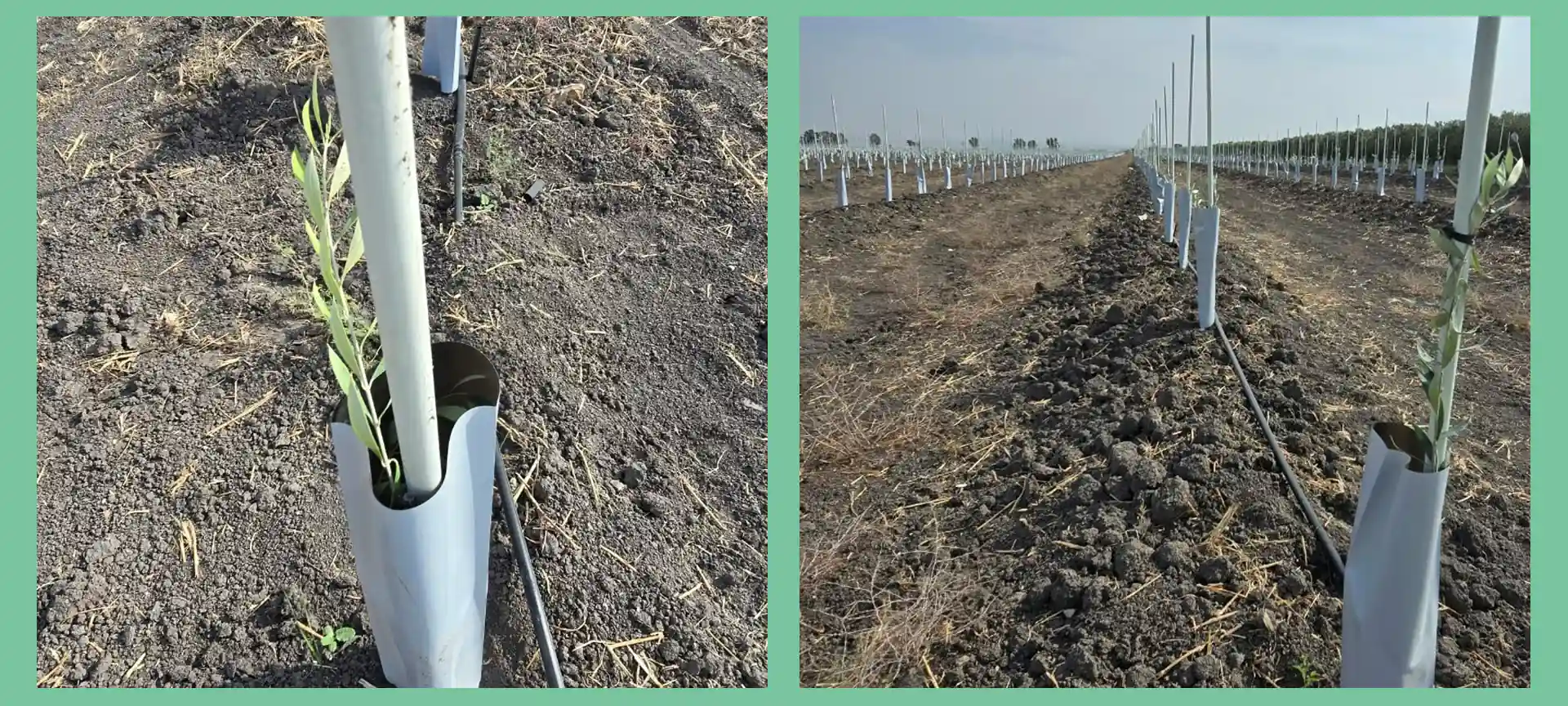
Divide the price by the years. Pine becomes the most expensive thing in the field because you keep buying it. Steel sits in the middle and fights you on install weight. FRP tube wins the per-year number every time, and it wins the labor number too because one person sets it. When you add up sticks plus trips plus aching backs, the fiberglass post is the cheap one. Steel rusts. The fiberglass post just keeps holding.
How to set them so they last the full twenty years
I get asked whether you can drill an FRP tube. Yes. Use a carbide bit and don't force it, or you'll fuzz the resin. For trellis wire, drill a small hole and tie off, or use a clip made for pultruded profiles. Don't nail it. Nails split the wall and start a crack that water follows.
Spacing follows your crop, not the post. Vineyards want posts every six to eight meters with a strong end anchor. Tomato rows want lighter stakes every two to three meters. Greenhouses want a heavier main post at the corners and along the ridge. The FRP tube doesn't care which you pick. It carries the load you give it as long as the wall thickness matches.
An orchard in Sichuan called me about supporting young citrus. They'd been using concrete posts that cracked under the trees' own weight when the soil shifted after heavy rain. We sent 40 mm FRP tube on a two-meter spacing with capped ends. The grower sent a photo three years later. Trees straight, posts untouched, not one crack. Concrete would have given him a cleanup job by then.
Cutting to length in the field is fine with a hacksaw or an abrasive wheel, but seal that cut the same day. Leave an open end through one rainy season and you've started the wick I mentioned earlier. End caps also stop birds from perching and pecking at the resin, which sounds like a small thing until you're looking at a thousand posts in a field.
Where CQDJ fits and what I'll stand behind
We make these profiles in Chongqing. We've run pultrusion lines for decades, and we control the mix from the roving to the cut length. You want a 20 mm tube for bean stakes, we cut it. You want a 50 mm tube for a greenhouse main post, we cut that too. Standard lengths ship fast. Custom diameters need a die, and I'll tell you straight whether your volume justifies the tooling.
Our quality check is not a glance. Every batch gets a Barcol spot check, a wall-thickness measurement, and a straightness pass. If a FRP tube leaves our plant with a soft cure or a bow, it comes back to us, not to your field. I've built this business on that promise since the early nineties, and I'm not loosening it for a quick order.
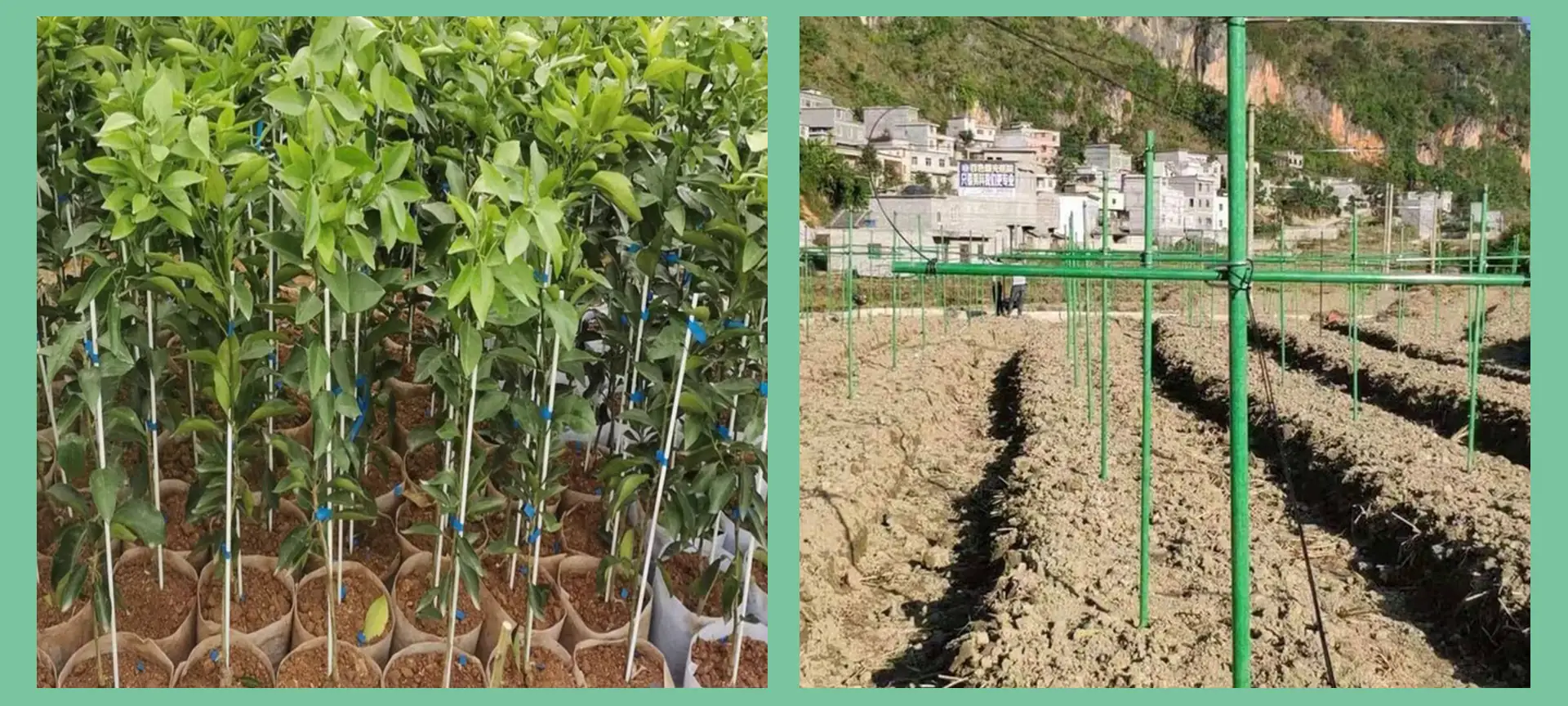
Stop overthinking the post
If you're planning a vineyard, an orchard trellis, a greenhouse frame, or just a field of tomato stakes, the material question is settled in my head. Wood rots. Steel rusts. FRP tube does neither, and it won't conduct a stray current into your workers or your plants.
Reach out and tell me your row spacing and your load. I'll spec the diameter and wall, quote the cut length, and ship from Chongqing. You can read the specs on our FRP tube product page or see how pultruded profiles beat wood in our guide to FRP for farm structures. The first order is the one that proves it to you. The second order is the one where you stop buying wood.