 EN

We Have Pultruded Fiberglass Plant Stakes for Three Seasons. Here Is What Actually Matters
Three growing seasons sounds like a short time to someone outside composites. To me it is a long enough run to separate a decent profile from a liability. We started running Fiberglass Plant Stakes on our pultrusion line in 2021, mostly for greenhouse and vineyard buyers, and the learning curve was steeper than I admitted at the time.
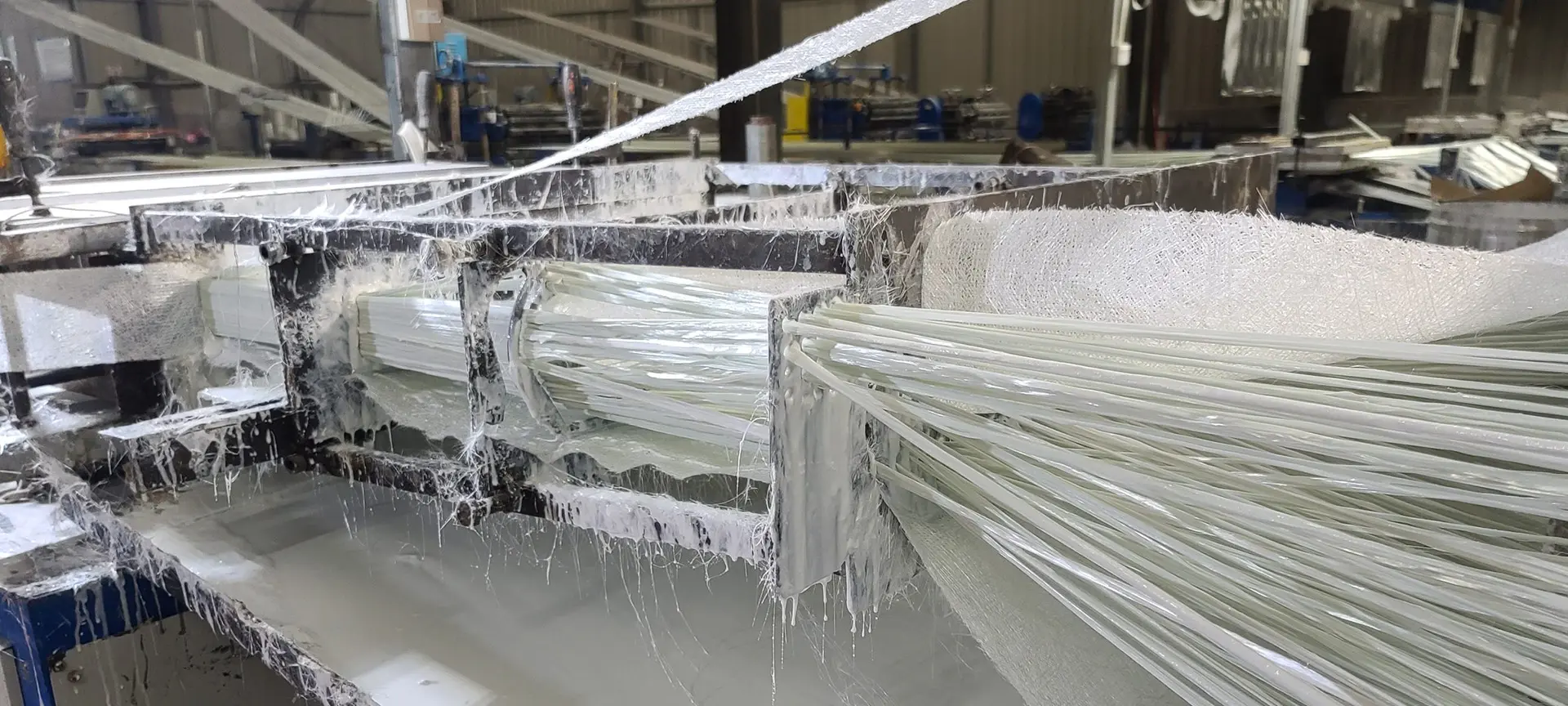
I've run pultrusion since the 1990s. Rods, tubes, utility poles, the lot. A stake looks simple. It is not. Fiberglass Plant Stakes are mostly glass held in resin, and that mix is the whole story. The pull speed, the bath temperature, the catalyst, the roving tension, they all fight each other. Get one wrong and you get a stake that looks straight on the rack and goes wavy in the field.
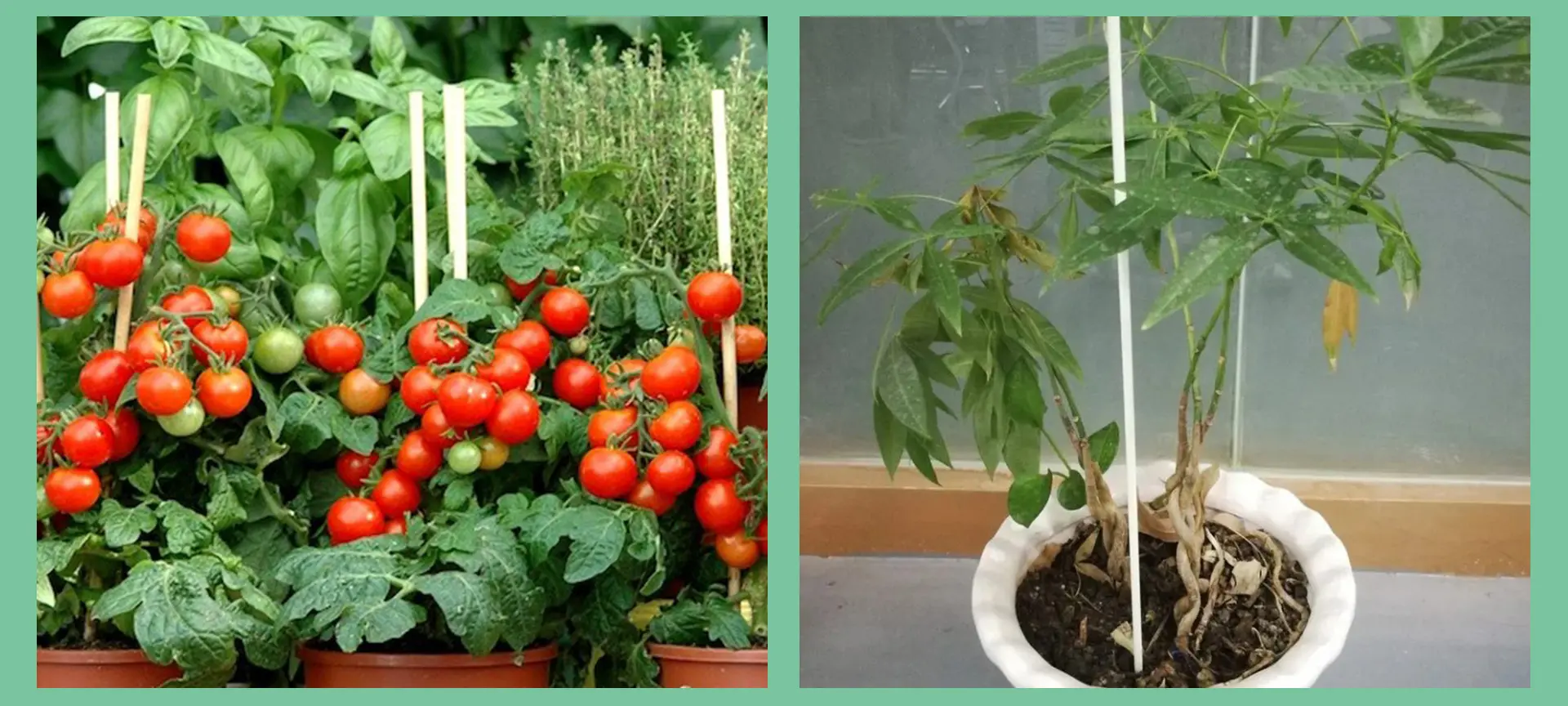
The first thing we got wrong was pull speed. Our standard rod line ran at a pace that was fine for solid 10-millimeter rod. Stakes need a different cure window. We pushed too fast in the spring of 2022 and a batch came out with a soft skin. Not brittle. Soft. The customer in Shandong called after the tomato plants leaned over because the stake bent under a light load. We pulled the rest from the market. That call cost us a truckload and a weekend.
After that we slowed the line for stakes and added a second infrared zone. The cure got even. The stiffness came back. A fiberglass plant stake that bends instead of holding is useless, and the only way to know is to load-test a sample, not trust the eye.
Glass content is the number I watch now. We hold 65 percent E-glass by weight on our standard stake. Drop below 60 and the rod gets flexy. Push above 70 and it gets brittle and the line fights you with strand breakage. There is a sweet spot, and it is narrow. People who buy on price alone never see this number. They see the per-piece quote and miss the resin-to-glass ratio that decides whether the stake lives five years or one.
Surface finish is the quiet differentiator. A stake that comes off the die with a rough, resin-starved surface picks up dirt and UV damage faster. We switched to a chrome die and a light surface veil on the 2023 run. The veil is a thin polyester tissue that sits on the outside and seals the glass from weather. It sounds like a small thing. It adds a season or two of life in direct sun. I was skeptical until we pulled 2022 and 2023 samples side by side. The difference was obvious.
Color again. Fiberglass plant stakes spend their working life outdoors, so a pigment that fades in one summer is a real defect, not a cosmetic one. We tested a green stake because buyers liked the look in a garden. The green pigment we used first faded patchy in one season under a Guangdong summer. We moved to a stabilized gray that holds. Garden centers care about looks on the shelf. Fields care about what the stake does after the sun owns it. Both matter, and they are not the same requirement.
Diameter choices confuse new buyers. We make fiberglass plant stakes from 6 to 16 millimeters. The 6 and 8 millimeter sizes sell to flower and seedling growers who tie light stems. The 12 and 16 millimeter sizes go to vineyards and young trees where the load is real. A common mistake is buying one diameter for everything. A tomato row does not need a 16-millimeter post, and a grapevine will laugh at an 8-millimeter one. Match the stake to the crop or you waste money both ways.
Length is the other lever. We cut stakes from 0.6 meter for tray work up to 3 meters for orchard support. The longer ones need a straighter tolerance because a 3-meter wave is visible from across the field. We hold plus or minus 2 millimeters on straightness for the long sizes. Short stakes can be a bit looser. Tightening the tolerance on everything just raises the price for no field benefit.
Tipping the stake changed our returns. We added a molded taper to one end so it drives into hard, dry ground without splitting. Before that, landscapers used a hammer and cracked the tips. Cracked tips mean water entry and early failure. Fiberglass plant stakes with a cracked tip are a return waiting to happen, and the taper closed that door. The taper cost us almost nothing on the line and cut our damage claims on that SKU to near zero. Sometimes the fix is a shape, not a material.
Fiberglass plant stakes also need the right chemistry for the soil they sit in. Acidic greenhouse media and alkaline field soil attack different resins. We run an isophthalic polyester for general use and a vinyl ester for the acidic, high-moisture jobs. Vinyl ester costs more. For a grower running constant fertigation with a low pH, it pays back. For a dry field, it is overkill. I'd rather tell a buyer they don't need the upgrade than sell them one they can't feel.
We pull-test every batch. A sample from the start, the middle, and the end of a run gets bent to a set angle and checked for recovery and surface crack. If one fails, the run gets reviewed before it ships. This is the boring part of the job that nobody photographs. It is also the part that keeps the phone from ringing with complaints.
Storage matters more than buyers expect. A stake left in a wet bundle on the ground picks up moisture at the cut ends. We ship in bound bundles with caps and tell distributors to keep them off the soil. A distributor in Jiangsu ignored that and then wondered why the bottom layer went soft. The product was fine. The handling was not. We now print the storage note on the bundle wrap. Cheap fix, real difference.
I get asked why a buyer should care about any of this. Because the failure mode is silent. A wooden stake announces itself by leaning. A bad composite stake looks fine on arrival and fails in month seven, after the return window closed. The only protection is a supplier who controls the line and tests it. I've been burned by my own line enough times to respect that.
Three seasons in, I'm confident about what a good fiberglass plant stake is. High glass content, even cure, sealed surface, right diameter for the crop, right resin for the soil. None of that is exciting. All of it is the reason a stake either lasts or quietly fails. I've been wrong about plenty in 35 years. On this one, the field data backs the line.
If you buy stakes by the thousand, ask your supplier for the glass content and the resin type before you ask for the price. The price will make sense once you know what is inside. A stake is a dumb object. What's inside it is not.