 EN

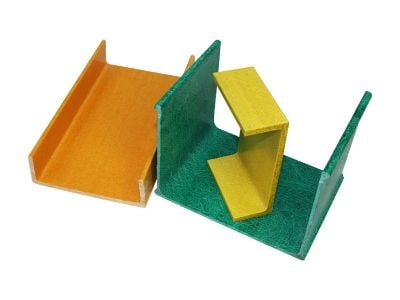
When sourcing fiberglass tubes for your business, understanding key factors such as minimum order quantity (MOQ), packaging, and lead time is essential. As B2B importers, you face unique challenges in ensuring that the products you choose meet your specifications, quality standards, and project timelines. This article provides practical tips and insights on wholesale fiberglass tube buying to help you make informed decisions and optimize your procurement process.
A Guide for Importers
When importing fiberglass tubes, it's crucial to clarify your specific needs before engaging with suppliers. Start by identifying the intended application of the fiberglass tubes whether for construction, industrial use, or custom projects as this will dictate your specifications. Gather details such as required dimensions, load-bearing capacity, and environmental considerations, as these factors can significantly affect both performance and pricing. Next, be aware of the Minimum Order Quantity (MOQ). This is the smallest number of units a supplier is willing to sell at one time. Understanding the MOQ allows you to budget your purchase effectively and gauge whether you can meet the supplier's requirements without over committing. Some manufacturers may offer lower MOQs for customized products, which can be beneficial for smaller projects. Lastly, ensure you discuss your timeline with the supplier. Understanding lead times how long it will take for your order to be processed and shipped helps in planning your project schedule and avoiding delays.
Key Specifications for Fiberglass Tubes
When selecting fiberglass tubes, there are several critical specifications to consider:
Material Composition: Fiberglass tubes can be made from various resin systems, such as epoxy or polyester. The choice of resin impacts the tube's strength, durability, and chemical resistance. For instance, epoxy resin offers better thermal stability and chemical resistance than polyester.
Dimensions and Tolerances: Accurate dimensions are vital for ensuring that the tubes fit well within your application. Be clear about the required length, diameter, and wall thickness. Tolerances how much variation is acceptable from the specified dimensions are also important; tighter tolerances often indicate higher quality.
Mechanical Properties: Consider the tensile strength, flexural strength, and impact resistance of the fiberglass tubes. These properties will affect their performance in real-world applications. For example, if the tubes are intended for structural applications, higher tensile strength is critical.
Coatings and Treatments: Depending on their end use, fiberglass tubes and rods may require additional coatings or treatments for UV protection, corrosion resistance, or surface finish. Ensure you discuss these requirements with potential suppliers.
Understanding these specifications not only helps in selecting the right product but also aids in comparing different suppliers effectively.
How to Choose the Right Supplier for Fiberglass Tubes?
Choosing a reliable supplier is critical for ensuring quality and consistency in your orders. Here are several factors to consider:
Manufacturing Capability: Evaluate the supplier's manufacturing processes, such as filament winding, which are used to create fiberglass tubes. A supplier with advanced technology and stringent quality controls is more likely to produce high-quality products.
Experience and Expertise: Look for suppliers with a proven track record in the fiberglass industry. Experience often correlates with knowledge of best practices and potential problem areas, such as common production issues or material selection challenges.
Quality Assurance: Inquire about the supplier's quality control processes. Certification to international standards, such as ISO, can indicate a commitment to quality. Additionally, ask about their testing methods to ensure that the fiberglass tube manufacturers meet specified performance criteria.
Customization Options: If your project requires specific designs or dimensions, confirm that the supplier has the capability to provide custom solutions. Discuss their experience with similar projects and their approach to customization.
Customer Support: Strong communication and support from the supplier can help resolve issues quickly and ensure a smooth ordering process. Look for suppliers who are willing to provide samples and detailed product specifications.
Lead Time Considerations for Wholesale Fiberglass Tube Orders
Lead time is a critical factor in the procurement of fiberglass tubes, as it affects project timelines and planning. Several aspects influence lead time:
Order Size: Larger orders may require more processing time than smaller ones. Be prepared to discuss your order size with suppliers to get a better estimate of lead times.
Customization Requirements: If you require custom fiberglass tubes, lead times may increase due to the additional manufacturing processes involved. Confirm how customization impacts delivery schedules.
Supplier Capacity: Understanding the supplier's production capacity can help you gauge how quickly they can fulfill your order. Suppliers with higher capacity may offer shorter lead times, especially during peak demand periods.
Shipping and Logistics: Factor in shipping times when planning your order. If your supplier is located internationally, customs and transportation times can add to the overall lead time. Discuss shipping options with the supplier to find the most efficient method for your needs.
Seasonal Variations: Be aware that lead times can fluctuate based on seasonal demand. Planning orders in advance during peak periods can help mitigate delays.
Common Problems When Sourcing Fiberglass Tubes and Solutions
When sourcing fiberglass tubes, several common challenges may arise. Here are some potential problems and solutions:
Quality Discrepancies: Inconsistent product quality can lead to performance issues. To mitigate this risk, request samples before placing a large order. Inspect these samples for dimensions, surface finish, and overall quality. Establish clear quality standards in your purchase agreement.
Communication Gaps: Miscommunication regarding specifications can result in receiving incorrect products. Ensure that all specifications are documented clearly and confirm them with the supplier. Utilize technical drawings or prototypes when necessary.
Unexpected Costs: Additional costs for shipping, customs, or handling can exceed initial budget estimates. To avoid surprises, ask for a complete breakdown of all costs associated with your order, including any potential fees.
Lead Time Delays: If delivery times are extended, project timelines may be affected. Build in buffer time for critical projects and maintain open communication with your supplier about potential delays.
Supply Chain Issues: Disruptions in the supply chain can affect availability. To minimize this risk, consider establishing relationships with multiple suppliers or maintaining a safety stock of essential materials.
By proactively addressing these challenges, you can streamline your sourcing process and ensure that your fiberglass tube meet your project requirements.