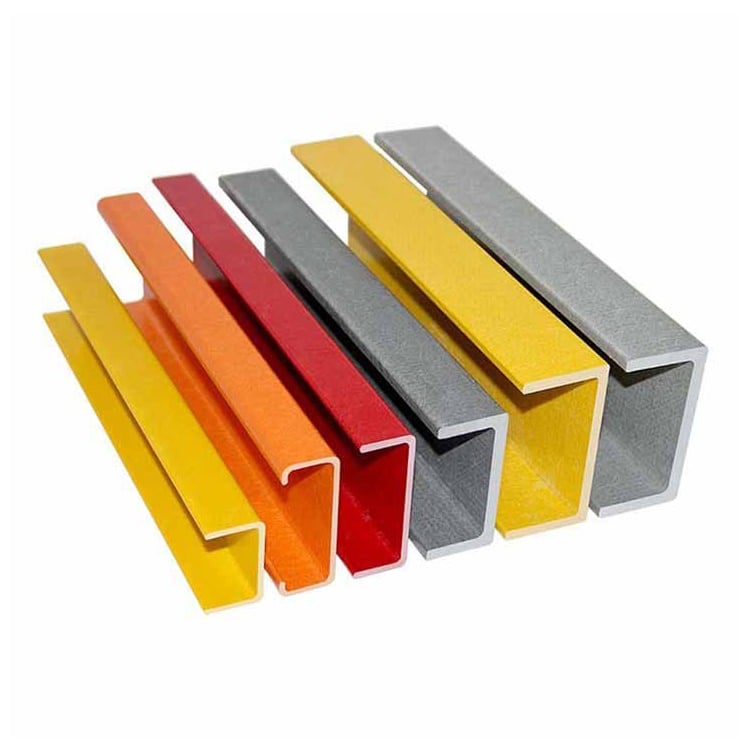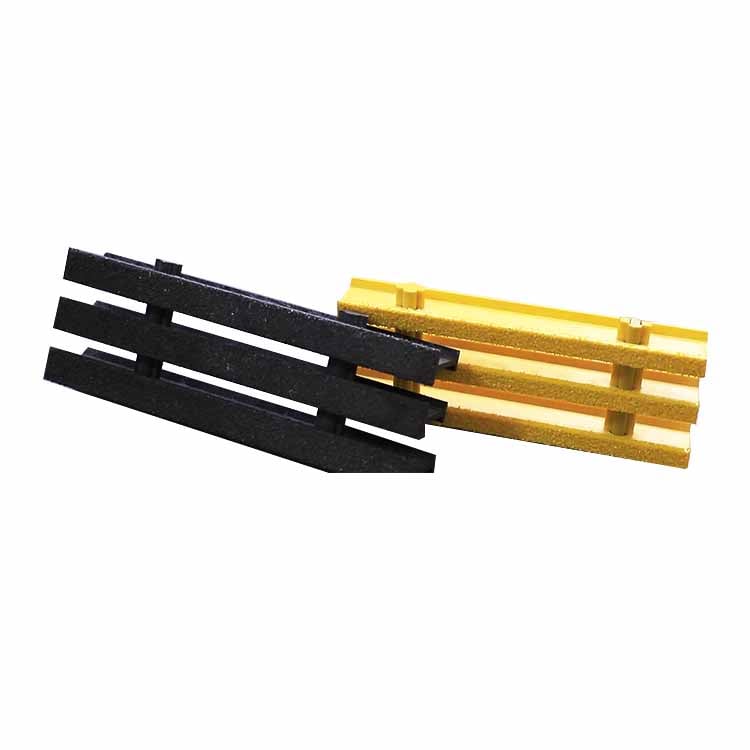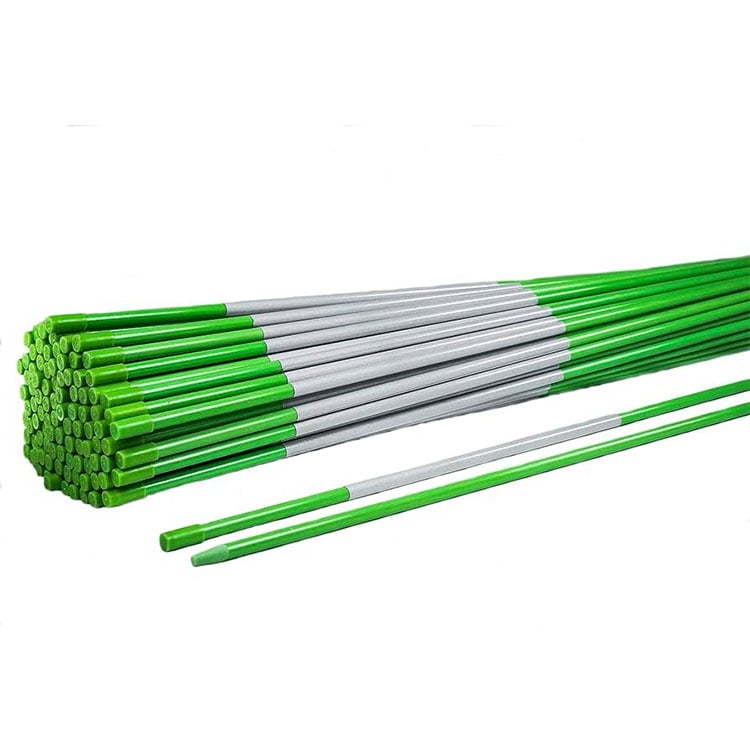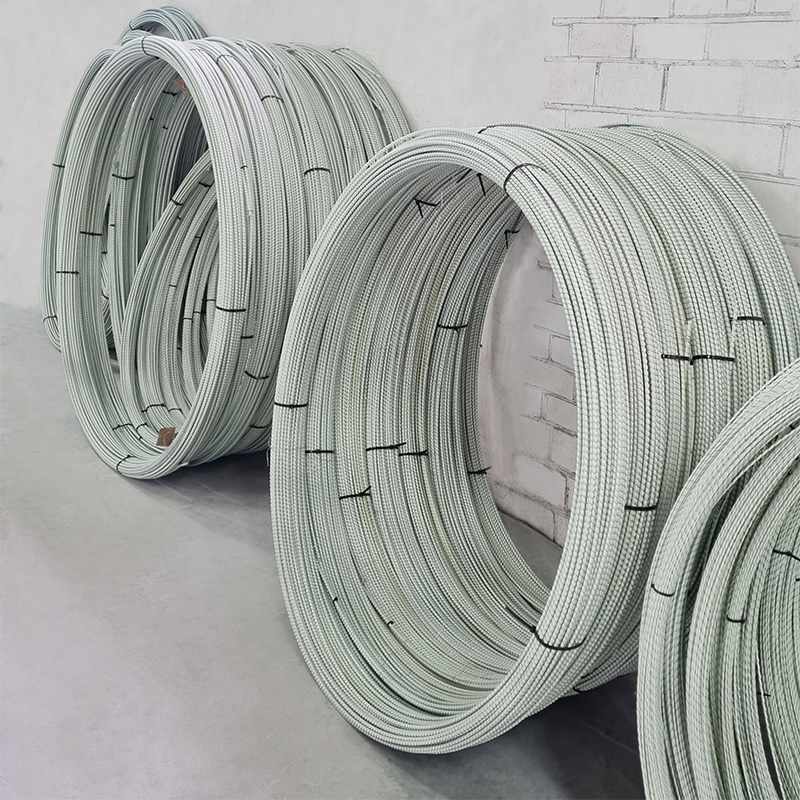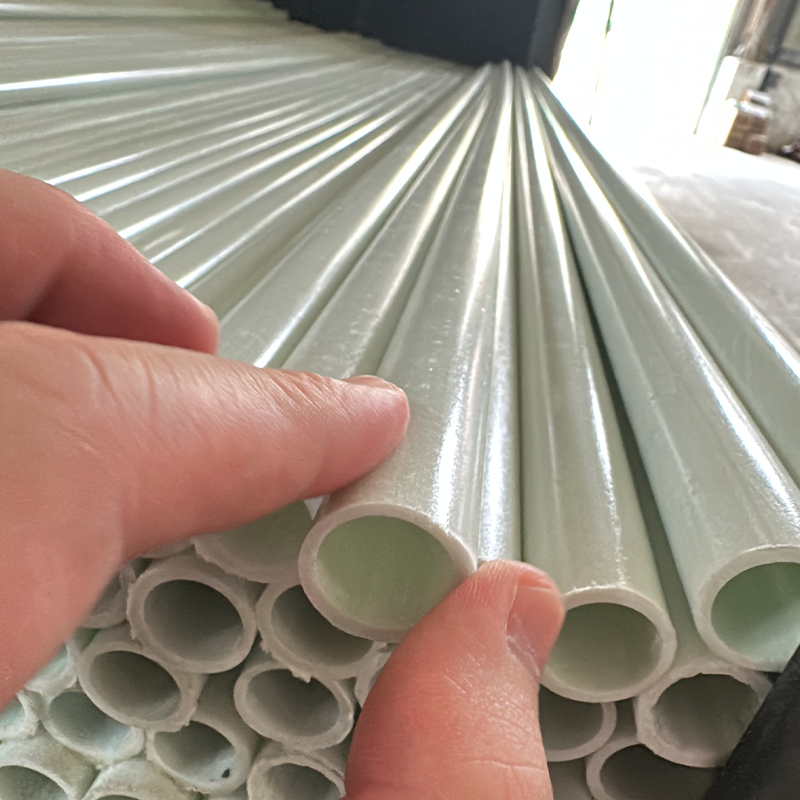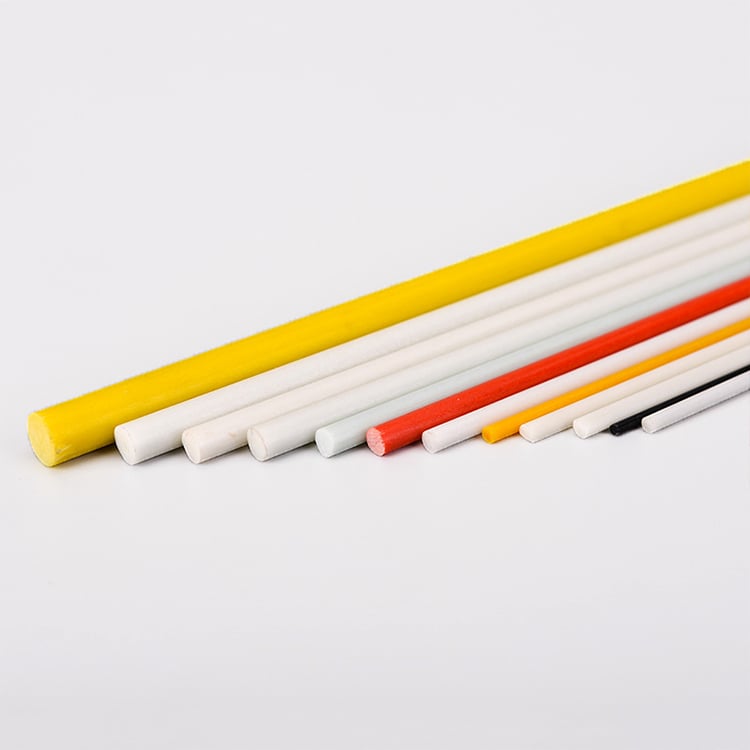
Az üvegszál erősítésű cső egy speciális típusú cső, amelyet számos iparágban lehet használni. Erős műanyag anyagokból és üvegszálakból áll. Ez a keverék további szilárdságot biztosít, és jelentősen könnyebbé teszi a csövet a fémből készült csövekhez képest. A CQDJ minőségre fókuszálva gyártja ezeket a csöveket. Az üvegszál erősítésű csövekkel folyadékokat és gázokat lehet biztonságosan szállítani még kemény körülmények között is. Nem olyan hajlamosak korrózióra, mint a fémek, így hosszú ideig eltarthatók javítás nélkül. Emellett könnyűségüknek köszönhetően a dolgozók könnyebben tudják felállítani őket. Különböző méretű és formájú csövek állnak rendelkezésre, így a CQDJ segíthet a legmegfelelőbb cső megtalálásában számos feladathoz. Üvegszál erősítésű csövek találhatók gyárakban vagy vízrendszerekben, illetve olyan helyeken, ahol vegyi anyagokat szállítanak oda-vissza. Röviden, ezek a csövek segítenek abban, hogy a dolgok megfelelően áramoljanak anélkül, hogy megsérülnének vagy szivárognának.
A üvegszál erősítésű cső számos előnye miatt népszerű az iparban. Először is, rendkívül erős, mégis könnyű. Ennek eredményeképpen nagy nyomást vagy igénybevételt is elvisel törés nélkül, ugyanakkor nem rendelkezik nagy tömeggel. A nehéz fémcsövek mozgatása és javítása nehézkes lehet, különösen nagy méretű gyárakban. A CQDJ üvegszál csövei azonban könnyebben szállíthatók és könnyebben illeszthetők a helyükre. Emellett ezek a csövek nem rozsdásodnak és nem korróziósodnak. A fémek idővel elkezdhetnek lebomlani, ha vízzel vagy vegyi anyagokkal érintkeznek. Az üvegszál csövek nem szenvednek ebből, így sokkal hosszabb élettartamuk van. Ez költségmegtakarítást jelent, mivel a vállalatoknak kevésbé gyakran kell cserélniük a csöveket. További előny, hogy az üvegszál csövek nem vezetik az áramot. Ez biztonságosabbá teheti bizonyos helyeket, ahol az elektromos áramütés veszélye fennáll. Ezek a csövek ellenállnak számos agresszív folyadéknak a vegyiparban, amelyek sokkal gyorsabban károsítják a fémcsöveket. Éppen ezért válik a CQDJ üvegszál csöve olyan kihívásokkal teli környezetekben is jól. Nem igényelnek festést vagy védőbevonatot, mint a fémcsövek, így a karbantartási munka minimálisra csökken. A fémcsövek néha zajosak lehetnek a bennük áramló folyadékok miatt, míg az üvegszál csövek csökkentik a zajt, csendesebb munkakörnyezetet teremtve. Végül, az üvegszál csövek különböző méretekben és konfigurációkban gyárthatók. A CQDJ személyre szabott konfigurációkat kínál speciális igényekhez. Ez a sokoldalúság lehetővé teszi, hogy számos feladatra alkalmazhatók legyenek, akár a jelentéktelen, kicsiny feladatokra is. Így tehát az erősség-súly arány, a kis súly, a korrózióállóság, az elektromosan nem veszélyes és nem vezető tulajdonság, a karbantartásmentes élettartam; a zajcsökkentési jellemzők, valamint a rugalmas tervezés miatt az üvegszál csövek az ipar számára optimális választásnak számítanak.
Az iparban alapvető fontosságú, hogy a csövek erősek és tartósak legyenek hosszú távon. A WaterWell CQDJ üvegszál erősítésű cső éppen erre készült. A csőben lévő üvegszálak olyan szerepet töltenek be, mint a betonban lévő acélbetétek, apró megerősítőként funkcionálnak. Ezek a szálak segítenek a csőnek összetartani, még akkor is, ha hajlítják vagy nyomás hat rá, ellenállva repedéseknek és töréseknek. A szálakat körülvevő műanyag minden elemet rendezetté tesz, és védi a szálakat bármi olyantól, ami károsíthatná azokat. Ez a kombináció adja meg a cső szilárdságát, valamint azt a képességet, hogy nagy terhelést bírjon el anélkül, hogy meghajolna vagy eltörne. A korrózióállóság azt jelenti, hogy a csövet nem bontják le vegyszerek, víz vagy időjárás. A fémből készült csövek rozsdásodhatnak, különösen ha nedvesek vagy savakkal érintkeznek, ami lyukakhoz és szivárgáshoz vezethet. Az üvegszálból készült csövek nem rozsdásodnak, mivel műanyagból és üvegből készülnek – mindkettő másképp reagál a vízzel vagy vegyszerekkel. A CQDJ tulajdonosi gyártási folyamata biztosítja az üvegszál- és műanyagréték közötti szoros kötést, így semmi sem tud behatolni a belső részbe – se víz, se más folyadékok, amelyek kárt okozhatnának. Képzeljen el egy csövet, amely évek óta sóval dúsított vizet szállít. A fém gyorsan meggyengülné, de az üvegszál továbbra is erős maradna. A gyárakban savas környezetnek kitett acélcsövek egy másik példa. A fémből készült csöveket gyakran kell cserélni, míg az üvegszálból készültek sokkal hosszabb ideig tartanak. Ez időt és pénzt takarít meg a vállalkozásoknak. Ezen felül az üvegszál csövek hideg időben sem dagadnak meg vagy repednek, mint más anyagok. Megőrzik alakjukat és szilárdságukat. Az üvegszálból készült cső belső felülete sima, így a folyadékok könnyedén átfolyhatnak, és nem halmozódnak fel keresztirányban a csőben. Emellett megakadályozza azt is. Látható, hogy a rétegelt lemez és az MDF is nagy nyomószilárdságú anyagok. A CQDJ minden egyes csövet tesztel, hogy biztosítsa: magas szintű szilárdsági és korrózióállósági szabványoknak feleljen meg. Ezért bíznak az ügyfelek e csövekben nehéz körülmények között. Az erősség és az antikorróziós anyagok miatt az üvegszál erősítésű cső ideális választás, amely lehetővé teszi, hogy működése zavartalanul és problémamentesen folyhasson éveken át.
Az üvegszál erősítésű cső (FRP) egy különleges fajta cső, amely különösen értékes a vegyiparban és a vízellátásban. Reese szerint az egyik oka annak, hogy ilyen jól alkalmazható ezekre a feladatokra, az, hogy nagyon erős, ugyanakkor könnyű. Az üvegszál csövek nem rozsdásodnak vagy bomlanak el víz, vegyszerek, szennyvíz és talaj hatására. Ez azt jelenti, hogy akkor is hosszú ideig tartanak, ha olyan környezetben használják őket, ahol a bennük lévő folyadékok nagyon erodálóak vagy mindenhez károsak, amivel érintkeznek. Végül is az üvegszálak adják a cső szilárdságát. Ezek a szálak együtt olyan csapatként működnek, amely megakadályozza, hogy a cső rideggé váljon és nyomás hatására eltörjön. Eközben az üvegszál könnyebb, mint a fémből készült cső, így kezelni és telepíteni is könnyebb.
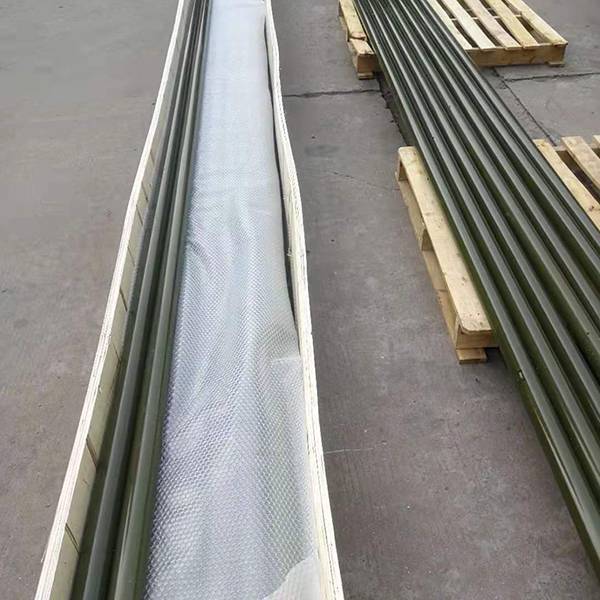
Egy másik fontos ok, amiért a üvegszálerősítésű cső tökéletes mind vegyi anyagok, mind víz szállítására, az az, hogy nem reagál a legtöbb vegyszerrel. Bizonyos típusú csövek, például a fémek, ugyanis korrózióval küzdhetnek vagy elveszíthetik szilárdságukat, amikor vegyszerek áramlanak bennük. Az üvegszálas csövek viszont nem ilyenek, így a víz vagy a vegyszerek tisztán és biztonságosan maradnak. Ez különösen fontos számos iparágban, például gyárakban vagy szennyvíztisztító üzemekben, ahol tiszta vízre és biztonságos vegyszerszállításra van szükség. Emellett az üvegszálas csövek nem engedik, hogy a víz beszivárogjon anyagukba. Ez megakadályozza a szivárgásokat, és hosszú ideig erősek maradnak.

És az egyik ok, amiért a CQDJ-től érdemes vásárolni, az az, hogy támogatást és szervizet nyújtunk a vásárlás után is! Ha például nagyobb mennyiségű csövet vásárol, nehéz lehet az egészet nyomon követni, de a CQDJ és csapata segít ezt leegyszerűsíteni. Tanácsokat adunk a használandó csőtípusról és a megfelelő beszerelési módokról. Eközben gondoskodunk arról, hogy a csövek időben megérkezzenek Önhöz, így projektje folyamatosan haladhat előre. Amikor nagykereskedelmi mennyiségű csövet vásárol a CQDJ-től, akkor tisztességes áron, magas minőségű termékeket és barátságos, ugyanakkor hatékony támogatást kap – mindent, amire a nagyobb, üvegszál erősítésű csöveket igénylő munkákhoz szüksége van.
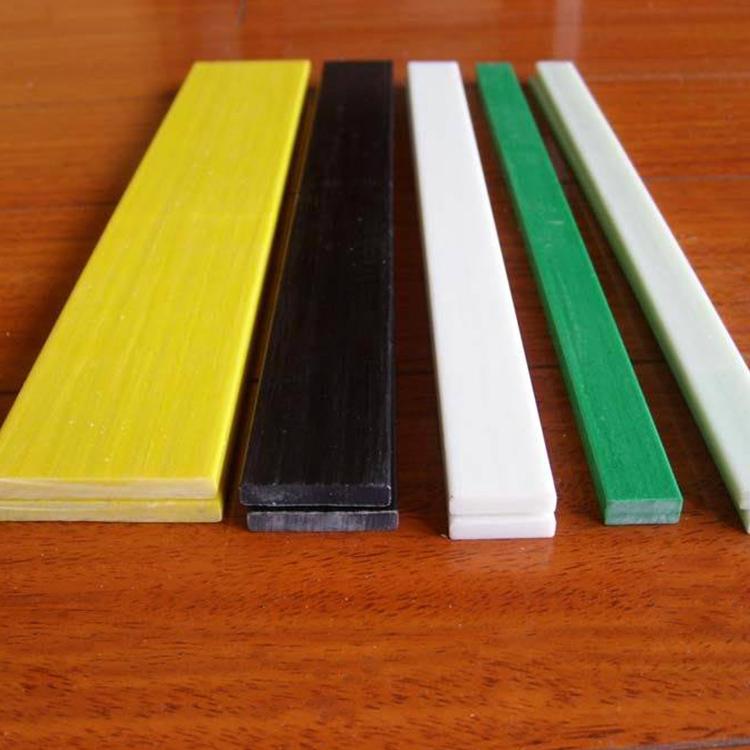
Az üvegszál erősítésű cső rendkívül erős és hasznos, de néha problémák is felléphetnek. Az üvegszál erősítésű csövek, bár rendkívül erősek és hasznosak, sajátos problémákkal is járhatnak. Ezek gyakori problémáinak ismerete és azok megelőzésének módja segíthet abban, hogy hosszú távon jól működjenek a csövek. Az egyik ilyen gyakori probléma a cső szélének sérülése a kezelés és a beszerelés során. Az üvegszál erősítésű csövek könnyebbek a fémből készülteknél, és néha az emberek tévesen úgy gondolják, hogy ezért kevésbé erősek. Ha azonban elejtik vagy erősen ütödik őket, a csövek megrepedhetnek vagy eltörhetnek. Ezért a megfelelő szerszámok és berendezések használata a beszerelésnél segíthet e probléma megelőzésében.
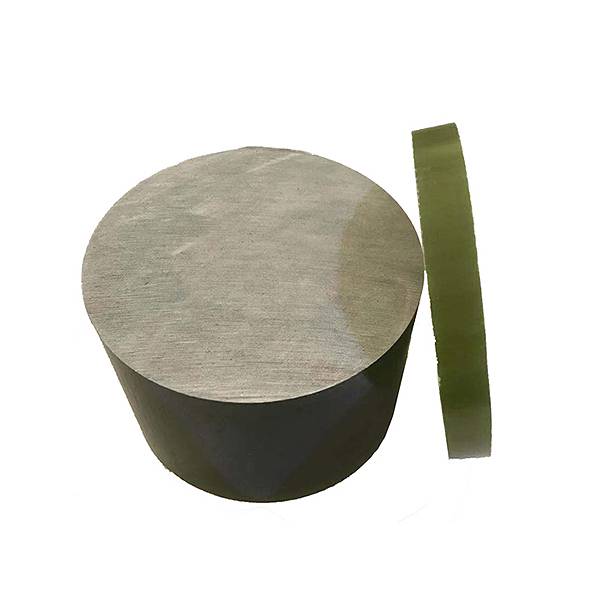
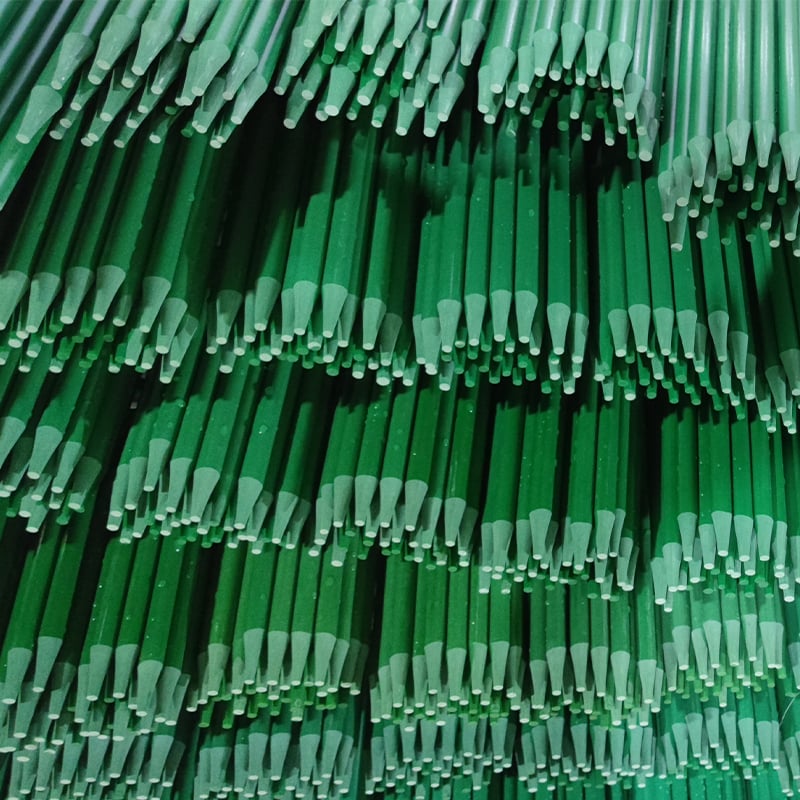
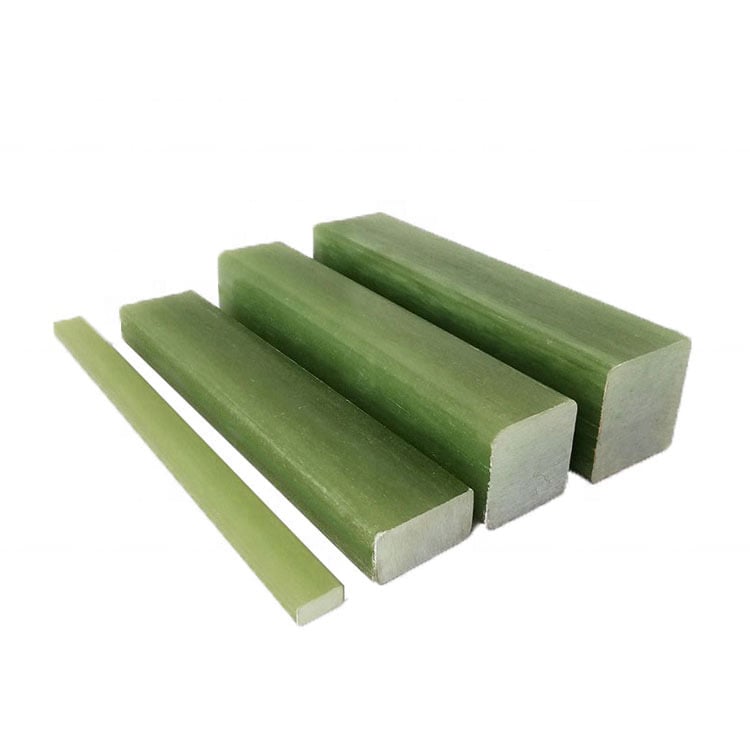
A üvegszálas termékeink közül az egyik üvegszállal megerősített cső értéke a termékek előnyös ár-érték aránya. Bár kiváló teljesítményt nyújtanak, ajánlatunkban szereplő termékek versenyképes áron kaphatók, így kiváló értéket nyújtanak. Ezen felül kínálatunk széles mérettartománya és testreszabható lehetőségei segítségével ügyfeleink megtalálhatják az egyéni igényeikhez legideálisabb megoldást. Akár standard üvegszálas profilra, akár egyedi tervezésű rúdra van szükségük, képesek vagyunk kielégíteni a sokféle igényt. Összességében különféle üvegszálas profilokat gyártunk, például rúdokat, csöveket és egyedi tervezésű elemeket.
Elkötelezettek vagyunk folyamatos fejlesztésünk és kutatásunk iránt, hogy termékeinket javítsuk. Ügyfeleinket rendszeresen bevonjuk a folyamatba, és továbbra is befektetünk a fejlesztésbe, hogy termékeink az iparáguk élére kerüljenek. A poszt-eladási támogatás mellett szakmai szaktudásunk is páratlan, így ügyfeleink bizalommal és nyugodt szívvel bízhatnak üvegszálas termékeink teljesítményében. Profiljainkat főként Délkelet-Ázsiában értékesítjük, az üvegszálas megerősítésű csöveket pedig összesen 60 országban forgalmazzuk.
Cégünk kiemelkedik az üvegszálas megerősítésű csövek gyártása terén minőségünkre és innovációs elköteleződésünkre való hangsúlyozásával. Több mint 40 éves tapasztalattal rendelkezünk üvegszálas rúdok, profilok és csövek gyártásában. Különlegességünket az állandó fejlődésre és az ügyfél-elégedettségre való elköteleződésünk adja, amely megkülönböztet minket versenytársainktól. Kommunikációnkban nagy értéket tulajdonítunk az őszinteségnek és átláthatóságnak, ezért ügyfeleink mindig naprakészen tájékozottak és aktívan részt vesznek a folyamatban.
A szálüvegből készült termékeinkről ismert, hogy kivételesen erősek és tartósak. Emellett sokoldalúan használhatók. Termékeinket a legújabb technológiával és minőségi anyagokkal gyártott üvegszálas megerősítésű csövekből készítjük. Termékeink – legyen szó építési célra használt szálüveg rúdról vagy ipari felhasználásra szolgáló szálüveg csőről – élettartamukra tekintettel készülnek. Ezen felül termékeink könnyűsúlyúak és korrózióállók, így számos alkalmazási területen használhatók.
Copyright © Chongqing Dujiang Composites Co., Ltd. All Rights Reserved
 EN
EN