 EN

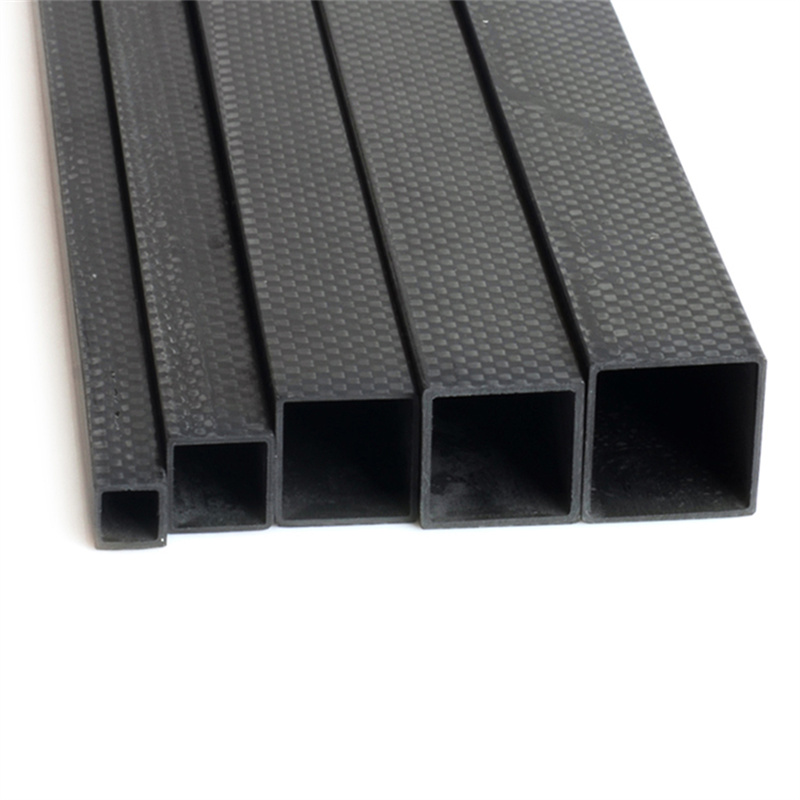
Carbon fiber tubes are increasingly becoming essential components in various industrial applications due to their unique combination of strength, lightweight properties, and resistance to corrosion. For North American industrial distributors, understanding the factors that influence carbon fiber tube price and volume discount rules is vital for making informed purchasing decisions. This article will address critical buyer concerns, including sourcing reliable suppliers, the benefits of carbon fiber tubes, common issues faced by buyers, navigating volume discounts, and considerations for importers in the U.S.
Where to Find Reliable Suppliers of Carbon Fiber Tubes in North America
Finding a reliable supplier for tube carbon fiber involves researching manufacturers that have a proven track record in the industry. Distributors should focus on suppliers that not only offer competitive pricing but also demonstrate quality through certifications and customer reviews. Manufacturers like Chongqing Dujiang Composites Co., Ltd. (CQDJ) are recognized for their expertise in composite materials, providing products that meet the rigorous demands of various applications.
Trade shows and industry conferences are excellent venues for networking and discovering potential suppliers. Additionally, online marketplaces and industry-specific directories can help identify manufacturers that specialize in carbon fiber products. When evaluating suppliers, consider their manufacturing capabilities, quality control processes, and customer support. A supplier's ability to provide customization options is also crucial, as it allows for tailored solutions to meet specific application requirements.
Benefits of Choosing Carbon Fiber Tubes for Industrial Applications
Carbon fiber tubes offer numerous advantages that make them ideal for various industrial applications. One significant benefit is their high strength-to-weight ratio, which allows for lighter structures without compromising load-bearing capacity. This property is particularly advantageous in industries such as aerospace, automotive, and construction, where weight reduction can lead to increased efficiency and reduced operational costs.
Moreover, carbon fiber is resistant to corrosion, making it suitable for use in harsh environments. Unlike traditional materials such as steel or aluminum, carbon fiber tubes do not rust or degrade over time, which enhances their longevity and reduces maintenance costs. Additionally, their excellent fatigue resistance ensures that they maintain performance over extended periods, making them a reliable choice for demanding applications.
Common Problems with Carbon Fiber Tubes and Their Solutions for Buyers
Despite their numerous advantages, woven carbon fiber tube can present specific challenges for buyers. One common issue is the variability in quality across different suppliers, which can lead to inconsistencies in performance. To mitigate this risk, buyers should prioritize suppliers with rigorous quality control processes and certifications that validate their manufacturing standards.
Another challenge is the potential for delamination, where layers of the composite material separate, compromising the structural integrity of the tube. This problem often arises from improper handling or manufacturing defects. Buyers can address this by ensuring proper storage and handling procedures and conducting thorough inspections of samples before mass production.
Lastly, understanding the specific application requirements is crucial. Buyers should confirm load capacities, environmental resistance, and compatibility with other materials before finalizing their orders to ensure optimal performance in their intended use.
Navigating Volume Discounts on Carbon Fiber Tubes for Distributors
Volume discounts can significantly impact the total cost of purchasing carbon fiber tubes, making it essential for distributors to understand how these pricing structures work. Typically, manufacturers offer tiered pricing based on order quantities, encouraging bulk purchases. Distributors should evaluate their purchasing patterns and forecast future needs to take advantage of these discounts effectively.
When negotiating volume discounts, it is beneficial to communicate expected order sizes and explore flexible pricing options. Additionally, establishing a long-term partnership with a supplier can lead to better pricing agreements and priority access to products, which is especially advantageous in industries with fluctuating demand.
Understanding the manufacturer's cost structure can also provide insights into pricing. Factors such as raw material costs, production methods, and lead times all influence the final price. Distributors should engage with suppliers to gain a clear understanding of these factors to make informed purchasing decisions.
Top Considerations for Importers of Carbon Fiber Tubes in the U.S.
For importers of 50mm carbon fiber tube in the U.S., several key considerations must be addressed to ensure compliance and successful transactions. Firstly, it is crucial to be aware of import regulations and tariffs that may apply to composite materials. Engaging with customs brokers or legal advisors can help navigate these complexities.
Quality assurance is another vital consideration. Importers should verify that the products meet U.S. safety and performance standards. Requesting certifications and conducting quality inspections upon receipt are essential steps in this process. Ensuring that the supplier can provide relevant documentation, such as material safety data sheets (MSDS) and test results, can further safeguard against quality issues.
Additionally, communication with suppliers regarding lead times and shipping logistics is critical. Distributors should confirm shipping methods, delivery schedules, and any potential delays that may affect their supply chain. Building a strong relationship with suppliers can facilitate smoother transactions and better responsiveness to changing market conditions.
By addressing these considerations, importers can streamline their processes and establish a reliable supply of carbon fiber tubes for their operations.
Table of Contents
- Where to Find Reliable Suppliers of Carbon Fiber Tubes in North America
- Benefits of Choosing Carbon Fiber Tubes for Industrial Applications
- Common Problems with Carbon Fiber Tubes and Their Solutions for Buyers
- Navigating Volume Discounts on Carbon Fiber Tubes for Distributors
- Top Considerations for Importers of Carbon Fiber Tubes in the U.S.