 EN
EN

10 najboljših palic iz ogljikovega vlakna za prodajo leta 2026: Priročnik za industrijske kupce
Do leta 2026 je industrijski sektor prenehal spraševati, ali naj uporabi kompozite, in začel spraševati, katera določena matrika in profil bosta preživela njihov cikel obratovanja. Ali ste zdaj letalski inženir, upravitelj dronske flote ali strukturni podizvajalec – iskanje palice iz ogljikovega vlakna za prodajo ni več preprost izbor iz kataloga. Gre za inženirsko odločitev, ki vključuje volumenske dele vlaken, kemijo smole in natančnost izdelave.
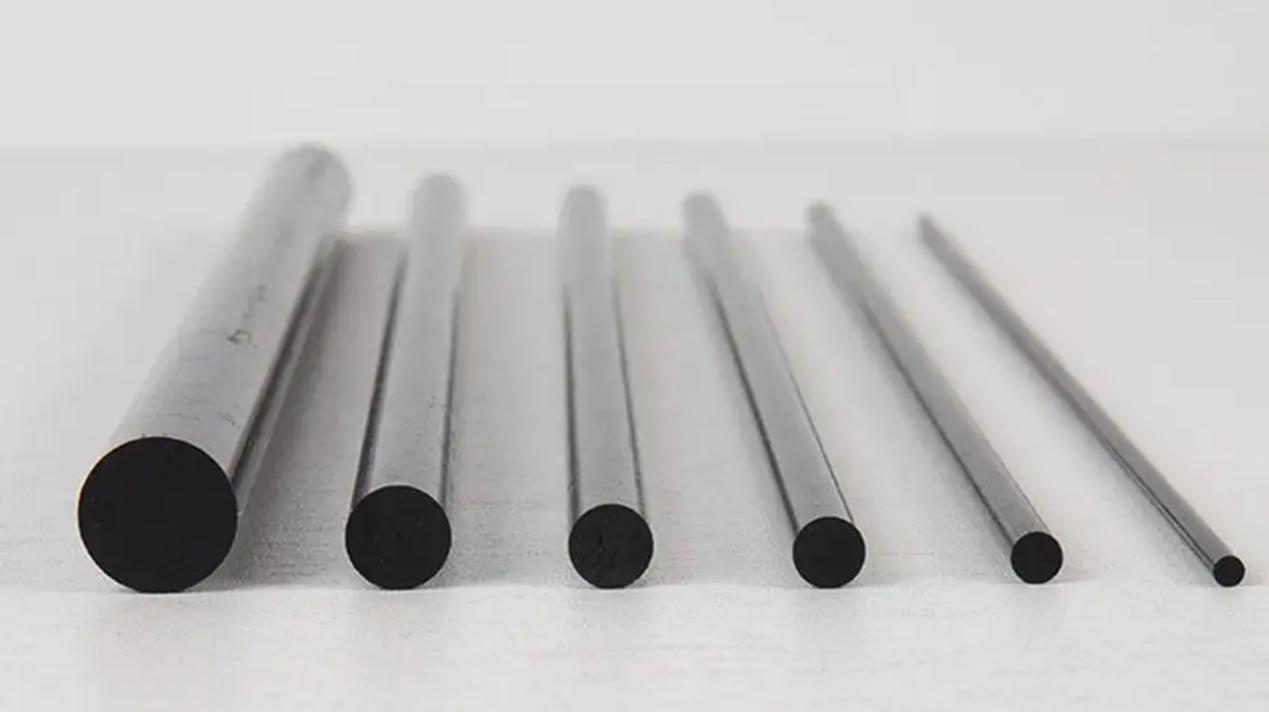
Ogrodja iz CFRP (ogljikovo-vlaknata ojačana polimerna palica) je uradno prešla iz »nišnega materiala« v »industrijsko osnovo« ter nadomestila aluminij in celo visoko kakovostno jeklo v okoljih z visokim številom ciklov. Trg pa je prepoln. Izbira med pultrudirana karbonska vlaknasta palica cFRP palico in alternativno palico, navito iz traku, lahko pomeni razliko med uspešno namestitvijo in katastrofalno strukturno odpovedjo.
Spodaj je pregled desetih najboljših rešitev iz ogljikovih vlaken za industrijsko pokrajino leta 2026.
1. Delovna konja: 3 mm trdna palica iz ogljikovih vlaken
Če obstaja »univerzalna« velikost na področju kompozitov, je to 3 mm palica iz ogljikovih vlaken uporablja se za notranje oprijemne elemente, natančne potiskalne palice in okvire z visoko togostjo.
Zaključek: Za trdni palčki iz ogljikovega vlakna pri tej premeru mora biti poudarek na ravnosti. Leta 2026 najvišje kakovostni dobavitelji dosežejo natančnost ± 0,05 mm. Če vaš dobavitelj tega ne more zagotoviti, kupujete material za hobij.
2. Izbira za zmanjšanje mase: votla palica iz ogljikovega vlakna (6 mm – 10 mm)
Ko je zahtevana togost, masa pa predstavlja oviro, je votlo palico iz ogljikovega vlakna najboljša izbira. Z premikanjem materiala na zunanji premer maksimizirate vztrajnostni moment, hkrati pa zmanjšate maso do 60 %.
Zaključek: Apalica iz ogljikovega vlakna s premerom 10 mm v votli izvedbi je standard za srednje velike brezpilotne letalnike (okvirje kril). Prenese upogibne momente, ki bi povzročili izgubo stabilnosti trdne palice enake mase.
3. Kralj zmogljivosti: iztiskana palica iz ogljikovega vlakna
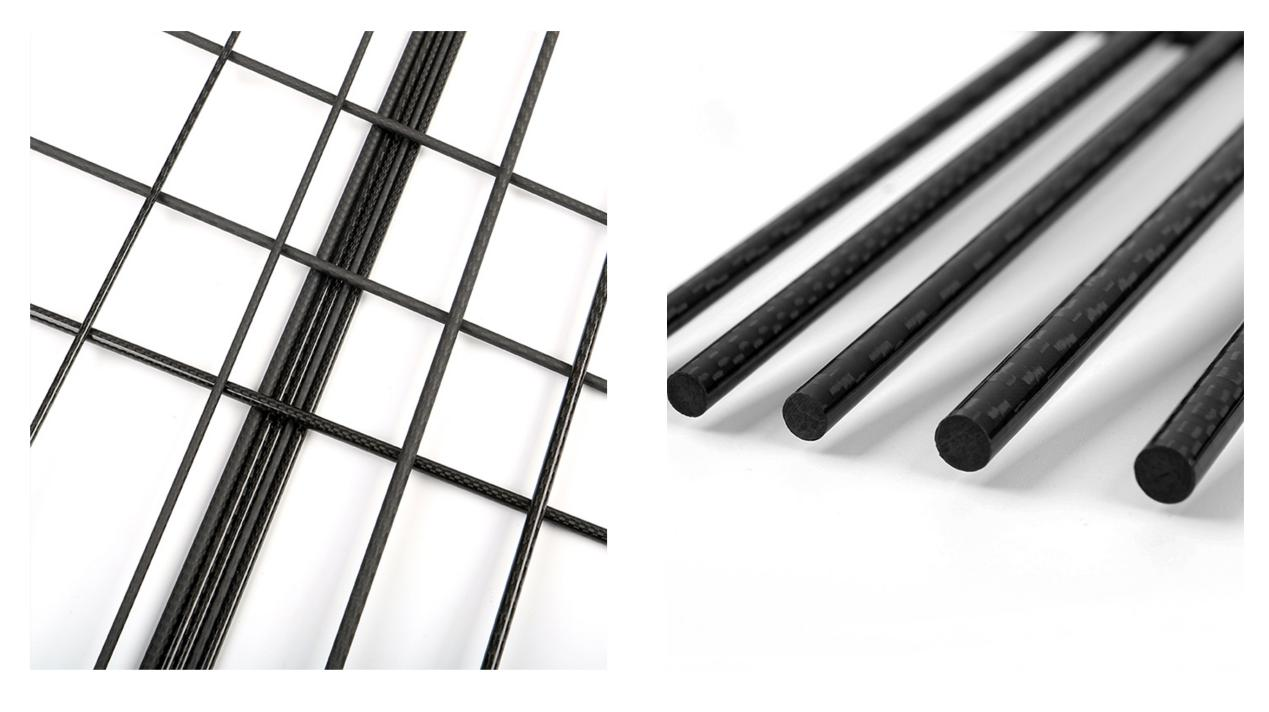
Za čisto osno trdnost ni nič boljšega od iztiskane palice iz ogljikovega vlakna. Z vlečenjem neprekinjenih vlaken skozi kopel s smolo in ogreti kalibrirni orodje dobite palico, pri kateri je vsako posamezno vlakno popolnoma poravnano.
Zaključek: Trg pultrudirano ogljikovo palico je najcenejši način nakupa zmogljivosti z visoko togostjo. Za velike količine ogrodja iz ogljikovih vlaken v gradbeništvu je pultruzija edini postopek, ki je gospodarsko smiseln.
| Značilnost | Pultrudirane palice | Palice, navite z valji | Notranje votle (cevi) |
| Poravnava vlaken | 100 % vzdolžno | Večsmerni (0°/90°) | Večplastna navitja |
| Osna trdnost | Najvišji | Srednji-Visok | Visoka (optimizirano za težo) |
| Odpornost na stiskanje | Nizka (lahko se razcepi) | Visoka | Visoka |
| Natančnost (zunanji premer) | Odlična (brušena) | Dobro | Srednje |
| Najboljša Vrednost | Zbirna industrijska uporaba | Robotika z visokim navorom | Letalsko-kosmična tehnika / brezpilotna letala |
4. Natančni mikro-šteki: specifikacije 1 mm in 1,5 mm
Leta 2026 so mikrorobotika in medicinska instrumentacija povzročile ogromno povpraševanje po 1 mm ogljikovem šteku in 1,5 mm palček iz ogljikovega vlakna možnosti. Pogosto se prodajajo kot paličice iz ogljikovega vlakna , za njih je potrebna posebna obravnava, da se prepreči razcepljanje.
Zaključek: Pri teh premerih ima »togost« občutek visokonapetostne igle. Nujni so za nosilce senzorjev z nizko maso.
5. Geometrija, ki je pomembna: kvadratni in pravokotni palčki
Prenehajte poskušati lepiti okrogle palčke v ravne žlebove. ogleno vlakno kvadratni drog in ogljikovodikov pravokotni palic ponujajo ravne površine za odlično lepljenje in preprečujejo vrtenje v mehanskih ohišjih.
Zaključek: Kvadratni profili so po naravi bolj odporni proti bočnim obremenitvam v robotskih kleščah in okvirjih za CNC stroje.
6. Nadomestek za težke naloge: 20 mm palčki iz CFRP
Zamenjate jekleno armaturo ali težke aluminijaste gredi? ogrodje iz ogljikovega vlakna, premer 20 mm je to, kjer začnete. To so resnično ogljikovo-kompozitne palice zmožna nositi statične obremenitve več ton.
Zaključek: V morskih ali kemijskih okoljih ta ogrodja ne korodirajo, kar jih naredi odlično izbiro za dolgoročen povratek naložbe (ROI) v primerjavi z ocinkanim jeklenim ogrodjem.
7. Revolucija pri povezavah: Ogrodje iz ogljikovega vlakna z navojem
Leto za letom je bilo povezovanje kompozitov težava. Leta 2026 je ogljikovodikov navojni palic zrelo. Zdaj dobite prednosti neprevodljivosti in nemagnetnosti ogrodja iz CFRP skupaj z udobjem sestave z vijaki.
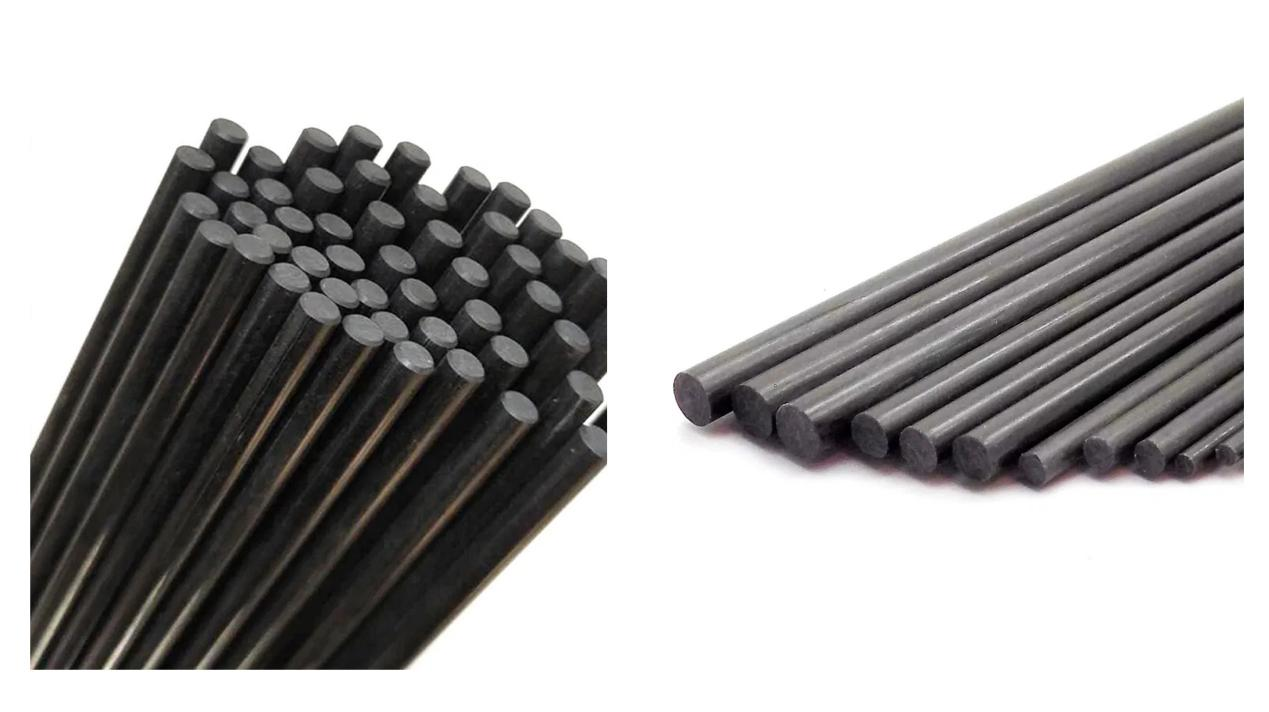
Zaključek: Idealno za gradnjo sob za magnetno resonančno slikanje (MRI) ali zračno-vesoljske sestave, kjer kovinske sponke povzročajo toplotno ali magnetno motnjo.
8. Specialist za napetost: fleksibilni palčki iz ogljikovega vlakna
Inženirstvo ni vedno povezano z togostjo. Flexibilni palčki iz ogljikovega vlakna (običajno v razponu od 2 mm palčka iz ogljikovega vlakna do 5 mm palčka iz ogljikovega vlakna ) omogočajo upogibanje z visokim številom ciklov brez trajne deformacije.
Zaključek: Zelo pogosto se uporabljajo pri palčkih za jadra iz ogljikovega vlakna in fleksibilnih avtomobilskih senzorjih; ti palčki dokazujejo, da je ogljikovo vlakno lahko enako odporno kot jeklena vzmet, vendar le z 20 % njene mase.
9. Imperialni standard: nabava od 1/4" do 1/2"
Če delujete na severnoameriškem trgu ali pa imate opravka s starimi sistemi, 1/4 palčni ogljikov vlakneni drog in 1/2 palčni ogljikov vlakneni drog ostanejo ključni.
| Metrična velikost (mm) | Desetiški inch (in) | Najbližja imperialna ulomkasta vrednost | Priporočena uporaba |
| 1.0 mm | 0.039" | ~3/64" | Mikrobrezpilotna letala / mikrorobotika |
| 3,17 mm | 0.125" | 1/8" | RC letala / splošno oprijemno opremo |
| 6,35 mm | 0.250" | 1/4" | Industrijski senzorji / stativi |
| 8,0 mm | 0.315" | ~5/16" | Mehanske podporne konstrukcije / izdelava opreme za lastno uporabo |
| 12,7 mm | 0.500" | 1/2" | Trdne konstrukcije / pomorske |
| 20,0 mm | 0.787" | ~25/32" | Težka robotika / gradbeništvo |
Zaključek: Kupci pogosto iščejo 1/4 palčni ogljikovo-vlaknati drog ali 1/2 palčni ogljikovo-vlaknati drog za prilagoditev obstoječim ležajnim vložkom. Leta 2026 naj bi vrhunski dobavitelj imel na zalogi celoten razpon, vključno z 1/8, 3/16, 5/16 in 3/8 palčnim ogljikovo-vlaknatim drogom.
10. Srednji most: okrogli profili 8 mm in 12 mm
Trg 8 mm palica iz ogljikovega vlakna in 12 mm palica iz ogljikovega vlakna delujejo kot »most« med hobijem in težkimi industrijskimi aplikacijami. So osnova sodobne robotike in prenosne skenirne opreme.
Zaključek: Te se pogosto uporabljajo kot krožna palica iz ogljikovega vlakna za podporo linearnega gibanja.
Inženirjev kontrolni seznam: Kaj dejansko pomembno je pri nakupu?
| Lastnina | Standardni modul (SM) | Visokomodulski (HM) | Enote |
| Natezna trdnost | 2500–3500 | 2000–3000 | MPa |
| Modul vlečnega deformiranja | 130–150 | 200–350 | GPa |
| Gostiote | 1,5–1,6 | 1,6–1,8 | g/cm³ |
| Vsebnost smole | 35 %–40 % | 30 %–35 % | % |
| Delovna temperatura | -50 do +120 | -50 do +180 (epoksidna smola) | °C |
Kot B2B-nakupovalka oziroma B2B-nakupovalka ne iščete le cenika. Iščete zanesljivost. Pri pregledu palice iz ogljikovega vlakna za prodajo , prezrite bleščeče fotografije in zahtevajte tehnični list:
1. Volumski delež vlaken (Vf)
Jeftina palica je predvsem sestavljena iz smole. Industrijska palica naj ima volumski delež vlaken 60 % ali več. Več vlaken pomeni večje togosti. Točka.
2. Ravnost in toleranca zunanjega premera (OD)
Če vstavljate 2,5 mm palico iz ogljikovih vlaken v natančno cevko, že odstopanje 0,1 mm naredi palico neuporabno. Če je vaša uporaba mehanska, zahtevajte visoko natančno brezosno brušenje.
3. Toplotna stabilnost
Ena najpomembnejših razlogov za izbiro palic iz ogljikovo-kompozitnega materiala je nizki koeficient toplotnega raztezka (CTE). Zagotovite, da je uporabljeni smolni matriks ustrezen za vašo obratovalno temperaturo, zlasti če jih uporabljate kot ojačitvene palice iz ogljikovega vlakna v betonu ali v motorjih z visoko temperaturo.
Pogled na leto 2026: Zakaj CFRP zmaga
Opazujemo masiven premik proti ogleno vlakno kvadratni drog in ogljikovodikov pravokotni palic profili v avtomatizaciji. Konstruktorji so ugotovili, da je "krožna palica" bila omejitev obdelave kovin, ne pa tudi inženirsko zahtevano obliko.
Poleg tega pomeni nastanek "pametnih kompozitov", da nekateri paličice iz ogljikovega vlakna zdaj že vključujejo vgrajene optične vlakna za spremljanje stanja konstrukcije v realnem času. To je nov standard za infrastrukturo – uporaba ogrodja iz ogljikovih vlaken ki lahko računalniku "sporočijo", ko so izpostavljene prevelikemu napetostnemu obremenitvi.
Zaključek: Prenehajte kupovati palice, začnite kupovati rešitve
Tržišče za leto 2026 palice iz ogljikovega vlakna za prodajo gre za natančnost in izbiro materialov glede na specifično uporabo. Če potrebujete 1 palico iz ogljikovega vlakna za težko gred ali 1/8 palico iz ogljikovega vlakna za občutljiv senzor, je kakovost materiala enaka kakovosti proizvodnega procesa, ki stoji za njim.
Ko se sestanete z dobaviteljem, ne govorite le o premeru. Govorite o pultrudirano ogljikovo palico vzdušno obdelanih proti navitim izdelkom, vprašajte za Tg (temperaturo prehoda iz steklastega stanja) smole in zagotovite, da je krožna palica iz ogljikovega vlakna izdelek, ki ga kupujete, zasnovan za obremenitev, ki jo nanj izvajate.
Inženirstvo ni iskanje najcenejšega dela; gre za iskanje takega, ki se ne bo pokvaril.
Iščete zanesljivega partnerja za oskrbo za leto 2026?
Ne zadovoljujte se z izdelki na zalogi in kompromisi. Če potrebujete po meri izdelan ogljikovo vlakno kvadratni palček za robotski prototip ali večje količine ogrodja iz ogljikovih vlaken za projekt infrastrukture na veliko, je naš inženirski tim pripravljen pomagati pri tehničnih specifikacijah, cenah za večje količine in mednarodni logistiki.
[Kontaktirajte danes našo prodajno inženirsko ekipo za prilagojen ponudbeni predračun]