 EN
EN
Tại sao các ngành Công nghiệp Điện và Dịch vụ Công cộng đang chuyển sang sử dụng ống sợi thủy tinh
Bối cảnh năng lượng toàn cầu đang trải qua một sự chuyển đổi lớn. Khi các lưới điện hiện đại hóa và các nguồn năng lượng tái tạo như gió và mặt trời trở thành trung tâm, cơ sở hạ tầng hỗ trợ các hệ thống này đang được đánh giá lại. Truyền thống, thép và nhôm là những vật liệu được ưu tiên sử dụng trong các ứng dụng ngành điện lực. Tuy nhiên, một sự thay đổi đáng kể đang diễn ra: ngày càng nhiều nhà sản xuất ống sợi thủy tinh đang báo cáo nhu cầu kỷ lục từ các lĩnh vực điện lực và tiện ích.
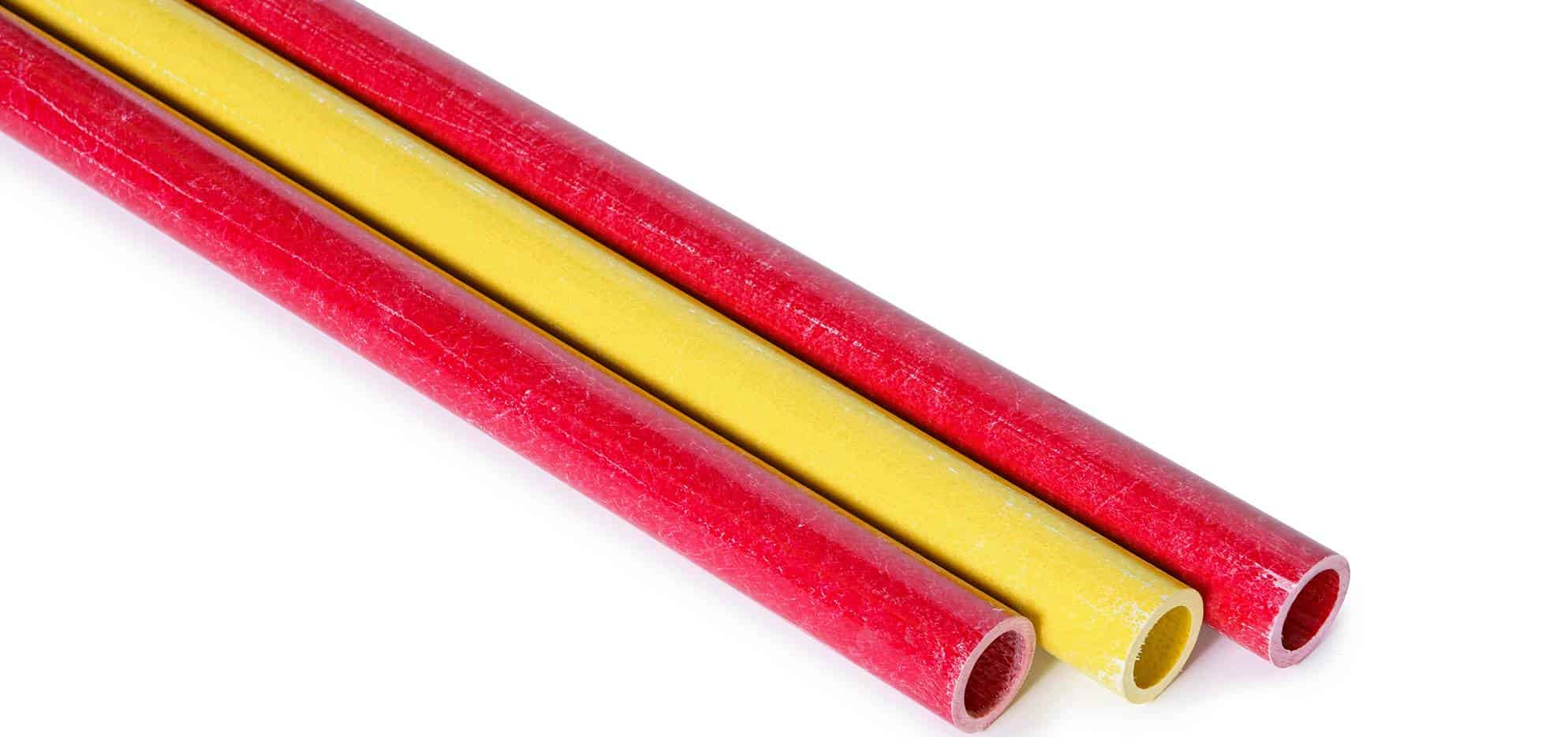
Từ ống sợi thủy tinh 2 inch được sử dụng trong ống dẫn ngầm đến ống kính sợi thủy tinh mỏng cho các linh kiện điện chuyên dụng, việc chuyển sang vật liệu composite không chỉ là một xu hướng — mà còn là một nâng cấp chiến lược nhằm đảm bảo an toàn, độ bền và hiệu quả chi phí.
Ưu việt của khả năng cách điện: An toàn là trên hết
Trong ngành điện lực, tính dẫn điện là kẻ thù của an toàn. Một trong những lý do chính nhà cung cấp ống sợi thủy tinh đang ghi nhận đơn đặt hàng tăng mạnh là đặc tính vốn có không dẫn điện của Nhựa gia cố bằng sợi thủy tinh (GRP).
Khác với các kết cấu kim loại, một ống sợi thủy tinh hoặc ống tròn bằng sợi thủy tinh không dẫn điện. Điều này khiến nó trở thành vật liệu lý tưởng cho:
Các thanh cách điện (hot sticks) và dụng cụ thu phóng.
Các kết cấu đỡ trong trạm biến áp cao thế.
Các hệ thống quản lý cáp.
Cụ thể, ống sợi thủy tinh G10 và ống sợi thủy tinh epoxy các biến thể được đánh giá cao nhờ khả năng cách điện vượt trội, đảm bảo rằng ngay cả dưới tác động của điện áp cực cao, vật liệu vẫn ngăn chặn dòng rò và bảo vệ cả thiết bị lẫn người vận hành.
Chống ăn mòn trong môi trường khắc nghiệt
Cơ sở hạ tầng ngành điện thường phải chịu tác động của các yếu tố môi trường—không khí mặn ven biển, tiếp xúc với hóa chất trong khu công nghiệp và độ ẩm cực cao. Trong khi ống thép bị gỉ và ống nhôm bị ăn mòn điểm (pitting), ống sợi thủy tinh và Grp tubes vẫn gần như miễn nhiễm với suy giảm do tác động môi trường.
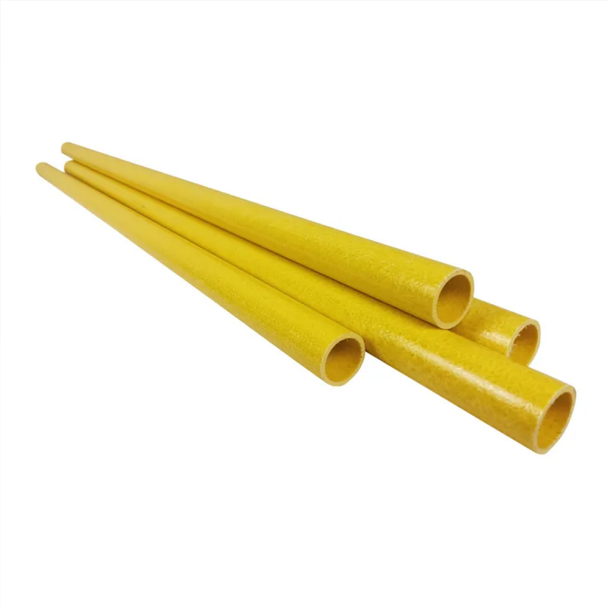
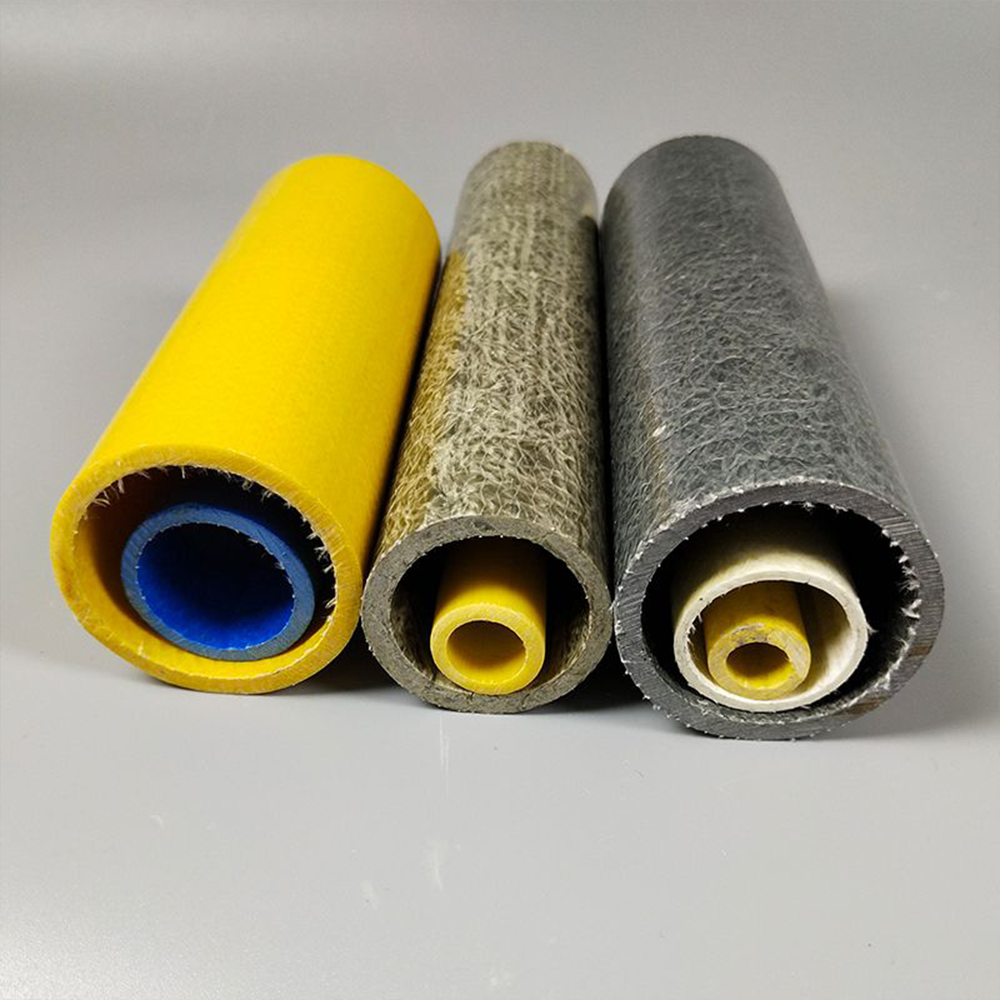
Dù là một ống sợi thủy tinh 4 inch được sử dụng cho các hệ thống làm mát bằng nước hoặc thanh ống vuông sợi thủy tinh được sử dụng để gia cố kết cấu, những vật liệu này không yêu cầu lớp phủ đắt tiền hoặc bảo vệ catốt như kim loại đòi hỏi. Đối với các công ty cung cấp dịch vụ tiện ích, điều này đồng nghĩa với việc giảm đáng kể chi phí bảo trì trong suốt vòng đời.
| Ứng dụng | Hồ sơ đề xuất | Lý do sử dụng |
| Thanh ngang | Ống chữ nhật bằng sợi thủy tinh | Khả năng chịu tải cao và khả năng chống tia UV. |
| Conduit | ống fiberglass 3 inch | Nhẹ, dễ lắp đặt và không có tính từ. |
| Khuôn mẫu | Ống kính sợi thủy tinh mỏng | Tỷ lệ cường độ trên trọng lượng cao nhằm đảm bảo tính thuận tiện khi thao tác. |
| Rào chắn | Ống vuông fiberglass | Rào chắn an toàn không dẫn điện cho trạm biến áp. |
Ưu thế của quy trình ép đùn: Độ bền và độ chính xác
Các thiết kế ống sợi thủy tinh ép kéo công nghệ cho phép tạo ra các hồ sơ có độ bền dọc tuyệt vời. Trong quá trình ép đùn, các sợi thủy tinh liên tục được kéo qua bể nhựa và khuôn gia nhiệt. Quá trình này tạo ra một ống sợi thủy tinh rỗng đó là vật liệu có độ bền trên từng đơn vị khối lượng cao hơn thép nhưng lại nhẹ đáng kể.
Các công ty điện lực ngày càng sử dụng rộng rãi ống và thanh fiberglass vì chúng dễ vận chuyển đến các khu vực xa xôi (như các trang trại gió trên đỉnh núi) mà không cần thiết bị nâng hạ nặng. Một 6 ống thủy tinh (đường kính 6 inch) đủ nhẹ để một đội nhỏ có thể thao tác, trong khi ống thép cùng kích thước sẽ đòi hỏi cần cẩu.
Đa dạng về kích thước và hình dáng
Một kích cỡ không phù hợp với mọi nhu cầu trong lĩnh vực dịch vụ công. Vì vậy, nhà cung cấp ống sợi thủy tinh cung cấp một loạt đa dạng các kích thước.
1. Quy mô nhỏ: ống sợi thủy tinh đường kính 1 inch và 1 ống sợi thủy tinh thường được sử dụng làm bộ chia khoảng cách đồng hồ đo điện dân dụng và cảm biến quy mô nhỏ.
2. Quy mô trung bình: ống sợi thủy tinh đường kính 2 inch, ống sợi thủy tinh đường kính 2 inch và ống sợi thủy tinh đường kính 3 inch là những loại "đầu tàu" của ngành, thường được dùng để bọc cáp và làm giá đỡ kết cấu.
3. Quy mô lớn: Đối với hệ thống thoát nước hoặc thông gió công nghiệp nặng, ống sợi thủy tinh đường kính 4 inch, ống sợi thủy tinh đường kính 5 inch , và lớn hơn ống sợi thủy tinh được sử dụng.
Hơn nữa, hình dạng của ống cũng rất quan trọng. Trong khi ống tròn sợi thủy tinh ống tròn ống vuông fiberglass và ống vuông sợi thủy tinh (viết theo tiếng Anh-Anh) được ưu tiên sử dụng trong khung kiến trúc và tủ nội thất do bề mặt phẳng của chúng, giúp việc bắt bu-lông và nối ghép đơn giản hơn nhiều.
Tính bền vững và lợi tức đầu tư (ROI) dài hạn
Năm 2026, tính bền vững là một chỉ số hiệu suất cốt lõi (KPI) đối với các nhà cung cấp dịch vụ công. ống sợi thủy tinh các sản phẩm này tiêu tốn ít năng lượng hơn so với quá trình luyện thép hoặc nhôm. Hơn nữa, do chúng có tuổi thọ trên 50 năm mà không cần thay thế, nên lượng "carbon hàm chứa" trong suốt vòng đời của một dự án thấp đáng kể.
Khi tìm kiếm các ống sợi thủy tinh để bán , các cán bộ mua sắm đang xem xét vượt ra ngoài giá mua ban đầu. Họ đang tính toán Tổng chi phí sở hữu (TCO). Giữa việc giảm chi phí vận chuyển (do trọng lượng nhẹ) và yêu cầu bảo trì bằng không, tỷ suất hoàn vốn (ROI) đối với ống sợi thủy tinh vượt trội xa so với các vật liệu truyền thống.
Chọn Đối tác Phù Hợp
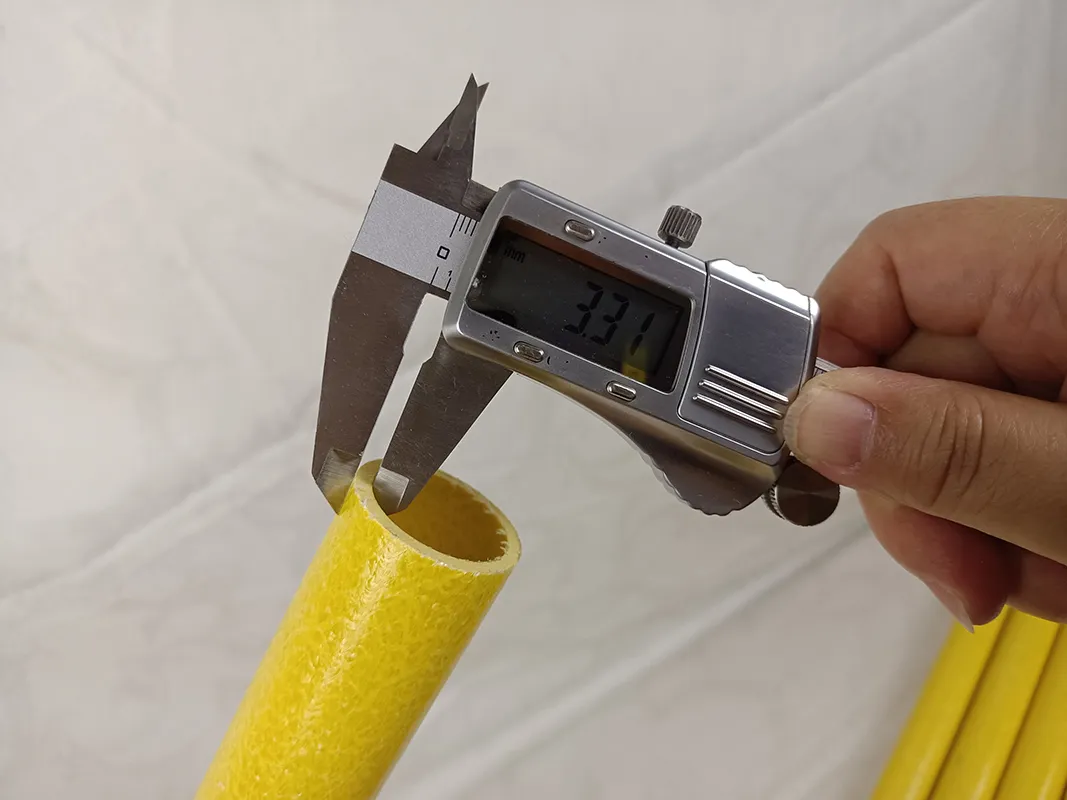
Sự gia tăng nhu cầu đã dẫn đến làn sóng tăng mạnh về nhà cung cấp ống vuông sợi thủy tinh . Tuy nhiên, đối với ngành công nghiệp điện, đảm bảo chất lượng là điều bắt buộc. Việc lựa chọn nhà cung cấp từ nhà sản xuất ống sợi thủy tinh những đơn vị tuân thủ nghiêm ngặt các tiêu chuẩn quốc tế về chất lượng nhựa nhiệt rắn và mật độ sợi.
Dù bạn cần ống sợi thủy tinh rỗng cho một ứng dụng cơ học cụ thể hoặc ống chữ nhật bằng sợi thủy tinh cho một dự án hạ tầng quy mô lớn, việc giám sát chặt chẽ quy trình ép đùn liên tục (pultrusion) nhằm đảm bảo tính nhất quán là yếu tố then chốt để tránh nguy cơ thất bại kết cấu tại hiện trường.
Kết luận
Việc chuyển đổi sang ống sợi thủy tinh trong ngành công nghiệp điện và dịch vụ công là một bước tiến hóa hợp lý. Khi chúng ta yêu cầu nhiều hơn từ mạng lưới điện của mình—độ tin cậy cao hơn, an toàn tốt hơn và hiệu suất cao hơn—các vật liệu mà chúng ta sử dụng cũng phải theo kịp. Từ những thành phần nhỏ nhất ống sợi thủy tinh 1 inch đến những thành phần bền bỉ nhất ống fiberglass 2 inch , vật liệu composite đang chứng minh rằng tương lai của ngành điện được xây dựng trên sợi thủy tinh.
Bạn đang tìm kiếm giải pháp nâng cấp cơ sở hạ tầng bằng các vật liệu composite hiệu suất cao?
Chúng tôi cung cấp một loạt các lựa chọn ống và thanh fiberglass , bao gồm ống sợi thủy tinh ép kéo và ống sợi thủy tinh Epoxy được thiết kế riêng cho lĩnh vực dịch vụ công.
Bạn có muốn tôi cung cấp bảng thông số kỹ thuật chi tiết cho các đường kính ống khác nhau của chúng tôi, hay bạn muốn tôi lập báo giá tùy chỉnh dựa trên kích thước dự án cụ thể của bạn?