
Fiberglass tubes are essential components in various industrial and construction applications, renowned for their impressive strength-to-weight ratio and corrosion resistance. As a purchasing manager or engineer, understanding the key features, specifications, and sourcing considerations for fiberglass tubes is critical. This article will guide you through the essential aspects of fiberglass tubes, addressing buyer concerns and providing insights to facilitate informed purchasing decisions.
When sourcing fiberglass tubes, it's essential to prioritize quality to ensure they meet the specific requirements of your application. Start by evaluating the manufacturing processes employed by potential suppliers. Advanced methods such as pultrusion and filament winding, which are utilized by reputable manufacturers like Chongqing Dujiang Composites Co., Ltd. (CQDJ), significantly enhance the durability and strength of fiberglass products. For instance, manufacturers that offer Fiberglass Tube often implement these advanced techniques to produce high-quality materials.
Additionally, consider the material composition. High-quality fiberglass tubes are often made with a mix of glass fibers and resin, which contribute to their mechanical properties. Requesting samples can help verify that the tubes meet your durability and performance standards. Don't overlook certifications and quality assurance processes, as these are indicators of the manufacturer's commitment to producing reliable products.
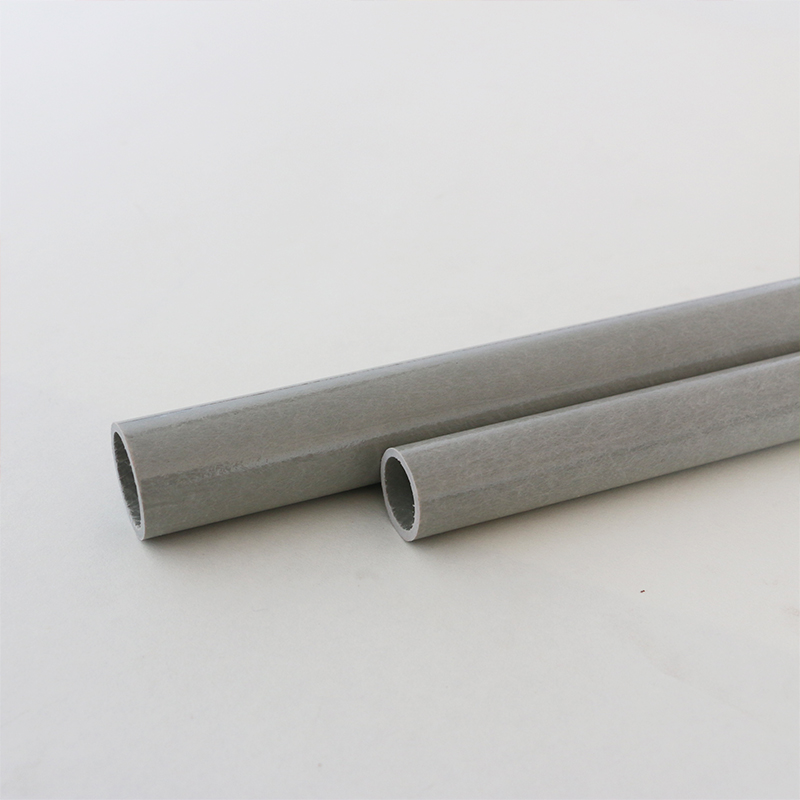
When comparing fiberglass tubes, several key specifications should be taken into account:
Material Composition: The type of glass fibers and resin used can impact the tube's strength, flexibility, and thermal resistance. For example, E-glass offers good electrical insulation properties, while S-glass provides enhanced strength.
Diameter and Wall Thickness: These dimensions directly affect the tube's load-bearing capacity and compatibility with existing systems. Ensure that the selected dimensions align with your application requirements.
Length: Standard lengths may vary, and custom lengths can often be requested. It's crucial to confirm your project's needs regarding tube length.
Load Capacity: Depending on the application, the ability of a fiberglass tube to withstand specific loads (both axial and radial) is vital. Buyers should evaluate the load ratings provided by manufacturers.
Chemical Resistance: Fiberglass tubes are often exposed to various chemicals. Understanding the chemical compatibility of the resin used in the tubes is essential for ensuring long-term performance.
By thoroughly assessing these specifications, you can make informed comparisons that align with your project needs.
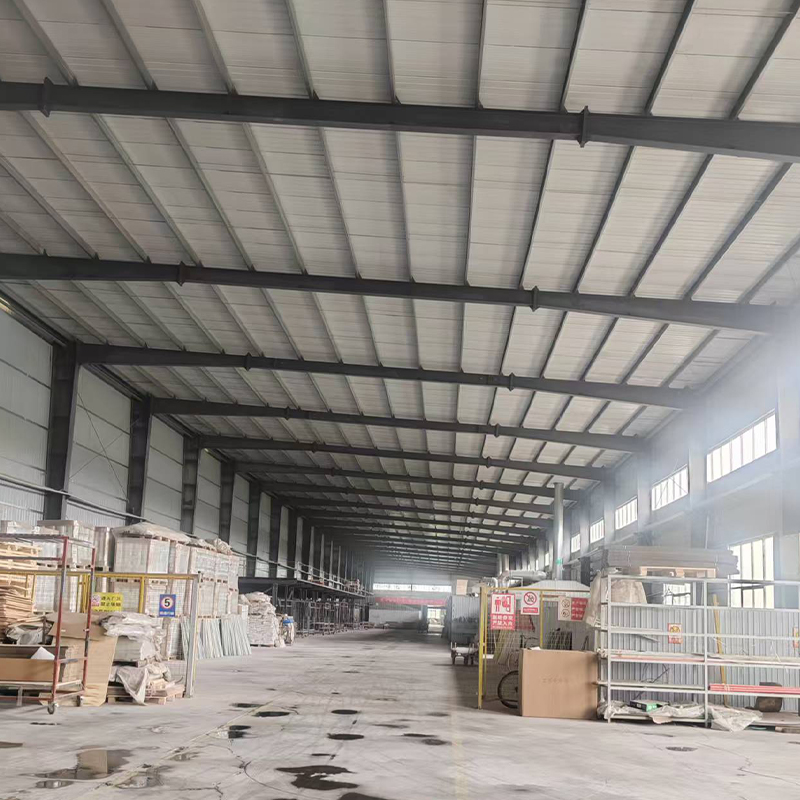
The cost of fiberglass tubes can vary significantly based on several factors. Recognizing these can help you budget effectively and make cost-effective decisions:
Material Quality: Higher-grade materials often come with a higher price tag due to enhanced performance characteristics. Investing in quality materials can save costs in maintenance or replacement in the long run.
Manufacturing Process: The complexity of the manufacturing process, such as pultrusion or filament winding, can influence costs. More sophisticated processes may offer better performance but could also increase the final price.
Customization: Custom dimensions, colors, or additional features can lead to additional costs. Be clear about your requirements when requesting quotes to avoid unexpected charges. For example, if you're looking for specific features in GRP Grating, communicating these needs upfront can help.
Order Quantity: Many manufacturers offer tiered pricing based on order volume. Understanding the Minimum Order Quantity (MOQ) can help you plan your purchases strategically.
Shipping and Handling: As fiberglass tubes can be bulky, shipping costs should be factored into your overall budget. Discussing packaging options with your supplier can also help minimize shipping expenses.
By considering these factors, you can better understand pricing structures and negotiate more effectively with suppliers.
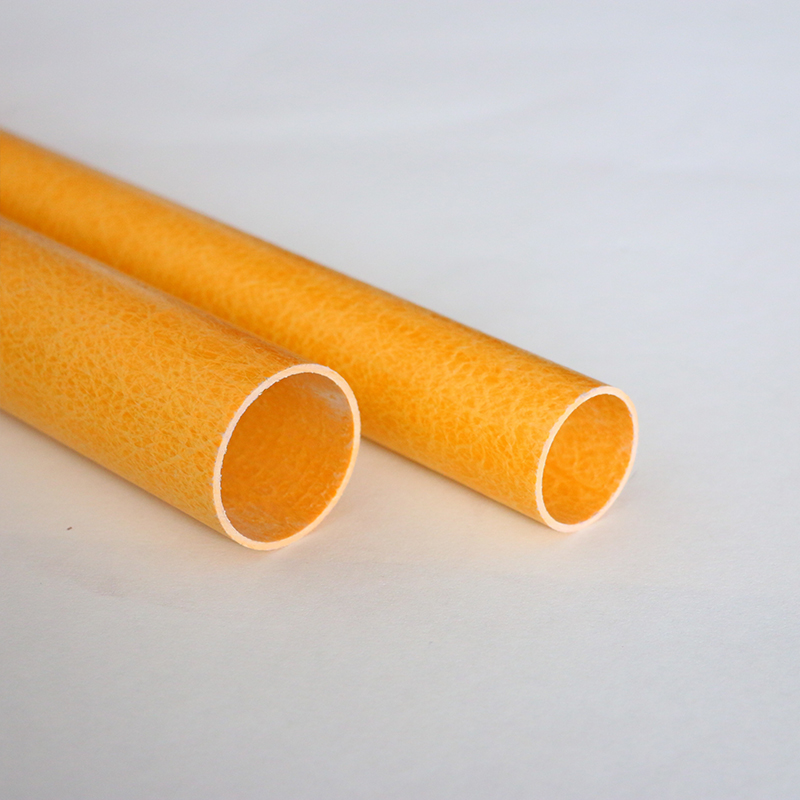
Finding trustworthy suppliers for fiberglass tubes is critical for ensuring consistent quality and reliability. Start by reviewing industry-specific directories and trade associations, which can provide lists of reputable manufacturers. Additionally, trade shows and expos are excellent venues for meeting suppliers, evaluating their products firsthand, and discussing your specific needs.
Networking within industry circles can also yield valuable recommendations. Speaking with peers or colleagues who have experience with fiberglass tube suppliers can help you identify reliable sources. When vetting suppliers, consider their production capabilities, quality control processes, and customer service. Requesting references or case studies can provide insights into the supplier’s reliability and performance.
Finally, ensure that the supplier adheres to relevant industry standards and certifications. This information can typically be found on their company website or through direct communication.
Our fiberglass products are renowned to be extremely sturdy and durable They are also versatile We employ advanced manufacturing techniques and high-quality materials to ensure that our products comply with the highest standards Whether it's a fiberglass rod to construct or a tube of fiberglass for industrial applications Our products are made to withstand the most demanding conditions Additionally our products are lightweight and corrosion-resistant making them ideal for a Fibreglass extension pole range of applications
1 2 fiberglass rod fiberglass products are famous for their value. Even with their exceptional performance, our products are cost-effective, and provide great value for your money. Our large selection of sizes and customization options enable our customers to find the ideal solution to their needs. No matter if you need a standard fiberglass profile or a custom-designed rebar, we have the capability to meet the diverse demands. In total, we are able to fabricate a broad range of fiberglass profiles, such as channels, angles tubes, rods, and other custom shapes.
Our Fiberglass sticks to quality and innovation is what sets us apart from other companies in the market. We have over 40 years' experience in producing fiberglass rods, fiberglass profiles and tubes. Our commitment to customer satisfaction as well as continuous improvement makes us stand out from our competitors. Transparency and transparency are important to us. We want our clients to be informed and actively engaged.
In addition to our excellent products, we're also committed to continuing development and research to improve our products. Our customers are regularly consulted and we continue to invest in improvement to keep our products top of the line in their respective industries. Our technical support and after-sales assistance are second to none providing our customers with peace of peace of. Our profiles are sold to Southeast Asia and the Middle East, which total 60 3 8 fiberglass rod.
Fiberglass tubes are versatile and find applications across various sectors, including construction, manufacturing, and infrastructure. Here are some common uses:
Construction: In the construction industry, fiberglass tubes are often utilized for structural components, scaffolding, and as conduits for electrical and plumbing systems. Their lightweight nature reduces labor costs and installation time.
Industrial Applications: Many industrial settings use fiberglass tubes for chemical processing and storage due to their corrosion resistance. They are also employed in manufacturing processes where weight savings and durability are crucial.
Telecommunications: Fiberglass tubes are used in telecommunications for cable management and support structures. Their insulating properties make them ideal for protecting sensitive wiring.
Transportation: In the transportation sector, fiberglass tubes are utilized in the production of lightweight components for vehicles, helping improve fuel efficiency.
Marine Applications: Due to their resistance to moisture and chemicals, fiberglass tubes are favored in marine applications, such as for boat masts and other structural components.
By understanding the broad applications of fiberglass tubes, buyers can see the potential benefits and uses within their specific industries, allowing for more strategic purchasing decisions.
In summary, being well-informed about the specifications, sourcing strategies, cost factors, and applications of fiberglass tubes will empower you to make better purchasing decisions. Engaging with experienced manufacturers like Chongqing Dujiang Composites Co., Ltd. can further enhance your understanding and ensure you receive high-quality products tailored to your needs.
Copyright © Chongqing Dujiang Composites Co., Ltd. All Rights Reserved
 EN
EN