
Fiberglass tubes are versatile, lightweight, and strong components used across various industries, particularly in construction and infrastructure. As a purchasing manager or engineer, understanding the specific requirements and qualities of fiberglass tubes can significantly impact project success. This article aims to provide practical insights into selecting the right fiberglass tubes, sourcing reliable suppliers, evaluating costs, exploring applications, and addressing common installation challenges. For instance, fiberglass tubes are often made from materials such as Fiberglass Tube, which are crucial for various applications.
Selecting the appropriate fiberglass tubes for your projects involves several critical considerations. Start by identifying the required specifications based on the intended application. Key factors include:
Material Composition: Fiberglass tubes can be made from a variety of resin systems, such as epoxy or polyester. The choice of resin affects durability, temperature resistance, and chemical compatibility. For example, epoxy resins offer superior strength and chemical resistance, making them suitable for harsh environments.
Dimensions and Tolerances: Determine the required diameter, wall thickness, and length. These dimensions will influence the tube's load-bearing capacity and suitability for specific applications. It's crucial to ensure that dimensions align with your project's structural requirements.
Mechanical Properties: Evaluate tensile strength, flexural strength, and impact resistance. These properties will determine how well the fiberglass tubes can withstand operational stresses. Verify that the tubes meet or exceed the necessary performance standards for your application.
Customization Options: If standard sizes and configurations do not meet your requirements, consider suppliers that offer custom profiles. Customization can help ensure a perfect fit in your application and may enhance overall performance. For example, some suppliers provide GRP Grating options that can be customized for specific uses.
Quality Assurance: Look for manufacturers who implement rigorous quality control processes. Certifications and testing results can provide assurance regarding product reliability and compliance with industry standards.
By considering these factors, you can make informed decisions that contribute to the success of your projects.
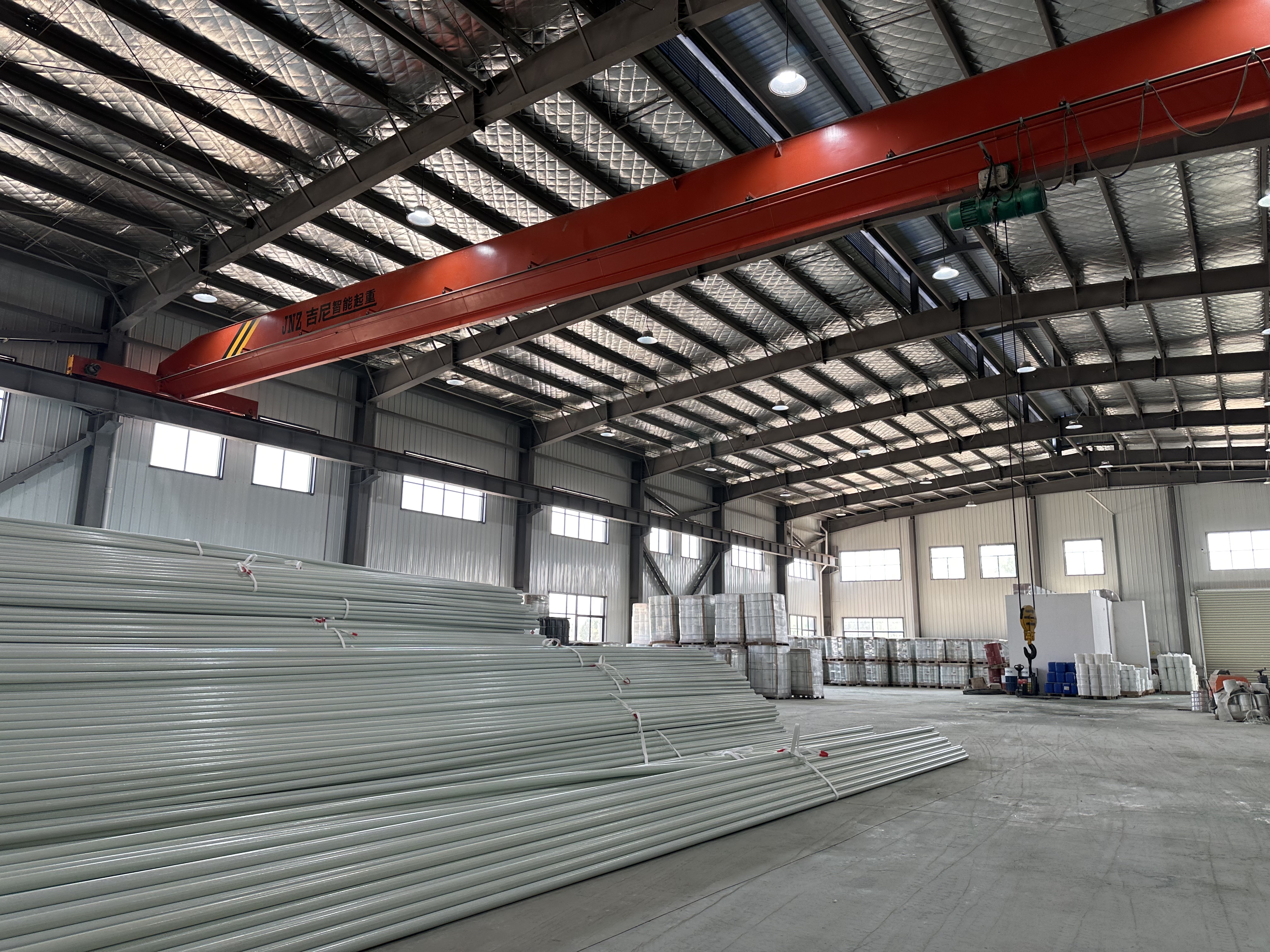
Finding a reliable supplier for fiberglass tubes is essential to ensure product quality and timely delivery. Here are some strategies to consider:
Industry Research: Start with a thorough market analysis. Look for manufacturers with a proven track record in fiberglass production, especially those specializing in pultrusion and filament winding techniques, like Chongqing Dujiang Composites Co., Ltd. Investigate their reputation, client portfolio, and market presence.
Supplier Certifications: Verify that potential suppliers hold relevant certifications, which can indicate adherence to quality standards. Common certifications include ISO 9001 for quality management systems, which reflects a commitment to consistent quality and customer satisfaction.
Customer Reviews and Testimonials: Seek feedback from previous clients. Reviews can provide insights into the supplier’s reliability, product quality, and customer service. Engage with industry forums or professional networks to gather opinions about different suppliers.
Request Samples: Before committing to a bulk order, request samples to evaluate the quality and suitability of the fiberglass tubes for your specific application. This step can help you assess the supplier’s manufacturing capabilities and product consistency.
Evaluate Lead Times and MOQs: Discuss lead times and minimum order quantities (MOQs) upfront. Understanding these parameters can help you plan your project timelines and budget accordingly.
By following these steps, you can identify trustworthy suppliers that align with your project's requirements.
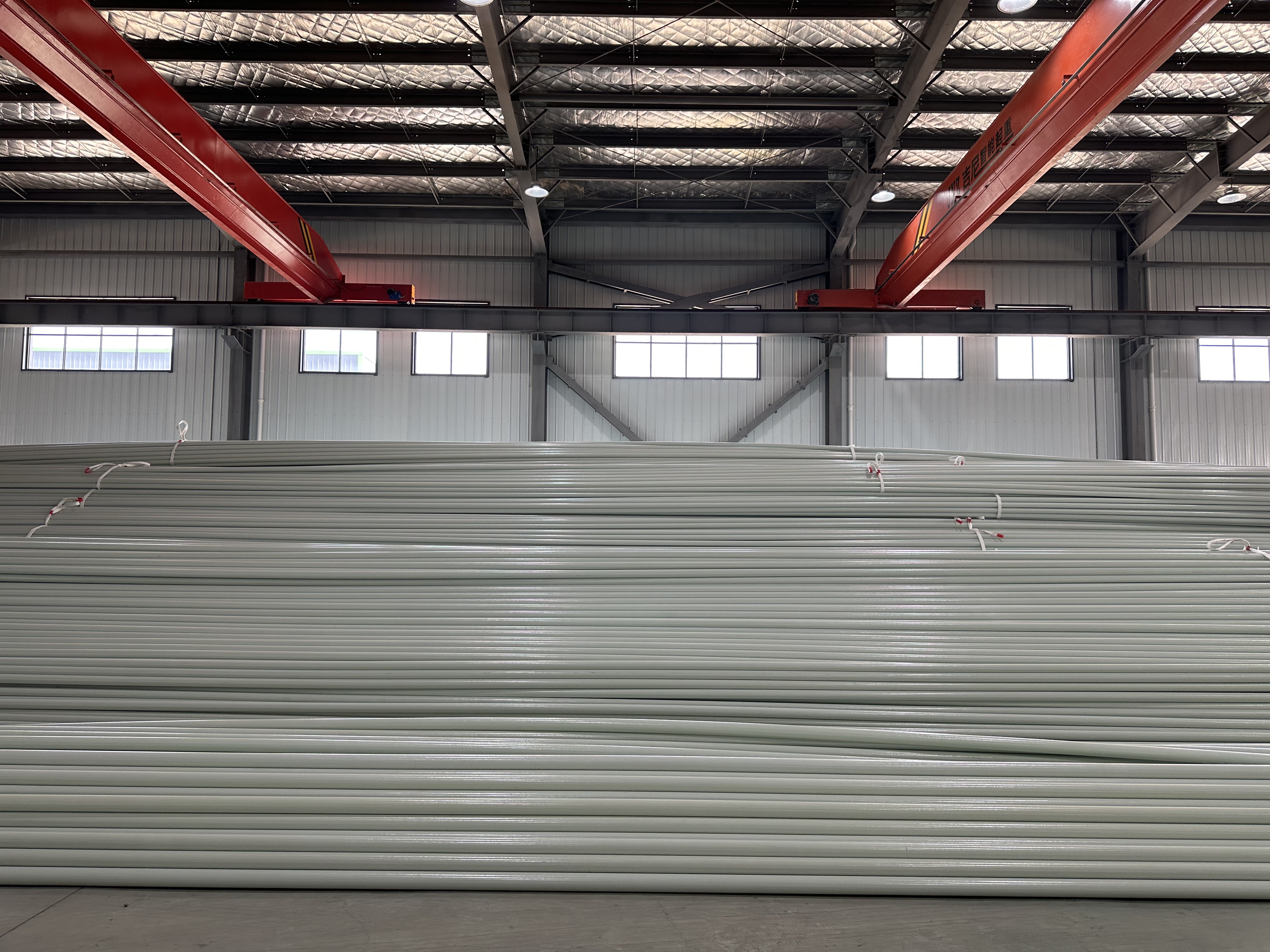
The cost of fiberglass tubes can vary significantly based on several factors. Understanding these can help you make budget-conscious decisions:
Material Costs: The type of resin and fiberglass used directly impacts the price. Specialty resins, like those offering enhanced chemical resistance or higher thermal stability, may come at a premium.
Production Techniques: The manufacturing method affects both quality and cost. Pultrusion typically offers cost efficiency for high-volume production, while filament winding may be more suitable for specific applications requiring enhanced performance.
Customization Requirements: Custom profiles or unique specifications often lead to higher costs. Be prepared to justify customization by outlining the specific performance benefits it brings to your application.
Volume Discounts: Ordering in larger quantities may lead to cost reductions. Discuss potential discounts with suppliers based on your projected usage.
Shipping and Handling: Consider additional costs associated with shipping and packaging. Fiberglass tubes may require special handling to prevent damage during transit, which can also affect overall costs.
By being aware of these factors, you can better navigate pricing discussions and make more informed purchasing decisions.
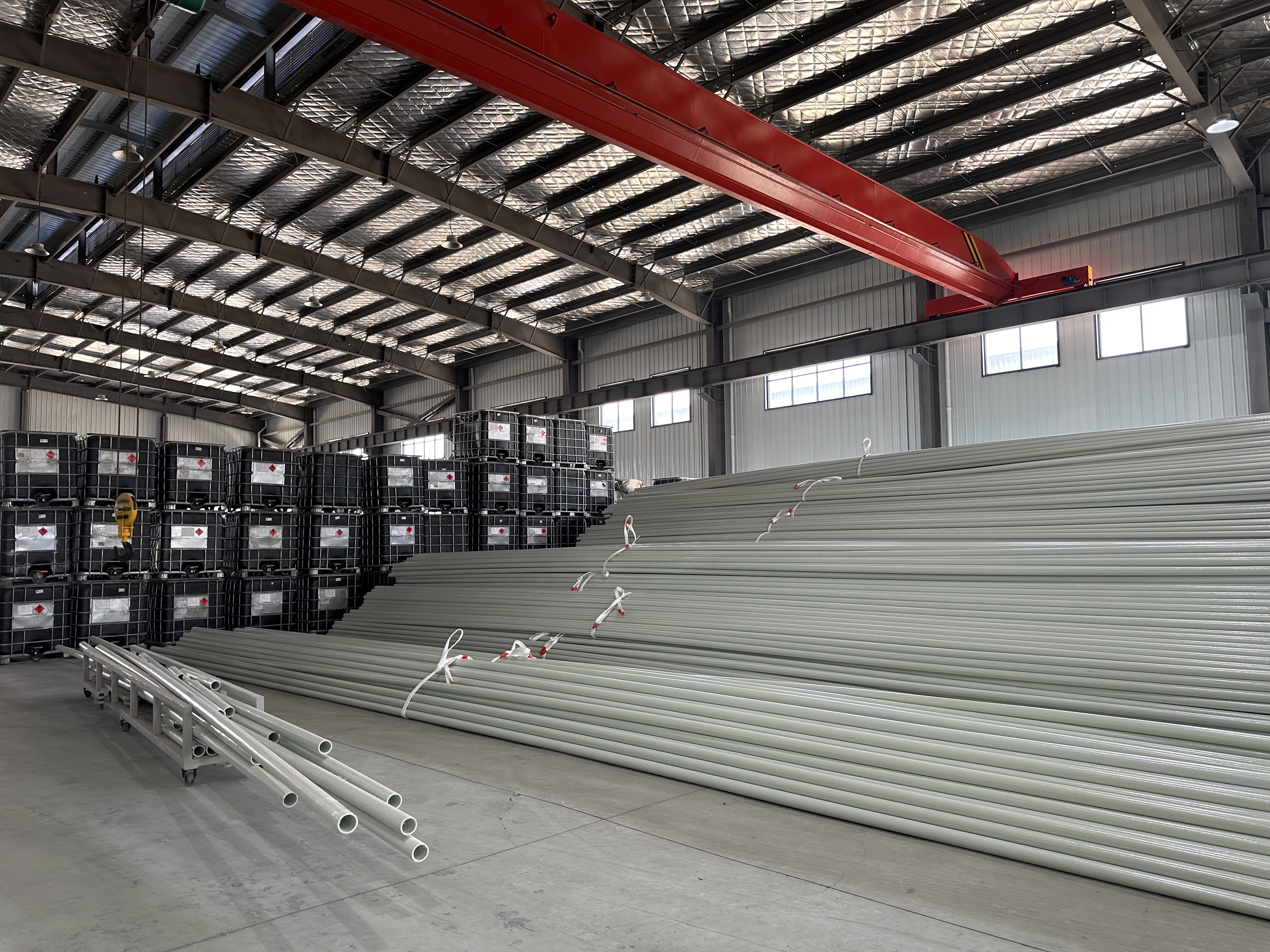
Fiberglass tubes have a wide range of applications in construction and various industrial sectors due to their strength, durability, and resistance to corrosion. Significant applications include:
Structural Support: In construction, fiberglass tubes are often used as structural elements in scaffolding, poles, and support beams. Their lightweight nature eases installation while providing robust support.
Electrical Insulation: Fiberglass tubes serve as insulators in electrical applications. Their non-conductive properties make them ideal for enclosing wires and components, ensuring safety and reliability.
Chemical Transport: Industries requiring the transport of corrosive chemicals benefit from fiberglass tubes due to their chemical resistance. They are commonly used in piping systems for chemical processing and waste management.
Recreational Products: The sporting goods industry utilizes fiberglass tubes in products like fishing rods and tent poles, capitalizing on their lightweight and durable characteristics.
Aerospace and Automotive: In aerospace and automotive sectors, fiberglass tubes are used in lightweight structural components, enhancing fuel efficiency while maintaining strength.
These applications illustrate the versatility of fiberglass tubes and their critical role in various industries.
We're committed to continual development and research in order to improve our products. We actively seek Telescopic fiberglass pole from our customers and make investments in continual improvement to make sure that our products stay top of the line in the market. Our technical support and after-sales service are second to none that gives our clients peace of confidence. Our profiles are sold to Southeast Asia and the Middle East and Middle East, totalling 60 countries.
Our fiberglass products are known to be extremely sturdy and durable. They are also versatile. We use advanced manufacturing methods and premium materials to ensure that our products meet the most stringent standards. No matter if it's a fiber rod for construction or a fiberglass tube for Telescoping fiberglass pole, our products are designed to withstand the most challenging conditions. In addition, our products are extremely lightweight and resistant to corrosion which makes them suitable for a variety of applications.
One of the key selling advantages of our fiberglass products is the cost-effectiveness. Our products are a great value for money, despite their 3 8 fiberglass rod. In addition, our vast selection of sizes and options allow our customers to find the perfect solution for their specific needs. It doesn't matter if it's a traditional fiberglass profile or custom-designed fiberglass Rebar, we have the ability to meet a variety of requirements. In total, We can fabricate a broad range of fiberglass profile, including channels, angles, tubes, rods, and many other shapes that are custom-designed.
Our company stands out in the Fiberglass extension pole due to our commitment to quality and innovation. We have over 40 years' expertise in manufacturing fiberglass rods, profiles, and tubes. We distinguish ourselves from counterparts due to our commitment to constant improvement and customer satisfaction. We place a high value on honesty and transparency in our communications, which means that our clients are always kept informed and actively involved in the process.
While fiberglass tubes offer many advantages, their installation can present challenges. Here are some common issues and practical solutions:
Alignment and Fit: Ensuring proper alignment can be difficult, especially in large installations. To mitigate this, consider using alignment tools or jigs to maintain consistent spacing and angles during installation.
Cutting and Handling: Fiberglass can be brittle; improper cutting methods can lead to fraying or damage. Employ specialized cutting tools designed for fiberglass, and educate your team on safe handling practices to minimize breakage.
Joining Techniques: Properly joining fiberglass tubes is crucial to maintain structural integrity. Use compatible adhesives or mechanical fasteners, and ensure surfaces are clean and properly prepared for bonding.
Environmental Considerations: Installation in adverse weather conditions can affect the performance of adhesives and the curing process. Plan installations during optimal weather conditions, and consider using protective measures to shield components from moisture or extreme temperatures during installation.
Quality Inspection: Conduct thorough inspections of fiberglass tubes before installation. Check for defects, such as cracks or surface irregularities, which could compromise performance. Address any concerns before proceeding with installation to ensure long-term reliability.
By anticipating these challenges and implementing these solutions, you can streamline the installation process and enhance the performance of fiberglass tube applications.
Copyright © Chongqing Dujiang Composites Co., Ltd. All Rights Reserved
 EN
EN