
Fiberglass tubes are a versatile solution used in various industrial applications due to their lightweight yet durable properties. As a leading manufacturer in this field, Chongqing Dujiang Composites Co., Ltd. (CQDJ) understands that buyers often have specific concerns regarding material selection, application suitability, and quality assurance. This article will guide you through the essential factors to consider when choosing fiberglass tubes, their advantages over traditional materials, and best practices for their use. For example, one of the key products in this area is Fiberglass Tube.
Selecting the appropriate fiberglass tube requires careful consideration of several factors. First, assess the specific application and the environmental conditions the tube will face, such as temperature fluctuations, exposure to chemicals, and mechanical stress.
Next, consider the dimensions and thickness of the tube. Fiberglass tubes are available in various diameters and wall thicknesses, which can influence their strength and flexibility. For example, a thicker wall may provide greater load-bearing capacity but could also increase the overall weight, impacting installation and handling. Fiberglass Rebar can also be an option in some applications where additional reinforcement is needed.
Additionally, evaluate the manufacturing process. Fiberglass tubes can be produced through methods like pultrusion or filament winding, each offering unique benefits. Pultrusion, for instance, is well-suited for producing consistent cross-sectional shapes, ensuring uniformity in strength. Understanding these processes will help you make an informed decision based on your project requirements.</p>
Lastly, inquire about customization capabilities. Many manufacturers, including CQDJ, offer custom profiles tailored to specific needs, allowing you to achieve the desired performance characteristics.</p>
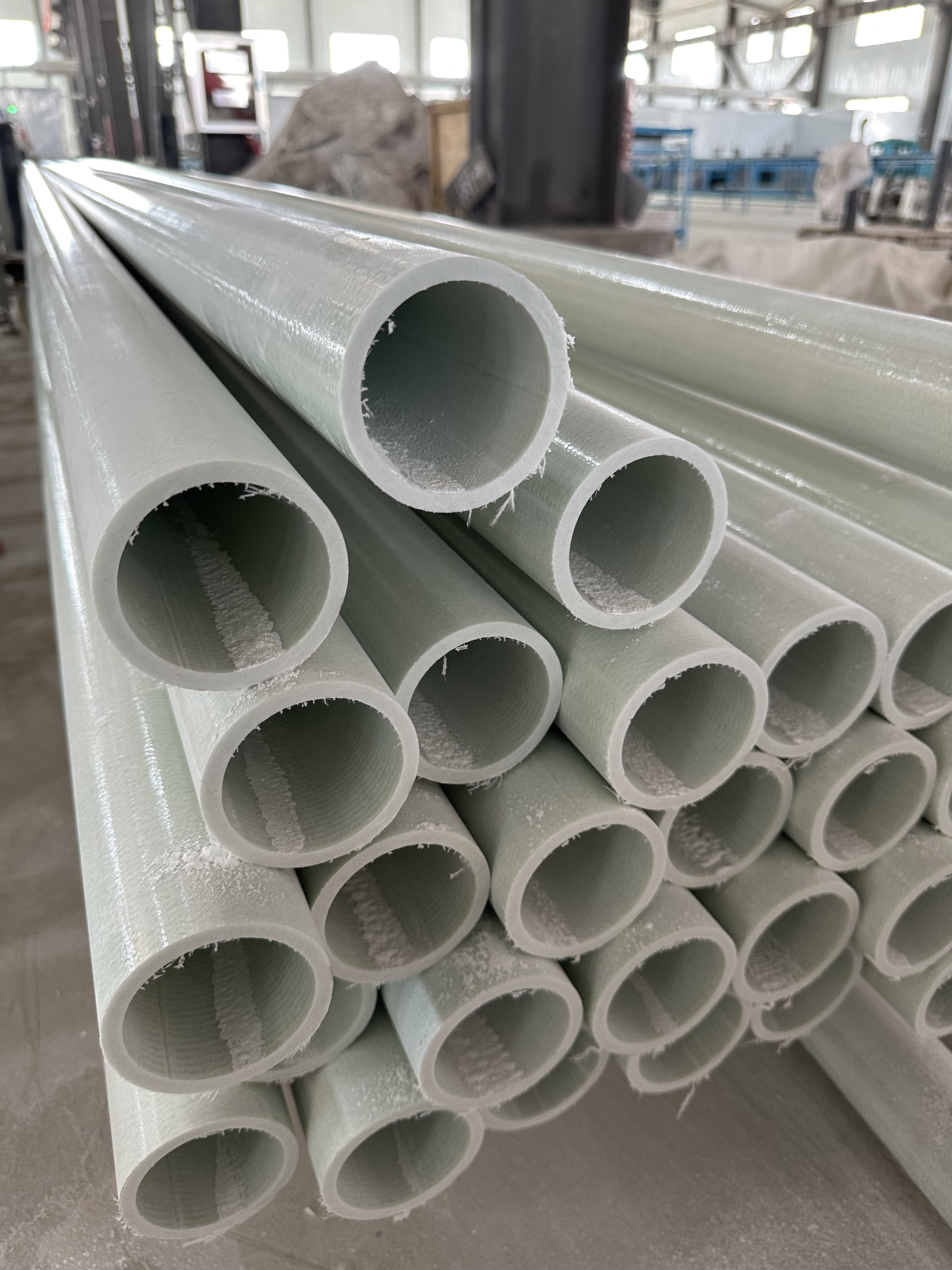
Fiberglass tubes provide numerous advantages over traditional materials such as steel or plastic. One significant benefit is their resistance to corrosion and chemical damage. Unlike metals, fiberglass does not rust or corrode, making it ideal for applications in harsh environments, such as chemical processing plants or marine settings.</p>
Another advantage is their lightweight nature. Fiberglass tubes weigh significantly less than steel, reducing transportation costs and simplifying installation. This property also allows for easier handling and manipulation on job sites, which can be crucial for large-scale projects.</p>
Furthermore, fiberglass tubes exhibit excellent thermal and electrical insulation properties. This characteristic is particularly beneficial in applications where heat transfer needs to be minimized or where electrical conductivity must be avoided.</p>
Finally, fiberglass can be designed to meet specific strength requirements, enabling manufacturers to create products that can withstand substantial loads while maintaining a lower weight. This versatility makes fiberglass tubes suitable for a wide range of industries, including construction, infrastructure, and manufacturing.</p>
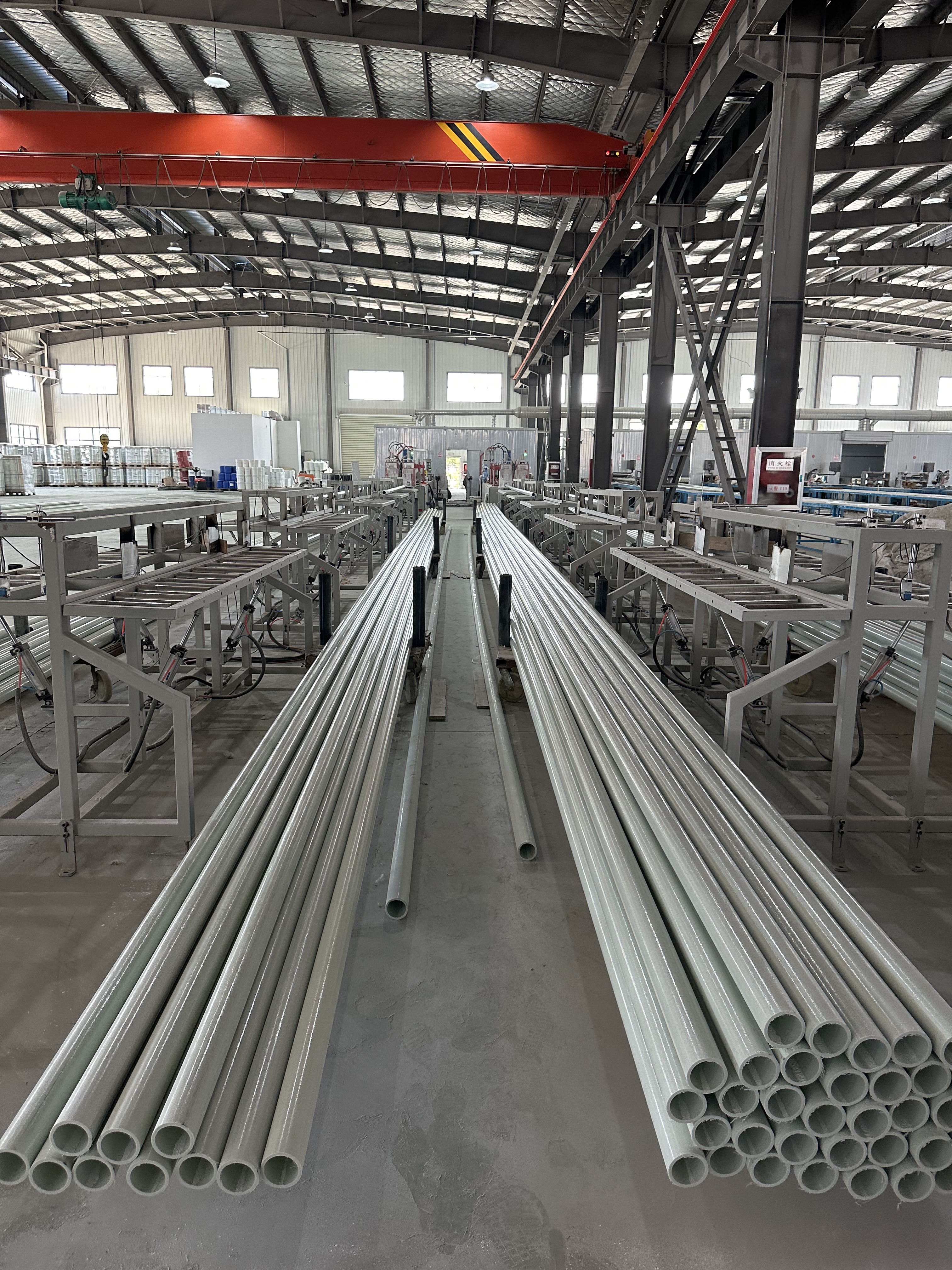
To ensure optimal performance and longevity of fiberglass tubes, it is essential to follow best practices during installation and maintenance. First, always handle fiberglass tubes with care to avoid damage. Although they are durable, they can be susceptible to cracking or chipping if dropped or improperly handled.</p>
When installing fiberglass tubes, ensure that the fittings and connectors are compatible. Mismatched components can lead to stress concentrations and potential failure. It is advisable to consult technical drawings or specifications to confirm compatibility before installation.</p>
Additionally, consider the environmental conditions during installation. Extreme temperatures can affect the curing process of adhesives or sealants, potentially compromising the integrity of the assembly.
Regular inspections should also be part of your maintenance routine. Look for signs of wear, such as surface cracks or discoloration, which may indicate that the tube is nearing the end of its service life. Early detection of issues can help prevent more significant failures down the line.</p>
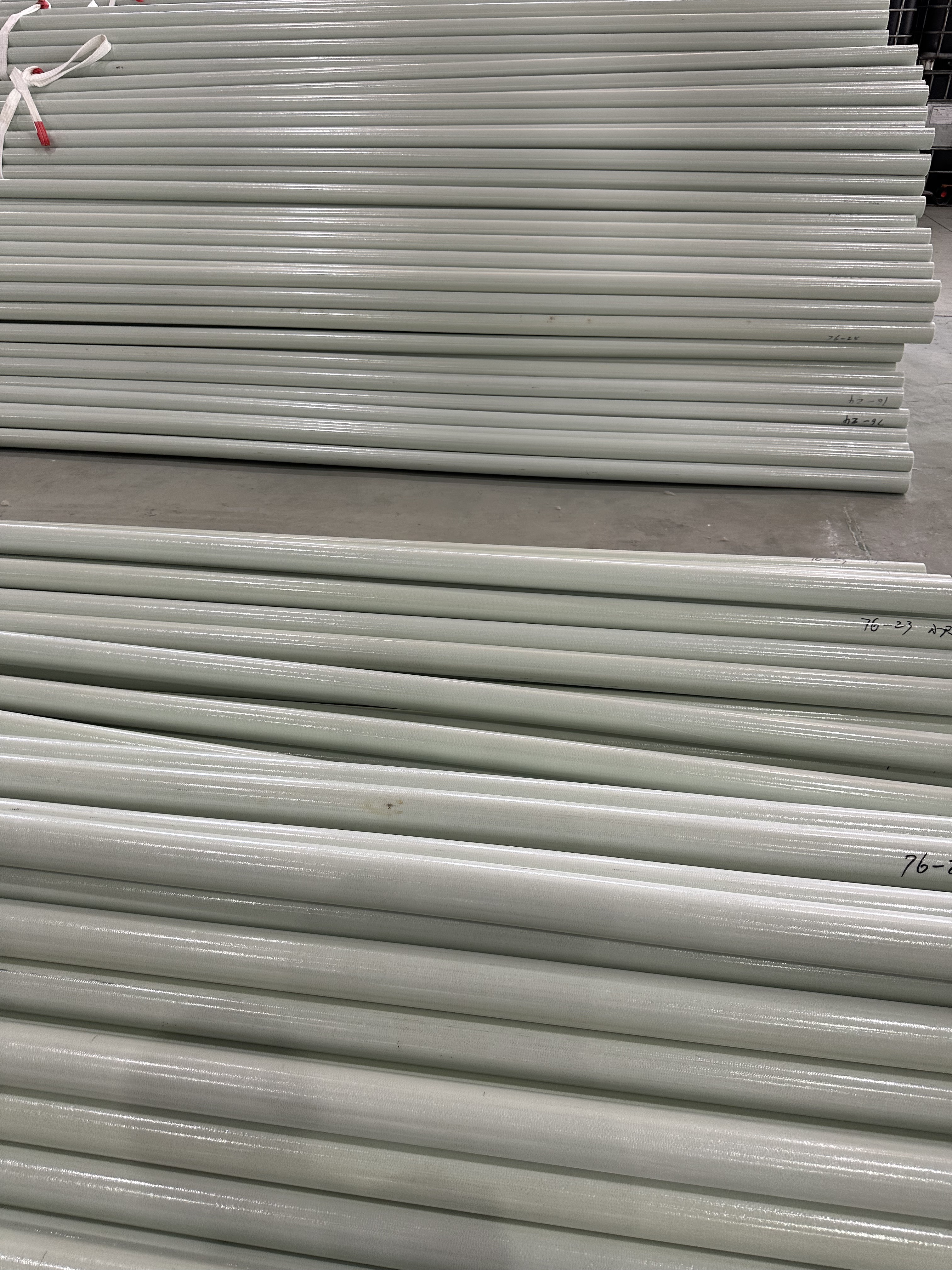
When comparing fiberglass tubes to traditional materials like metal and PVC, several key differences emerge. As mentioned earlier, fiberglass excels in corrosion resistance, making it a preferred choice for applications exposed to moisture and chemicals. In contrast, metals can suffer from rust and require protective coatings, increasing maintenance costs.</p>
Weight is another critical factor. Fiberglass tubes are much lighter than steel, which can significantly reduce transportation and labor costs. For large projects where numerous components are required, the reduced weight can lead to substantial savings.</p>
Moreover, the manufacturing flexibility of fiberglass allows for a wider range of shapes and sizes compared to traditional materials. This adaptability means that custom solutions can often be achieved more efficiently with fiberglass tubes.</p>
However, it's essential to consider that fiberglass may not be suitable for every application. For instance, in high-impact environments where tubes are subject to heavy loads or impacts, the strength of fiberglass may not match that of structural steel. Therefore, evaluating the specific application requirements is crucial in making the right material choice.</p>
We're committed in our ongoing development and research in order to improve our products. Our customers are regularly engaged and we continue to invest in improvement to keep our products in the forefront of their industry. The after-sales assistance as well as our technical expertise is unbeatable giving our customers confidence and peace of head in the performance of our fiberglass products. Our profiles are sold mostly to Southeast Asia and the Flexible fiberglass rodst that totals 60 countries.
Our fiberglass products are known for their low cost. Our products offer excellent value for Fibreglass extension pole, despite their superior performance. Our wide selection of sizes and options allows our clients to discover the ideal solution to their specific needs. We can meet diverse needs in terms of a regular fiberglass profile design or a custom-designed fiberglass Rebar. In total, we can fabricate a range of fiberglass profiles, including tubes, rods and custom-designed designs.
3 4 fiberglass rod commitment to quality and innovation is what sets us apart from other companies in the industry. With over 40 years of experience in the manufacture of fiberglass rods, profiles tubes, rebars, and other rebars, we are a reliable and trustworthy supplier. We distinguish ourselves from competitors due to our dedication to continuous improvement and client satisfaction. Transparency, transparency and open communication are essential to us. We want our customers to be informed and involved.
The fiberglass we use is recognized for their 1 2 fiberglass rod durability, strength and adaptability. Our products are manufactured by using the latest techniques and quality materials. Our products, be it an aluminized rod to construct or a tubular of fiberglass to be used in industrial applications are designed to last. Our products are also lightweight and resist corrosion, making them perfect for many applications.
Quality control is vital in the production of fiberglass tubes to ensure they meet performance standards. At CQDJ, several quality assurance measures are implemented throughout the manufacturing process. </p>
First, raw materials are rigorously tested for consistency and quality. The type of resin and fiberglass used can significantly affect the final product's strength and durability. It's essential to select high-quality materials to achieve the desired performance.</p>
Next, during manufacturing, processes such as pultrusion are closely monitored. Parameters like temperature, pressure, and curing time are precisely controlled to ensure uniformity in product quality. Any deviations from established specifications can lead to inconsistencies in the final product.</p>
After production, finished fiberglass tubes undergo final inspections, including dimensional checks and visual assessments for defects. Buyers should inquire about the manufacturer's quality assurance protocols, including any certifications or industry standards they adhere to.</p>
Finally, it is advisable for buyers to request samples before placing larger orders. Testing samples under actual operating conditions can provide valuable insights into the product's performance and suitability for specific applications.</p>
By understanding these quality control processes, buyers can make informed decisions and ensure they source reliable fiberglass tubes that meet their project needs.</p>
Copyright © Chongqing Dujiang Composites Co., Ltd. All Rights Reserved
 EN
EN