 EN
EN

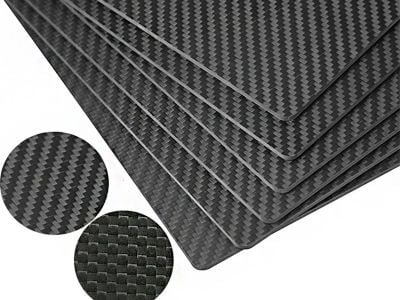
Understanding the factors that influence the price of carbon fiber tubes is essential for B2B buyers in industries ranging from automotive to aerospace. This Carbon Fiber Tube Price Guide discusses how wall thickness and weave type impact wholesale costs, helping purchasing managers, engineers, and product managers make informed decisions. Key concerns include evaluating specifications, understanding how material choices affect pricing, and identifying reliable suppliers. This article will clarify these aspects, providing practical insights for buyers.
How Wall Thickness Affects the Cost of Carbon Fiber Tubes?
Wall thickness is a critical factor influencing the cost of carbon fiber tubes. Thicker walls generally mean increased material usage, which directly raises the price. In applications where structural integrity is paramount, such as in aerospace or high-performance automotive components, thicker tubes are often required. However, buyers should balance the need for strength with cost considerations. For instance, a tube carbon fiber with a wall thickness of 2mm may be sufficient for lightweight applications, while a tube with a thickness of 5mm may be necessary for heavy-duty projects. Buyers should also consider the implications of thickness on weight and flexibility. An overly thick tube may add unnecessary weight, affecting the overall performance of the final product. When requesting quotes, it's advisable to specify the required wall thickness based on the intended application to ensure accurate pricing.
Understanding Weave Types and Their Impact on Tube Pricing
The weave type of carbon fiber plays a significant role in determining its price and performance characteristics. Common weave types include plain weave, twill weave, and unidirectional. Each type offers different benefits and costs associated with its production.
Plain Weave: This is the most fundamental weave, offering a balanced strength-to-weight ratio. However, it may not provide the same level of flexibility or aesthetics as more complex weaves. Consequently, plain weave tubes are often less expensive.
Twill Weave: This weave type offers enhanced flexibility and a better aesthetic finish, making it popular in consumer-facing applications. The complexity of producing twill weave results in higher costs.
Unidirectional Weave: This type is designed for maximum strength in one direction and is commonly used in applications requiring high tensile strength. The production process for unidirectional tubes can be more intricate, leading to elevated pricing.
When considering which weave type to select, buyers should evaluate how each option aligns with the specific requirements of their project. Understanding the performance characteristics associated with each weave can lead to more informed purchasing decisions.
Where to Find Reliable Wholesale Suppliers for Carbon Fiber Tubes?
Identifying trustworthy wholesale suppliers for carbon fiber tubes is vital for ensuring quality and reliability. Buyers should start by researching manufacturers with a strong reputation in the composites industry, such as Chongqing Dujiang Composites Co., Ltd. (CQDJ). Look for suppliers who specialize in carbon fiber products and offer a range of customization options to meet specific project needs.
When evaluating potential suppliers, consider the following criteria:
Certifications: Verify if the supplier has relevant industry certifications, as these can indicate adherence to quality standards.
Production Capacity: Ensure that the supplier can meet your volume requirements, especially if you're planning large orders.
Customization Capabilities: Look for manufacturers who can accommodate specific dimensions, wall thicknesses, and weave types.
Lead Times: Inquire about typical lead times for orders, as timely delivery is crucial for project schedules.
Establishing a solid relationship with a reliable supplier can streamline the procurement process and enhance product quality.
Evaluating the Quality of Carbon Fiber Tubes for Your Projects
Quality evaluation of carbon fiber tubes is essential before making a purchasing decision. Various factors should be assessed to ensure that the tubes meet project specifications and performance expectations.
Visual Inspection: Check for any signs of defects, such as cracks, delamination, or inconsistencies in weave patterns. A thorough visual inspection can reveal potential quality issues before the tubes are used in production.
Mechanical Testing: If possible, request mechanical test data from the supplier, including tensile strength, flexural strength, and impact resistance. These metrics provide insight into the material's performance capabilities.
Sample Approval: Prior to mass production, buyers should insist on approving a sample of the carbon fiber tube 10mm. This allows for verification of dimensions, fit, and overall performance under expected operating conditions.
Material Certificates: Request material certification documents to confirm the tube's properties and ensure they align with your application's requirements.
By conducting a comprehensive evaluation of quality, buyers can mitigate risks and ensure that the chosen carbon fiber tubes will perform effectively in their intended applications.
Common Problems with Carbon Fiber Tubes and Their Solutions
While carbon fiber tubes are renowned for their strength and lightweight properties, they are not without potential issues. Understanding common problems can help buyers prepare and address them effectively.
Delamination: This occurs when layers of the carbon fiber separate, typically due to improper curing or manufacturing defects. To prevent this, ensure that the supplier follows strict quality control processes during production.
Cracking: Carbon fiber can be brittle, leading to cracking under excessive stress or impact. Buyers should assess the required load-bearing capacity and select tubes with appropriate wall thickness and weave type to minimize this risk.
Cost Variability: Prices can fluctuate based on material availability and market demand. To manage costs, consider establishing long-term agreements with suppliers to lock in prices or explore bulk purchasing options.
Compatibility Issues: Ensure that the carbon fiber pipe price fiber tubes are compatible with the intended application, particularly regarding bonding with other materials. Buyers should consult with manufacturers for recommendations on adhesives or joining techniques.
By being aware of these potential issues and proactively addressing them, buyers can enhance the durability and functionality of carbon fiber tube applications.
Table of Contents
- How Wall Thickness Affects the Cost of Carbon Fiber Tubes?
- Understanding Weave Types and Their Impact on Tube Pricing
- Where to Find Reliable Wholesale Suppliers for Carbon Fiber Tubes?
- Evaluating the Quality of Carbon Fiber Tubes for Your Projects
- Common Problems with Carbon Fiber Tubes and Their Solutions