 EN
EN

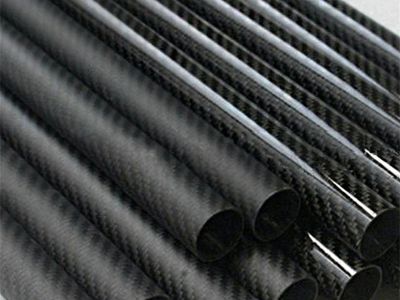
Quality inspection points for bulk woven carbon fiber tube shipments to North America are essential for ensuring that products meet stringent performance standards and customer expectations. As a B2B buyer, you may have concerns about quality control, material specifications, and logistical challenges when sourcing these high-performance materials. This article will guide you through the critical quality control procedures, specifications, sourcing tips applications, and common issues related to woven carbon fiber tubes, empowering you to make informed purchasing decisions.
Quality Control Procedures for Bulk Woven Carbon Fiber Tubes
Quality control (QC) is crucial for bulk woven carbon fiber tubes, as these materials are often used in demanding applications requiring high strength and durability. The QC process begins with raw material inspection, verifying that the carbon fiber used meets the specified tensile strength and modulus requirements. Each batch of 40mm carbon fiber tube should be tested for consistency in weave density and fiber orientation, as these factors significantly impact the tube's overall performance. During production, regular monitoring of the filament winding processes is essential. This includes checking for proper resin infusion and curing times, as well as inspecting for voids or defects within the material. After production, each batch should undergo dimensional checks to ensure compliance with specified tolerances. Finally, a sample of finished tubes should be subjected to mechanical testing, such as tensile or flexural strength tests, to validate performance metrics before shipment.
Essential Specifications for Woven Carbon Fiber Tubes You Need
When sourcing woven carbon fiber tubes, certain specifications are critical to ensure suitability for your intended application. Key specifications include:
Diameter and Wall Thickness: These dimensions must be tailored to the load-bearing requirements of your application. A tube that is too thin may not withstand required pressures, while one that is too thick can add unnecessary weight.
Material Grade: Different grades of carbon fiber tube 10mm possess varying tensile strengths and stiffnesses. Ensure the material selected aligns with the performance criteria of your project.
Weave Pattern: The weave pattern affects flexibility and strength. A unidirectional weave may offer higher strength in one direction, while a multi-directional weave provides balanced strength.
Curing Process: The method of curing whether thermal or chemical can affect the final properties of the tube. Understanding the curing process helps in assessing the tube's durability.
Confirming these specifications with your supplier is critical to avoid performance issues in the end application, as a mismatch can lead to costly failures.
Wholesale Sourcing Tips for Carbon Fiber Tube Suppliers
Finding reliable suppliers for woven carbon fiber tubes involves thorough evaluation and due diligence. Here are some practical tips for wholesale sourcing:
Request Samples: Before committing to a large order, always request samples to evaluate the quality and performance of the product firsthand. Testing samples allows you to verify specifications and assess how the material performs under your specific operational conditions.
Evaluate Manufacturing Capabilities: Understand the manufacturing processes used by potential suppliers. Look for advanced production methods like filament winding, which ensure consistent quality and strength.
Check Certifications: Confirm that suppliers adhere to industry standards and certifications. This may include ISO certifications or compliance with specific industry regulations relevant to your application.
Assess Lead Times and Minimum Order Quantities (MOQs): Clarify lead times and MOQs upfront to ensure they align with your project timelines. Suppliers who can offer flexibility in quantity and quick turnaround times may be preferable.
Review Customer Feedback: Research reviews and testimonials from other buyers. Positive feedback can provide confidence in a supplier's reliability and product quality.
Applications of Woven Carbon Fiber Tubes in Various Industries
Woven carbon fiber tubes are versatile and find applications across multiple industries, including:
Aerospace: Utilized in aircraft components for their high strength-to-weight ratio.
Automotive: Implemented in high-performance vehicles for parts such as drive shafts and structural components.
Construction: Used in reinforcing structures, offering lightweight yet strong alternatives to traditional materials.
Sports Equipment: Incorporated in high-end sporting goods, such as bicycles and fishing rods, where performance and weight reduction are critical.
Industrial Equipment: Employed in machinery components that require high stiffness and low weight, enhancing operational efficiency.
Understanding these applications can guide you in selecting the right woven carbon fiber tubes for your specific needs.
Common Problems with Carbon Fiber Tubes and Effective Solutions
Even with stringent quality control, various issues can arise with woven carbon fiber tubes. Here are some common problems and their solutions:
Delamination: This occurs when layers of carbon fiber separate due to inadequate curing. To prevent this, ensure proper curing processes are followed and conduct thorough inspections before shipment.
Dimensional Inaccuracy: Variations in diameter and wall thickness can lead to compatibility issues with fittings. Regular dimensional checks during production can help mitigate this risk.
Surface Defects: Imperfections such as voids or surface roughness can affect performance. Implementing rigorous surface inspection protocols and using advanced manufacturing techniques can reduce these occurrences.
Moisture Absorption: Carbon fiber can absorb moisture, which can weaken the material over time. Ensure proper sealing and storage conditions to protect against environmental factors.
By being aware of these potential issues and taking proactive measures during the sourcing and quality inspection phases, you can minimize risks associated with woven carbon fiber tubes. Understanding the quality inspection points for bulk 50mm carbon fiber tube shipments to North America is vital for ensuring that the products you source meet industry standards and application requirements. By following the guidelines provided, you can enhance your purchasing process and make informed decisions that lead to successful project outcomes.
Table of Contents
- Quality Control Procedures for Bulk Woven Carbon Fiber Tubes
- Essential Specifications for Woven Carbon Fiber Tubes You Need
- Wholesale Sourcing Tips for Carbon Fiber Tube Suppliers
- Applications of Woven Carbon Fiber Tubes in Various Industries
- Common Problems with Carbon Fiber Tubes and Effective Solutions