 EN

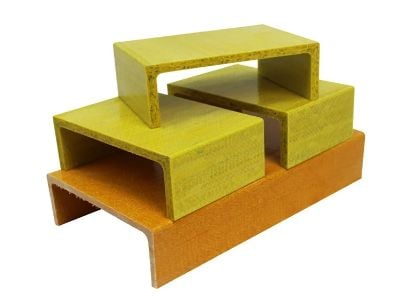
Wholesale fiberglass tubes, available in both round and square profiles, are essential components for composite component OEMs across various industries. As a purchasing manager or engineer, understanding the key specifications, cost factors, installation guidance, and common challenges associated with these products can significantly impact your project's success. This article aims to provide in-depth insights into wholesale fiberglass tube options, helping you make informed decisions for your next procurement.
Key Specifications for Round and Square Fiberglass Tube Options
When considering wholesale fiberglass tube options, it is vital to focus on specifications that directly impact performance and application suitability. Key specifications include:
Material Composition: Fiberglass tubes are typically constructed from E-glass or S-glass fibers, known for their excellent strength-to-weight ratio and corrosion resistance. The choice between E-glass and S-glass may depend on the specific mechanical and thermal performance required for your application.
Dimensions: Tubes are available in various diameters and wall thicknesses. For round profiles, common diameters might range from 1 inch to over 10 inches, while square profiles might vary from 1 inch to 6 inches per side. The wall thickness affects the tube's load-bearing capacity and flexibility. Ensure you specify the required dimensions that align with your project needs.
Length: Standard lengths may vary, but many manufacturers, including Chongqing Dujiang Composites Co., Ltd. (CQDJ), can provide custom lengths depending on your requirements.
Manufacturing Process: Tubes may be produced using filament winding techniques, which influence their mechanical properties. Understanding the manufacturing method can help you assess the durability and reliability of the tubes for your intended application.
Surface Finish and Treatment: A smooth surface finish can enhance aesthetic appeal and reduce friction in applications. Consider coatings or treatments for specific environmental exposures, such as UV protection or chemical resistance.
Cost Factors to Keep in Mind for Bulk Fiberglass Tube Purchases
When procuring fiberglass tubes in bulk, several cost factors come into play that can influence your overall investment:
Material Costs: The type of fiberglass used (E-glass vs. S-glass) will significantly impact costs. S-glass, while more expensive, offers superior mechanical properties suitable for demanding applications.
Customization: Custom profiles or specific dimensions may incur additional fees. Be clear about your specifications to avoid unexpected costs later in the procurement process.
Order Quantity: Manufacturers often have minimum order quantities (MOQ). Ordering in larger quantities can reduce the per-unit cost, but it is essential to balance this with your project's immediate needs and storage capabilities.
Shipping and Handling: Depending on your location and the manufacturer’s shipping policies, transportation costs can vary. Factor in these costs when evaluating total expenses.
Lead Time: Custom orders may require longer lead times, which can also affect costs. Ensure to discuss timelines upfront to align with your project schedule.
Installation Guidance for Round and Square Fiberglass Tube Profiles
Proper installation of fiberglass tubes is crucial for ensuring their effectiveness and longevity. Here are some installation guidelines to consider:
Preparation: Ensure that all surfaces are clean and free of debris before installation. This applies to both the tubes and any fittings or connectors used.
Support Structures: Depending on the application, adequate support for the tubes must be provided to prevent sagging or bending under load. This may involve brackets, clamps, or other support systems.
Cutting and Joining: If adjustments are necessary, use appropriate tools to cut fiberglass tubes. A fine-toothed saw or cutting wheel is recommended. For joining sections, consider using epoxy or specialized adhesives that are compatible with fiberglass materials.
Sealing: If the tubes will be exposed to moisture or chemicals, ensure all joints and cuts are properly sealed to prevent infiltration. This step is crucial for maintaining the integrity of the telescoping fiberglass pole and extending its lifespan.
Safety Precautions: During installation, it is essential to wear protective gear, including gloves and masks, to avoid exposure to fiberglass dust, which can irritate the skin and respiratory system.
Common Problems with Fiberglass Tubes and Effective Solutions
While fiberglass tubes are known for their durability, several common issues can arise during use. Here are some problems and their solutions:
Cracking or Splitting: This can occur if the tubes are subjected to excessive stress or impact. To mitigate this, ensure you select appropriate wall thickness and avoid overloading the tubes beyond their rated capacity.
Surface Damage: Fiberglass tubes can experience surface wear due to environmental exposure. Regular inspections and maintenance can help identify damage early. Consider applying protective coatings to enhance durability against UV rays and chemicals.
Delamination: If the layers of telescopic fiberglass pole begin to separate, it could compromise the structural integrity of the tube. This issue is often associated with poor manufacturing processes. Ensure that you source your products from reputable manufacturers like CQDJ, who maintain strict quality control measures.
Moisture Infiltration: If not sealed correctly, moisture can enter the tubes, leading to mold or degradation. Always verify that joints and cuts are properly sealed during installation.
Understanding the Advantages of Fiberglass Tubes in Composite Components
Fiberglass tubes offer numerous benefits, making them a popular choice in various industrial applications:
Lightweight: Fiberglass is significantly lighter than metals like steel or aluminum, reducing the overall weight of structures and components without sacrificing strength. This is particularly advantageous in applications where weight savings are critical.
Corrosion Resistance: Fiberglass exhibits excellent resistance to a wide range of chemicals, making it suitable for use in harsh environments, such as chemical processing plants or marine applications.
Thermal Insulation: fiberglass sticks has low thermal conductivity, which makes it effective for applications requiring insulation against heat transfer.
Customization: The ability to produce custom profiles allows manufacturers to meet specific design and performance requirements, providing a tailored solution for various applications.
Cost-Effectiveness: While the initial cost may be higher for fiberglass tubes compared to some metals, their durability and low maintenance requirements can result in lower overall lifecycle costs.
By understanding these advantages, you can better assess how fiberglass tubes may fit into your operational needs and project requirements.
Table of Contents
- Key Specifications for Round and Square Fiberglass Tube Options
- Cost Factors to Keep in Mind for Bulk Fiberglass Tube Purchases
- Installation Guidance for Round and Square Fiberglass Tube Profiles
- Common Problems with Fiberglass Tubes and Effective Solutions
- Understanding the Advantages of Fiberglass Tubes in Composite Components