 EN
EN


L'avenir des infrastructures : pourquoi les poteaux électriques en matériaux composites et en fibre de verre dominent-ils le marché mondial
Alors que les réseaux électriques mondiaux font face aux défis doubles d’infrastructures vieillissantes et de conditions météorologiques de plus en plus imprévisibles, les matériaux utilisés pour soutenir nos « lignes vitales » connaissent une véritable révolution. Les poteaux traditionnels en bois, en acier ou en béton ne sont plus les seuls acteurs sur le terrain. Aujourd’hui, poteaux composites multifonctionnels — également appelés poteaux en PRF (polymère renforcé de fibres) — émergent comme la référence en matière de réseaux de distribution résilients et durables.

Dans cette analyse approfondie du secteur, nous explorons pourquoi les entreprises de services publics se tournent vers les poteaux électriques en fibre de verre et ce que vous devez savoir concernant leur approvisionnement et leur fabrication.
Qu’est-ce qu’un poteau composite ou en fibre de verre ?
Un poteau composite est une structure ingénieuse composée d’une matrice de résine renforcée par des fibres de verre à haute résistance. Contrairement au bois, qui est sujet à la pourriture, ou à l’acier, qui est sensible à la corrosion, ces matériaux sont chimiquement inertes et extrêmement résistants.
Terminologie clé du secteur :
Poteau en PRF : Polymère renforcé de fibres, le terme technique générique.
Poteau de distribution en fibre de verre : Spécifiquement conçu pour les lignes électriques résidentielles et commerciales.
Poteau léger composite / poteau de lampadaire en PRF : Poteaux de plus petite taille utilisés pour l’éclairage urbain et les infrastructures décoratives.
Pourquoi passer à ce matériau ? Les avantages fondamentaux
1. Durabilité et durée de vie supérieures
Alors qu’un poteau en bois traité peut durer de 20 à 30 ans dans des conditions idéales, un poteau électrique en fibre de verre est homologué pour une durée de service de 75 à 80 ans. Il est insensible aux :
Menaces biologiques : Termites, pics et champignons.
Menaces environnementales : Brouillard salin dans les zones côtières et forte humidité dans les climats tropicaux.
Menaces chimiques : Pluies acides et sels de déneigement.
2. Légèreté et facilité d’installation
Amât téléphonique composite pèse environ 1/3 à 1/4 d’un mât en bois équivalent et environ 1/10 d’un mât en béton.
Impact sur le retour sur investissement (ROI) : Cette réduction de poids abaisse considérablement les coûts de transport et permet l’installation dans des endroits éloignés hors route à l’aide d’équipements légers ou même d’hélicoptères, sans nécessiter de grues lourdes.
3. Isolation électrique et sécurité
La sécurité est primordiale dans la distribution d'énergie. Poteaux électriques en fibre de verre sont naturellement non conducteurs. Cette résistance diélectrique intrinsèque fournit une couche supplémentaire de protection pour les techniciens travaillant sur les lignes et réduit le risque de « potentiel de pas et de contact » en cas de défaut ou d'orage.
Poteaux d'éclairage en PRF : la nouvelle norme pour les villes intelligentes
Au-delà des lignes à haute tension, le Poteau d'éclairage urbain en PRF rencontre un engouement croissant dans l'aménagement urbain. Poteaux d'éclairage composites offrent une esthétique élégante et moderne et sont « fragilisés » — c'est-à-dire conçus pour se rompre en toute sécurité en cas de choc avec un véhicule, réduisant ainsi la gravité des accidents routiers.
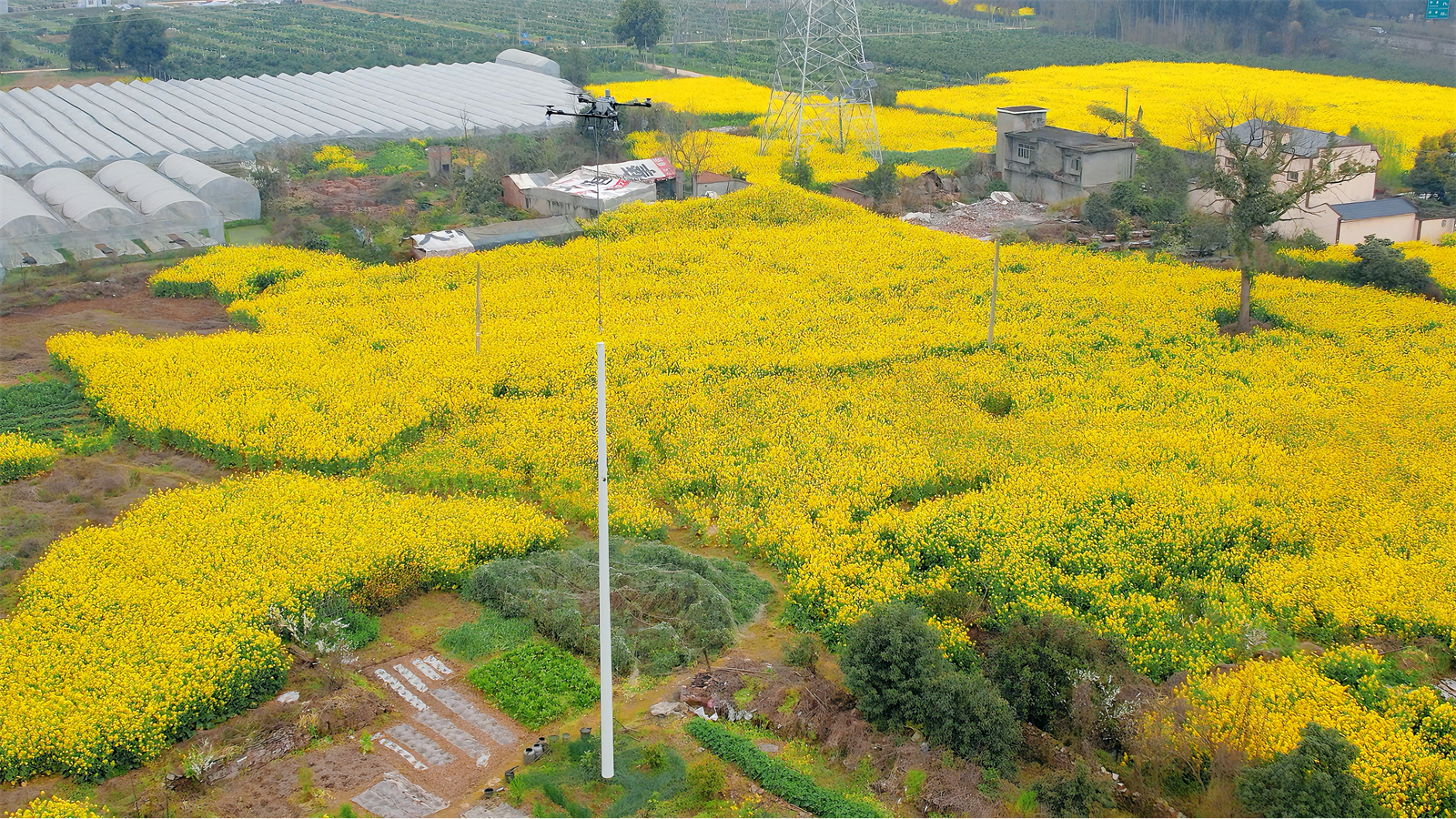
En outre, comme la fibre de verre n’interfère pas avec les fréquences radio, les mâts d’éclairage en composite constituent le boîtier idéal pour les petites stations 5G et les capteurs IoT des villes intelligentes.
Analyse du coût des poteaux électriques en fibre de verre
L’une des questions les plus fréquentes posées par les responsables des achats est la suivante : Le surcoût est-il justifié ?
Bien que le coût initial des poteaux électriques en fibre de verre soit supérieur à celui du bois (souvent 1,5 à 2 fois le prix d’un poteau en bois traité), le Coût total de possession (TCO) coût total de possession est nettement inférieur.
| Fonctionnalité | Poteau en bois | Poteau en acier | Poteau en composite (PRF) |
| Coût initial | Faible | Moyen | Élevé |
| Maintenance | Élevé (inspections/traitements) | Moyen (peinture/rouille) | Nullement |
| Cycle de remplacement | 20-30 ans | 40–50 ans | 75 ans et plus |
| Coût d'installation | Élevé (lourd) | Élevé (lourd) | Faible (légère) |
Lorsque l’on prend en compte l’absence d’entretien, la réduction des frais de transport et l’élimination des coûts de remplacement sur une période de 80 ans, la fibre de verre s’impose clairement comme la solution gagnante pour les investissements d’infrastructure à long terme.
Trouver des fabricants fiables de poteaux composites pour réseaux
Le marché des produits en PRF est spécialisé. Lors de la recherche de fabricants de poteaux composites pour réseaux ou un Fabricant de poteaux en PRF , il est essentiel de rechercher des certifications spécifiques et des procédés de fabrication adaptés.
Ce qu’il faut rechercher chez un fournisseur :
Procédé de fabrication : La plupart des pieux électriques composites sont fabriqués par moulage centrifuge ou enroulement filamentaire. Le moulage centrifuge donne une finition lisse et une densité élevée, tandis que l’enroulement filamentaire offre une résistance longitudinale exceptionnelle.
Protection UV : Assurez-vous que le fabricant utilise un voile ou un revêtement de haute qualité résistant aux UV. En l’absence de celui-ci, la fibre de verre peut subir un « épanouissement des fibres » après des décennies d’exposition au soleil.
Conformité aux normes : Recherchez la conformité aux normes ASTM, ANSI ou IEC afin de garantir que les pieux peuvent supporter les charges de vent et le poids de la glace requis.
En tant que leader fabricant de mâts en FRP pour lampadaires , nous mettons l’accent sur l’importance de la personnalisation — proposant diverses couleurs, hauteurs et configurations de perçage afin de répondre aux codes municipaux spécifiques.
Conclusion : Un choix résilient pour un monde en mutation
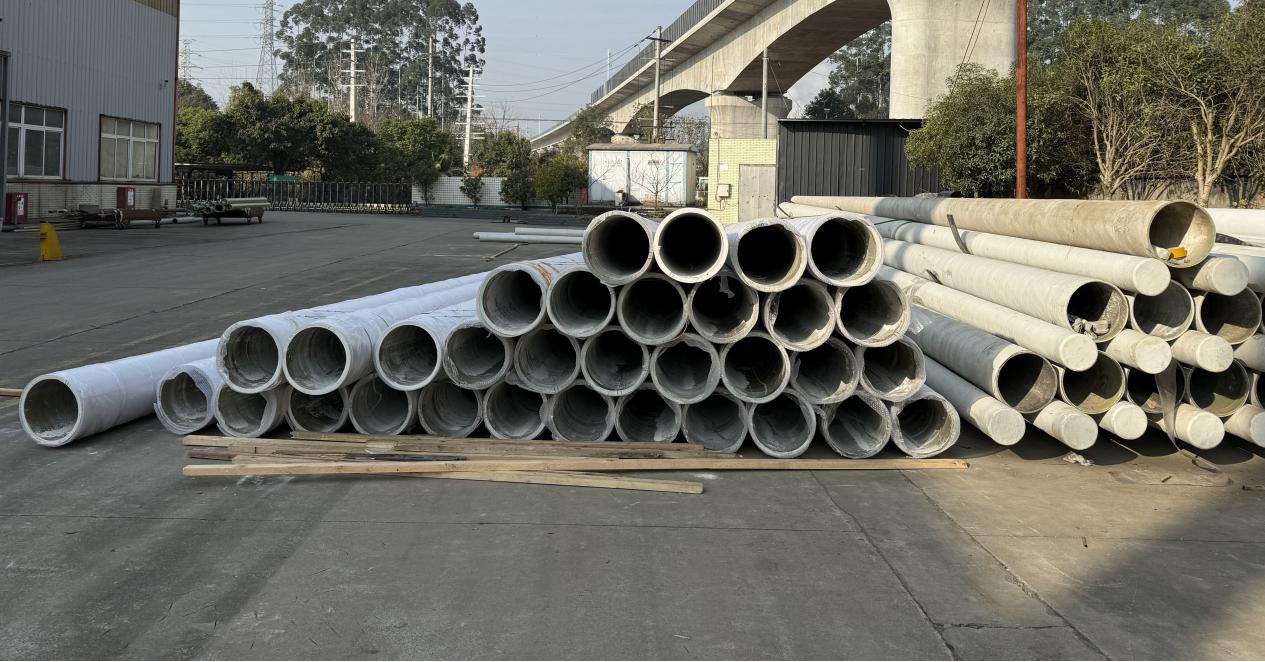
Le passage à poteaux électriques en fibre de verre n’est pas seulement une tendance ; il s’agit d’une réponse à la nécessité d’infrastructures plus résilientes. Que vous recherchiez poteaux téléphoniques composites pour une extension des télécommunications rurales ou poteaux d'éclairage en PRF pour un nouveau projet d'autoroute, les avantages du PRF sont indéniables.
En choisissant des matériaux composites, les entreprises de services publics investissent dans un avenir plus sûr, plus durable et, en fin de compte, plus rentable.
Prévoyez-vous un projet de renforcement du réseau électrique ou une nouvelle disposition d'éclairage urbain ?
Souhaitez-vous que je vous fournisse une fiche de spécifications techniques détaillée ou un devis personnalisé pour vos besoins spécifiques en matière de distribution en fibre de verre exigences relatives aux poteaux ?