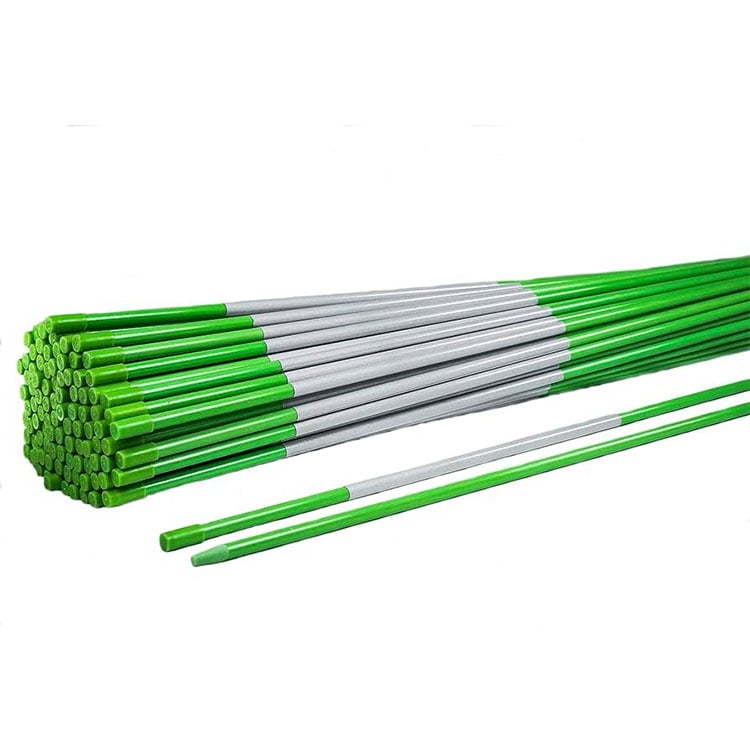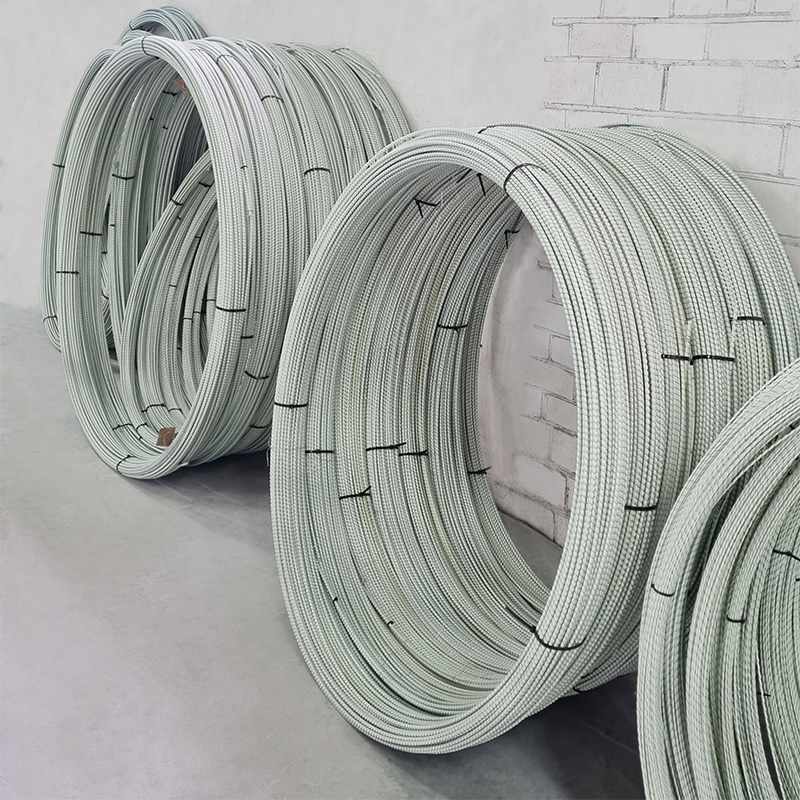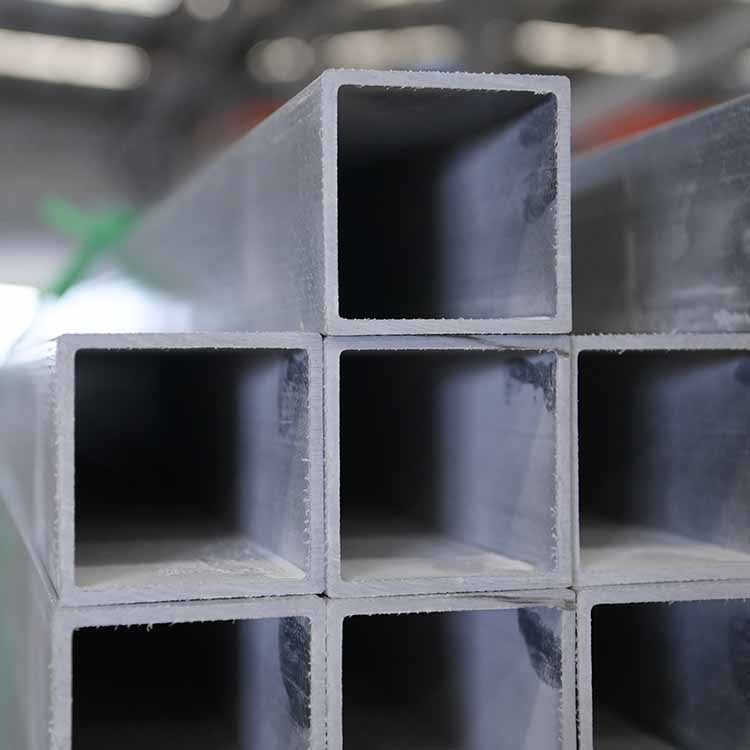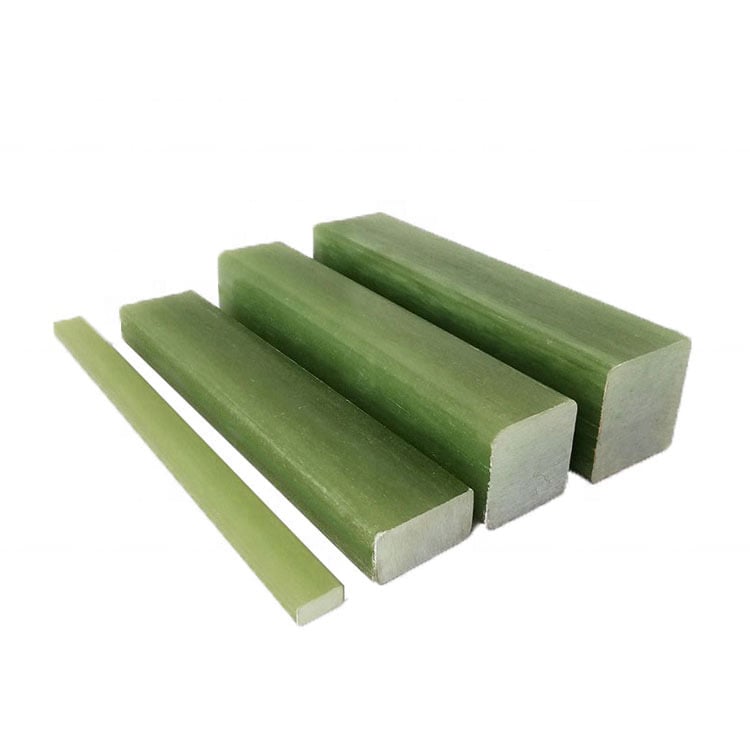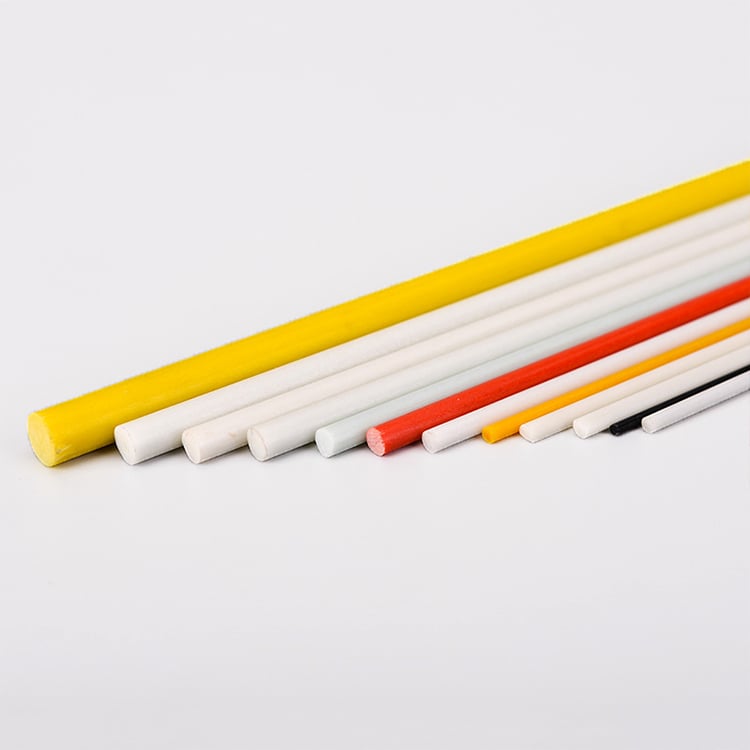
Egy forró kés pontos vágásokat hozhat üvegszál rúdokon, ha ismeri a szükséges méretet. Mérje le mérőszalaggal a méretet, és hagyjon jól látható jelölést. Ez fontos, mert ha a jelölés pontatlan, az egész darab rossz lesz. Húzzon egy egyenes vonalat a rúd mentén, kissé a jelölésen túl. Az egyenes vonal útmutatóként is szolgál, és segít nyomon követni a vágás helyét. Amikor eljön a vágás ideje, válasszon olyan eszközt, amely megkönnyíti az üvegszálakkal való munkavégzést nem szakemberek számára is. Egy finomfogazású fűrész, például fémfűrész vagy üvegszál-vágó fűrész tiszta vágást eredményezhet. Ha rendelkezésre áll egy szalagfűrész, az is megfelelő lehet. És ne feledkezzen meg a védőfelszerelésről — védőszemüvegről és maszkról, amely megóvja szemét és tüdejét a portól és az éles szélektől.
A megfelelő szerszámok kiválasztása a üvegszálrudak vágásához elengedhetetlen ahhoz, hogy jól sikerüljön a munka. Először érdemes meglátogatni a helyi barkácsboltot. Számos üzlet kínál speciális szerszámokat az üvegszál vágásához. Figyeljen olyan fűrészekre, amelyek finom fogazatúak, mivel általában jobban teljesítenek, mint az átlagos fűrészek. Ha nem biztos abban, hogy mit válasszon, kérjen segítséget egy bolti eladótól. Ők segíthetnek a legmegfelelőbb lehetőségek felkutatásában.
Azok a szakemberek, akik üvegszál rudakat vágnak, speciális eszközöket használnak, amelyek könnyebbé és biztonságosabbá teszik a munkát. Az egyik legnépszerűbb eszköz a fűrész. A fűrész egy kézi fűrész finom fogazatú pengével. Az üvegszál vágásához kiváló, mivel repedés nélkül képes vágni az anyagot. A szakemberek motoros eszközöket is használnak, például körfűrészt vagy szalagfűrészt. Ezek gyorsabbak és nagyobb méretű rudaknál hatékonyabban működnek. Különösen tiszta vágásokhoz forgó eszköz használható üvegszál vágókörrel. Ez az eszköz kiváló pontos vágásokhoz, ahol a pontosság elsődleges szempont.
A vágási útmutató egy másik fontos segédeszköz, amelyre a szakemberek támaszkodnak. A vágási segédlet biztosítja, hogy a húzóhatású rudat egyenesen vágják el, így az üvegszál nem törik szét vagy hasad. Sokan úgy találják, hogy egy egyenes él vagy mérővonó használata segít egyenletes vágást elérni. Teljesen biztonságos az üvegszálrudak vágása. A szakemberek védőszemüveget hordanak, hogy megvédjék szemüket az apró üvegszál-részecskéktől, amelyek vágás közben repülhetnek. Emellett kesztyűt is viselhetnek, hogy védjék kezüket. A rúd méretétől és vastagságától függően a CQDJ azt javasolja, hogy válassza ki a megfelelő eszközt. Például kis rúddarabok levágásához fűrészt használhat; nagyobb darabokhoz pedig esetleg motoros fűrészre lesz szükség. Annak ismerete, melyik eszközt kell elővenni, ugyanolyan fontos a munka helyes és biztonságos elvégzéséhez.
A szálas üvegrudak biztonságos és megfelelő vágása alapvető fontosságú a sérülések megelőzése és a tiszta vágások érdekében. Először mindig viseljen védőfelszerelést. Ide tartozik a szemüveg a szem védelmére, valamint maszk, hogy ne lélegezze be a szálas üveg port. Keskeny szélű vágásoktól való védelemként kesztyűt is célszerű viselni. A vágás megkezdése előtt helyezze el a munkadarabot egy sík és tiszta munkafelületen. Győződjön meg arról, hogy elegendő hely áll rendelkezésére a mozgáshoz. A CQDJ ajánlása szerint szilárd asztalt vagy munkapadot használjon a szálas üvegrúd rögzítéséhez vágás közben.
Ezután mérje ki, hogy hol szeretné elvágni a rudat. Tisztítsa meg a munkaterületet, és egy mérőszalag segítségével jelölje meg az elvágás helyét állandó filccel. Ha fűrészt használ, szorosan tartsa meg a rudat. Ha rendelkezésre áll vágóvezető, rögzítse a jelöléshez. Kezdjen lassan és körültekintően vágni. Ne siessen! Ezt kell tudnia: ha elektromos szerszámot használ, figyelmesen olvassa el az utasításokat, és tartsa kezeit távol a pengétől. Maradjon koncentrált, különben baleset történhet. Miután kivágta, vizsgálja meg az éleket. Azok élesek lesznek, ezért óvatosan járjon el. A durva éleket csiszolópapírral simíthatja le. Ez egyúttal biztonságosabbá is teszi a üvegszálas rudat fogáshoz és további munkálatokhoz.
Gyakori hiba, ha az ember nem veszi a kellő időt a vágásra. Néhányan egyszerre próbálnak meg vágni, ami ugyan időt takaríthat meg, de eredménye lehet egyenetlen vágás vagy akár törés is. Könnyen elkapja az ember a lendületet, és nem veszi észre, hogy a rúd elmozdul, vagy nem egyenesen vág. Ne siessen, adjon magának elegendő időt, és gondosan vágjon. Ugyanakkor gyakran előfordul, hogy a vágási vonalat nem jelölik ki elég egyértelműen. Különösen nehezen megy a pontos vágás, ha nincs világos jelölés. Ellenőrizze kétszer is, és húzza meg a vágási vonalakat. Így megelőzheti az anyagpazarlást.
Folyamatos kutatási és fejlesztési tevékenységgel foglalkozunk, hogy a legjobb módszert találjuk a üvegszálas rúdok vágására termékeinknél. Aktívan kérjük ügyfeleink visszajelzéseit, és folyamatosan befektetünk a fejlesztésbe, hogy termékeink a piacon is továbbra is az élvonalban maradjanak. Szervizszolgáltatásunk és műszaki szaktudásunk egyedülálló, így ügyfeleinknek bizalommal és nyugodt szívvel lehet megvásárolni üvegszálas alapú termékeinket. Profiljainkat Délkelet-Ázsiába és a Közel-Keletre exportáljuk, összesen 60 országba.
Minőségünket és innovációs képességünket a üvegszálas rúdok vágásának legjobb módja jellemzi, amely elkülönít bennünket a piacon más vállalatoktól. Több mint 40 éves tapasztalattal rendelkezünk üvegszálas rudak, üvegszálas profilok és csövek gyártásában. Ügyfelek elégedettségének biztosítása és a folyamatos fejlődés iránti elköteleződésünk miatt kiemelkedünk versenytársaink közül. Számunkra fontos a transzparencia és a nyíltság. Ügyfeleinket tájékoztatni és aktívan bevonni szeretnénk a folyamatba.
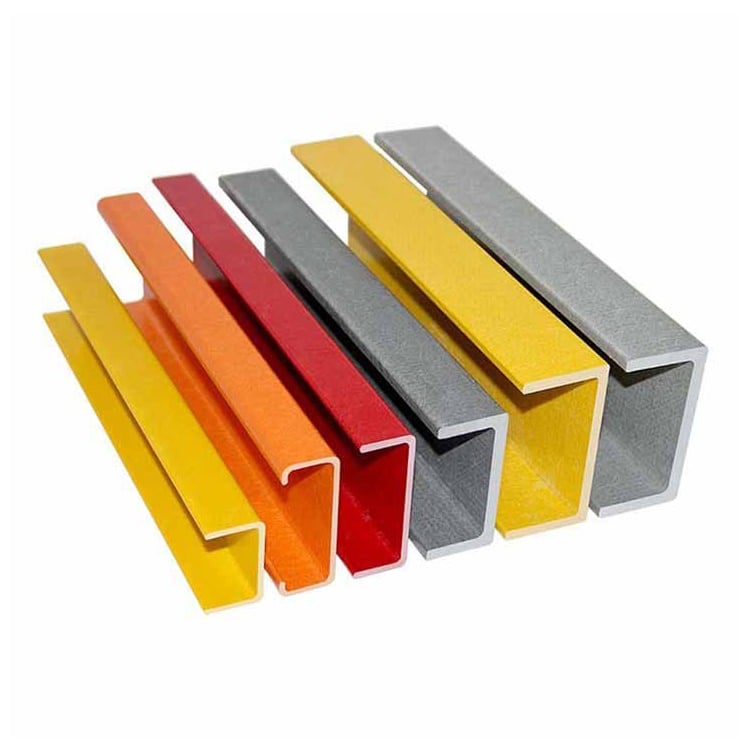
a legjobb mód a üvegszálas rúd vágására: az üvegszálas termékek értékükről híresek. Kiváló teljesítményük ellenére termékeink költséghatékonyak, és kiváló ár-érték arányt nyújtanak. Széles méretválasztékunk és testreszabási lehetőségeink segítségével ügyfeleink könnyen megtalálhatják az ideális megoldást igényeikhez. Akár standard üvegszálas profilra, akár egyedi tervezésű üvegszálas betonacélra van szüksége, képesek vagyunk különféle igényeket is kielégíteni. Összességében széles körű üvegszálas profilokat gyártunk, például csatornákat, L-alakú profilokat, csöveket, rudakat és egyéb egyedi formákat.
Üvegszálas termékeink rendkívül erősek, tartósak és sokoldalúan használhatók. Termékeinket fejlett technológiával és nagy minőségű anyagokból készítjük. Termékeink – legyen szó építőipari célra szolgáló legjobb módszerről a üvegszálas rúd vágására vagy ipari alkalmazásokhoz szükséges üvegszálas csőről – hosszú távon tartósak. Ezen felül termékeink könnyűek és tartósak, és számos felhasználási területre alkalmasak.
Copyright © Chongqing Dujiang Composites Co., Ltd. All Rights Reserved
 EN
EN