 EN
EN
Innovation in Composites: The Rising Demand for High-Performance Carbon Fiber Sheets
In the world of modern engineering and high-end aesthetics, few materials command as much respect as carbon fiber sheets. Once reserved for aerospace giants and Formula 1 racing teams, carbon fiber panels and CFRP sheets (Carbon Fiber Reinforced Polymer) have become accessible to manufacturers, hobbyists, and automotive enthusiasts alike.
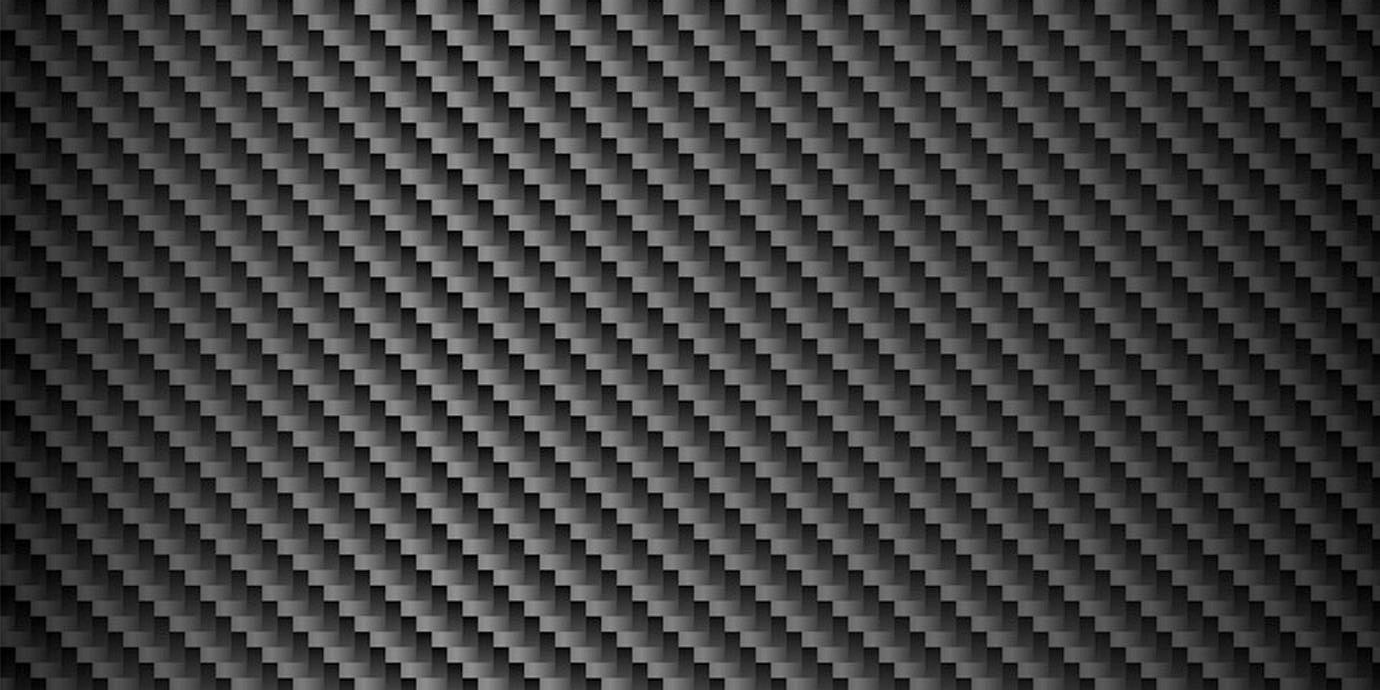
Whether you are looking to buy carbon fiber sheets for a lightweight structural project or seeking the unique marbled look of a forged carbon sheet, understanding the nuances of this material is key to a successful build.
What Makes Carbon Fiber Sheets the Gold Standard?
A carbon fiber laminate sheet is more than just a piece of plastic; it is a meticulously engineered composite. By weaving carbon filaments into a carbon fiber cloth sheet and saturating it with high-strength epoxy, manufacturers create carbon fiber plates that boast a higher strength-to-weight ratio than steel or aluminum.
Key Varieties of Carbon Fiber Material
Standard 3K Twill/Plain Weave: The classic "checkered" look often seen on real carbon fiber sheets.
Forged Carbon Fiber Sheets: Unlike traditional weaves, forged carbon fiber sheets use chopped fibers pressed into shape, creating a unique, stone-like aesthetic.
Carbon Kevlar Sheet: A hybrid material that combines the stiffness of carbon with the impact resistance of Kevlar, often appearing in yellow/black or blue/black patterns.
Unidirectional Carbon Fiber Sheet: All fibers run in one direction, providing maximum strength along a single axis—ideal for specialized structural reinforcement.
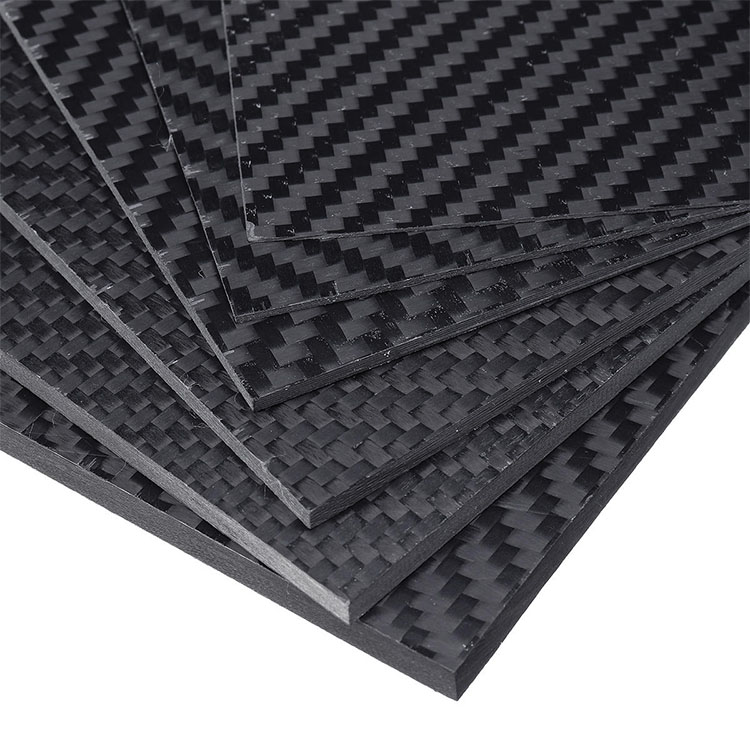
Choosing the Right Thickness: From 1mm to 10mm
Selecting the correct thickness is critical for both performance and budget. Carbon fiber sheet prices vary significantly based on the amount of raw material and the manufacturing process (such as prepreg carbon fiber sheets cured in an autoclave).
| Thickness | Common Applications |
| 0.5mm to 1mm carbon fiber sheet | Veneers, decorative overlays, thin carbon fiber sheets for electronics. |
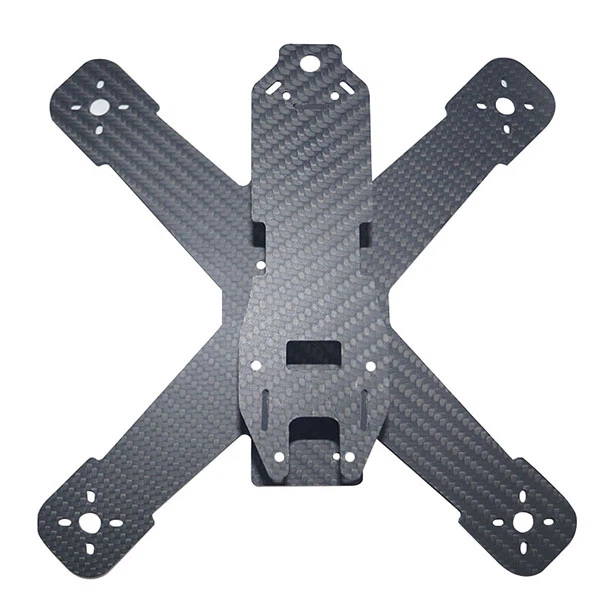
| 2mm to 3mm carbon fiber sheet | Drone frames, RC car chassis, and interior automotive trim. |
| 4mm to 5mm carbon fiber sheet | Heavy-duty brackets, industrial spacers, and mechanical components. |
| 10mm carbon fiber sheet | Structural baseplates and heavy machinery parts. |
For those needing a balance of flexibility and strength, a 2.5mm carbon fiber sheet is often the "sweet spot" for high-performance drone racing and robotics.
Large Scale Applications: The 4x8 Carbon Fiber Sheet
For industrial-scale projects, large carbon fiber sheets—specifically the 4x8 carbon fiber sheet—are the industry standard. These massive carbon fiber panels are used in:
1.Marine Bulkheads: Replacing heavy plywood with carbon fibre board.
2.Automotive Body Panels: Large-scale carbon fiber sheets for cars reduce curb weight and improve fuel efficiency.
3.Architectural Features: Using flat carbon fiber panels for sleek, modern interior design.
If weight is the primary concern for a large panel, many engineers opt for carbon fiber honeycomb panels. By sandwiching an aluminum or Nomex core between two carbon composite sheets, you achieve a carbon fiber honeycomb sheet that is incredibly rigid yet light enough to float.
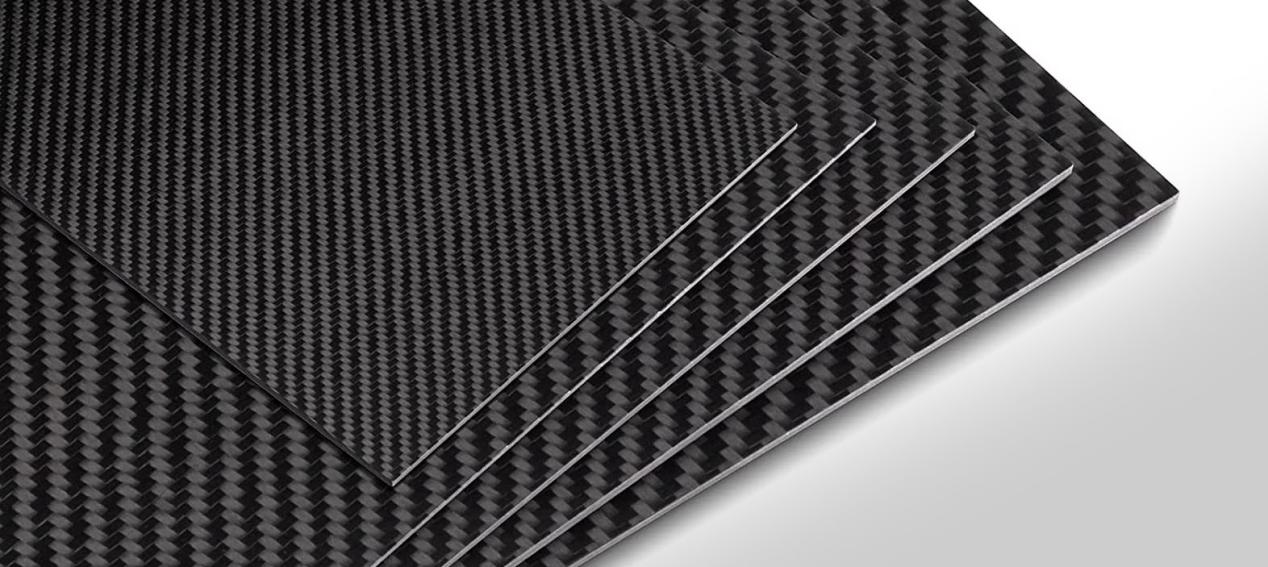
Aesthetics: Colored and Forged Options
While the black carbon fiber sheet remains the most popular, the market for colored carbon fiber sheets is exploding.
Blue carbon fiber sheet and red carbon fiber sheet options allow for personalized branding on consumer goods.
White carbon fiber sheet (often a silver-coated fiberglass or specialized weave) provides a futuristic "tech" look.
Dry carbon fiber sheet finishes offer a matte, textured feel that is highly coveted in the luxury car aftermarket.
Technical Considerations: Cutting and Fabrication
Working with carbon fiber plates for sale requires the right tools. Unlike carbon fiber abs plastic sheets, which can be easily molded, carbon fibre sheet 1000mm or larger requires precision.
Carbon Fiber Sheet Cutting Tips:
Use Carbide or Diamond Tools: Standard steel bits will dull almost instantly against carbon.
Dust Management: Cutting carbon fiber sheet produces fine conductive dust. Always wear a respirator and use a vacuum system.
Waterjet Cutting: For custom carbon fiber sheets, waterjet cutting is the preferred method to avoid heat delamination and ensure clean edges on a 3mm carbon fiber plate.
Where to Buy and What to Look For
When you search for a carbon fiber sheet supplier, it’s easy to get overwhelmed. It is crucial to distinguish high-quality carbon fiber sheets from cheap 'carbon fiber imitation' plastic sheets (such as ABS derivatives). Here are a few tips:
1.Void-Free Laminates: High-quality cfrp sheets should have no air bubbles between layers.
2.Consistency: The weave of a 3k carbon fiber sheet should be straight and undistorted.
3.Material Composition: Ensure the product uses high-quality epoxy carbon fiber sheets and resin rather than cheaper polyester resins.
Conclusion: The Future is Composite
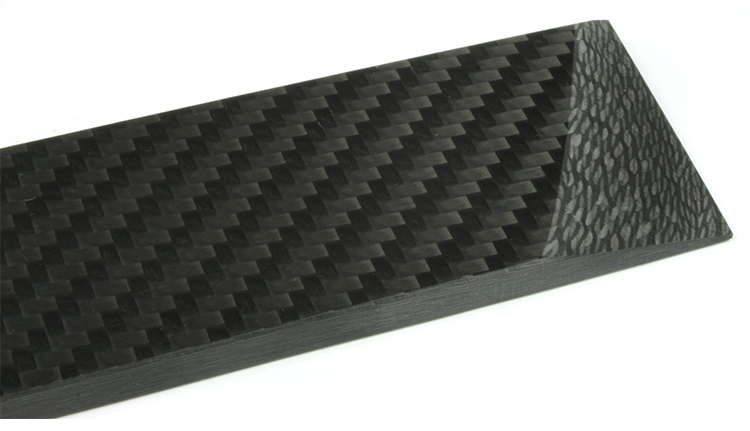
From flexible carbon fiber sheets that wrap around curves to thick carbon fiber sheets that support buildings, the versatility of carbon composite sheets is unmatched. As production methods improve, the carbon fiber sheet price continues to become more competitive, making it a viable option for everyday applications beyond just aerospace.
Whether you need a 12x12 carbon fiber sheet for a DIY project or a full 4x8 carbon fiber panel for industrial manufacturing, choosing the right grade and thickness will ensure your project is built to last.
Are you ready to elevate your next project? As a leading carbon fiber sheet supplier, we offer everything from 0.5mm to 10mm carbon fiber plates and custom honeycomb carbon fiber sheets.
Would you like me to generate a formal quote or a technical data sheet (TDS) for a specific thickness, like a 3mm or 5mm carbon fiber sheet?