 EN

Nos Habemus Plantas Fiberglass Pultrusas per Tres Stagiones. Hic Est Quod Reapse Importat
Three growing seasons sounds like a short time to someone outside composites. To me it is a long enough run to separate a decent profile from a liability. We started running Fustes plantarum fibrae glaseae on our pultrusion line in 2021, mostly for greenhouse and vineyard buyers, and the learning curve was steeper than I admitted at the time.
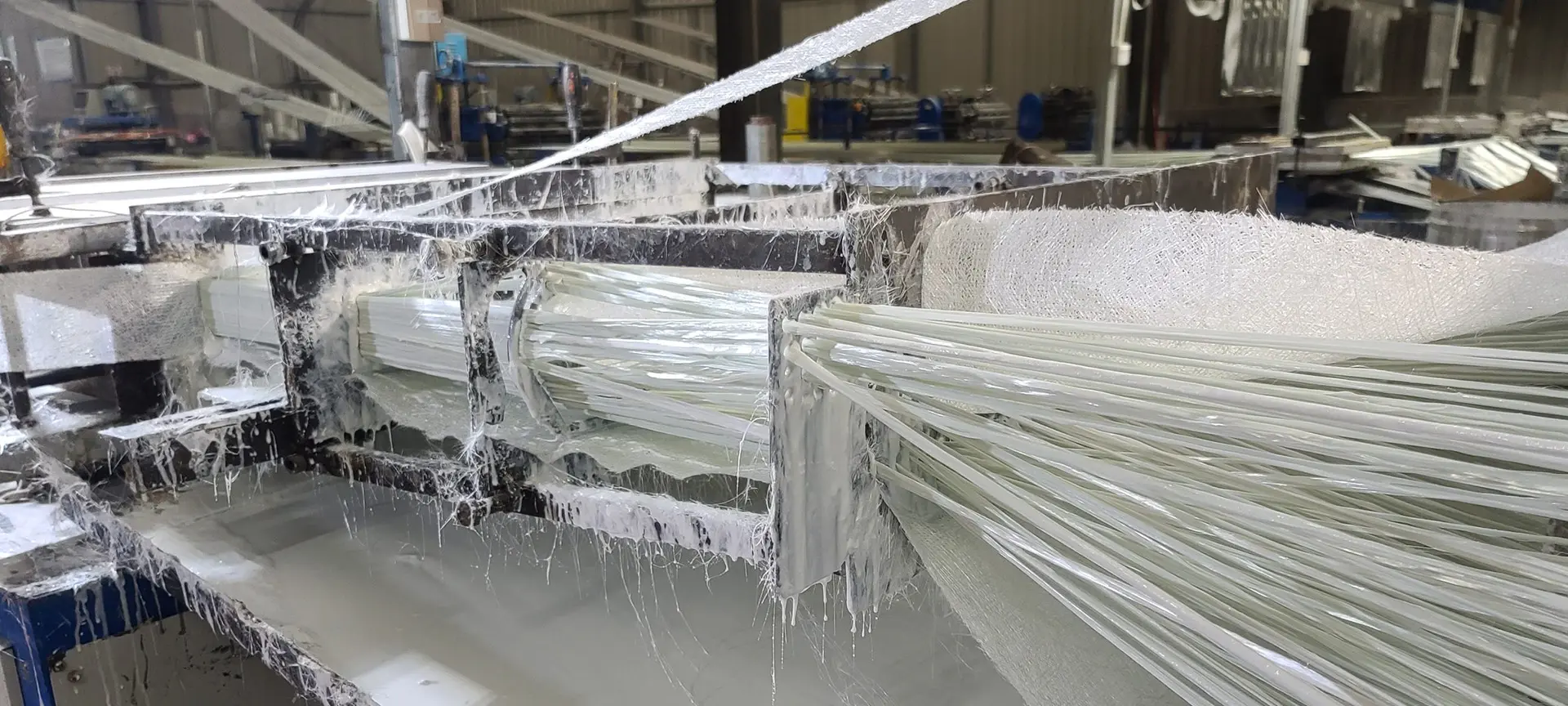
I've run pultrusion since the 1990s. Rods, tubes, utility poles, the lot. A stake looks simple. It is not. Fustes plantarum fibrae glaseae are mostly glass held in resin, and that mix is the whole story. The pull speed, the bath temperature, the catalyst, the roving tension, they all fight each other. Get one wrong and you get a stake that looks straight on the rack and goes wavy in the field.
Primum quod peccavimus fuit velocitas tractus. Nostra linea standardis de baculis movebatur ad celeritatem quae satis erat pro baculis solidis decem millimetrorum. Stipites aliud tempus curandi requirebant. Anno 2022, in vere, nimis cito movimus et una copia exivit cum cute molli. Non fragile, sed molli. Cliens in Shandong nos vocavit postquam plantae tomaticae inclinaverunt, quia stipites sub levi onere flexerunt. Reliquos a mercatu retraximus. Illa vocatio nobis unum camionem et unum finem hebdomadis costavit.
Postea lineam pro stipitibus retardavimus et secundam zonam infrarubram addidimus. Curatio aequabilior facta est. Rigiditas rediit. A fiberglass plant stake quae flectitur potius quam tenet inutilis est, et unica via ut sciamus est ut specimen oneremus, non oculis credamus.
Glass content is the number I watch now. We hold 65 percent E-glass by weight on our standard stake. Drop below 60 and the rod gets flexy. Push above 70 and it gets brittle and the line fights you with strand breakage. There is a sweet spot, and it is narrow. People who buy on price alone never see this number. They see the per-piece quote and miss the resin-to-glass ratio that decides whether the stake lives five years or one.
Surface finish is the quiet differentiator. A stake that comes off the die with a rough, resin-starved surface picks up dirt and UV damage faster. We switched to a chrome die and a light surface veil on the 2023 run. The veil is a thin polyester tissue that sits on the outside and seals the glass from weather. It sounds like a small thing. It adds a season or two of life in direct sun. I was skeptical until we pulled 2022 and 2023 samples side by side. The difference was obvious.
Color again. Fustes plantarum fibrae glaseae spend their working life outdoors, so a pigment that fades in one summer is a real defect, not a cosmetic one. We tested a green stake because buyers liked the look in a garden. The green pigment we used first faded patchy in one season under a Guangdong summer. We moved to a stabilized gray that holds. Garden centers care about looks on the shelf. Fields care about what the stake does after the sun owns it. Both matter, and they are not the same requirement.
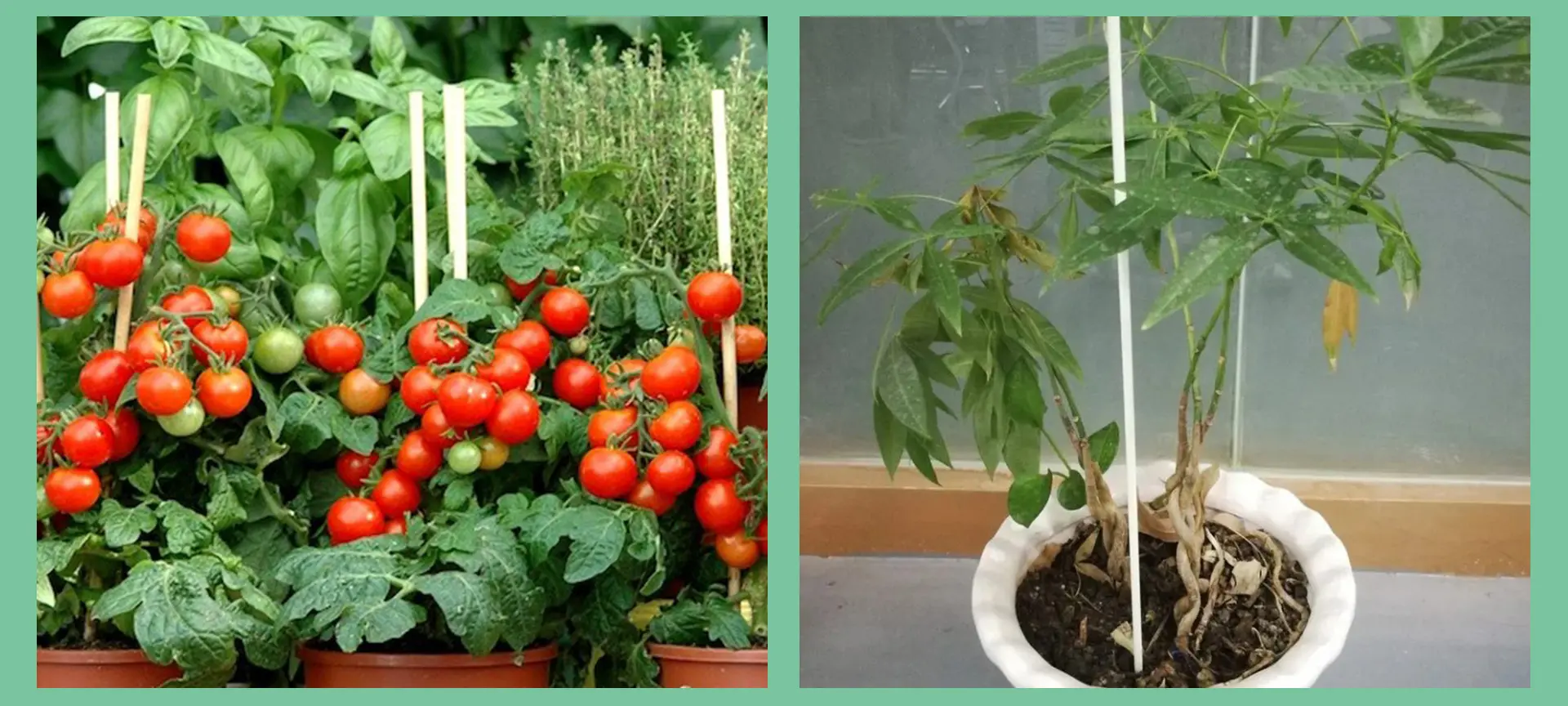
Diameter choices confuse new buyers. We make fustes plantarum fibrae glaseae from 6 to 16 millimeters. The 6 and 8 millimeter sizes sell to flower and seedling growers who tie light stems. The 12 and 16 millimeter sizes go to vineyards and young trees where the load is real. A common mistake is buying one diameter for everything. A tomato row does not need a 16-millimeter post, and a grapevine will laugh at an 8-millimeter one. Match the stake to the crop or you waste money both ways.
Length is the other lever. We cut stakes from 0.6 meter for tray work up to 3 meters for orchard support. The longer ones need a straighter tolerance because a 3-meter wave is visible from across the field. We hold plus or minus 2 millimeters on straightness for the long sizes. Short stakes can be a bit looser. Tightening the tolerance on everything just raises the price for no field benefit.
Tipping the stake changed our returns. We added a molded taper to one end so it drives into hard, dry ground without splitting. Before that, landscapers used a hammer and cracked the tips. Cracked tips mean water entry and early failure. Fustes plantarum fibrae glaseae with a cracked tip are a return waiting to happen, and the taper closed that door. The taper cost us almost nothing on the line and cut our damage claims on that SKU to near zero. Sometimes the fix is a shape, not a material.
Fustes plantarum fibrae glaseae necesse est etiam recta chymia pro solo in quo plantae sedent. Media serra acidum et solum agrarium alkalimum diversa resina adorant. Nos utimur polyester isophthalico pro usu communi et vinylester pro operibus acidis, ubi multa humectatio est. Vinylester carius est. Pro cultore qui continuo fertigationem agit cum pH parvo, hoc redditur. Pro siccis agris, hoc superfluum est. Malo dicere emptori se non indigere melioratione quam vendere ei eam quam non sentiet.
Nos omnes partus trahimus ad experimentum. Exemplar ex initio, medio et fine cursus flectitur ad angulum certum et examinatur pro recuperatione et rimis superficialibus. Si unum deficiat, cursus recensetur antequam mittatur. Haec est pars opusculi quae nullus photographat, quia taedet. Hoc tamen est quod impedit ut telephonum sonet pro querelis.
Storage matters more than buyers expect. A stake left in a wet bundle on the ground picks up moisture at the cut ends. We ship in bound bundles with caps and tell distributors to keep them off the soil. A distributor in Jiangsu ignored that and then wondered why the bottom layer went soft. The product was fine. The handling was not. We now print the storage note on the bundle wrap. Cheap fix, real difference.
I get asked why a buyer should care about any of this. Because the failure mode is silent. A wooden stake announces itself by leaning. A bad composite stake looks fine on arrival and fails in month seven, after the return window closed. The only protection is a supplier who controls the line and tests it. I've been burned by my own line enough times to respect that.
Three seasons in, I'm confident about what a good fiberglass plant stake est. Altum contentum vitreum, aequabilis curatio, superficies obsignata, diametrum aptum pro cultura, resina apta pro solo. Nihil horum est excitans. Omnia haec sunt causa cur stipula vel diuturna sit vel silentio deficiat. Erravi saepe per 35 annos. In hoc uno, data ex campo confirmant sententiam.
Si stipulas emis milibus, roga suppeditatorem tuum de contento vitreo et de genere resinae antequam de pretio roges. Pretium tunc sensum habebit, cum scieris quid intus sit. Stipula est res inscita. Quod intus est, non est.