 EN
EN

The Secret to Sturdy Greenhouse Structures: Why Fiberglass Rods Outperform Wood
For decades, wood has been the traditional backbone of backyard greenhouses and commercial "hoop houses." It’s accessible, familiar, and relatively cheap. However, as we move into an era of extreme weather patterns and a growing emphasis on sustainable, long-term gardening, the limitations of timber are becoming a costly burden for growers.
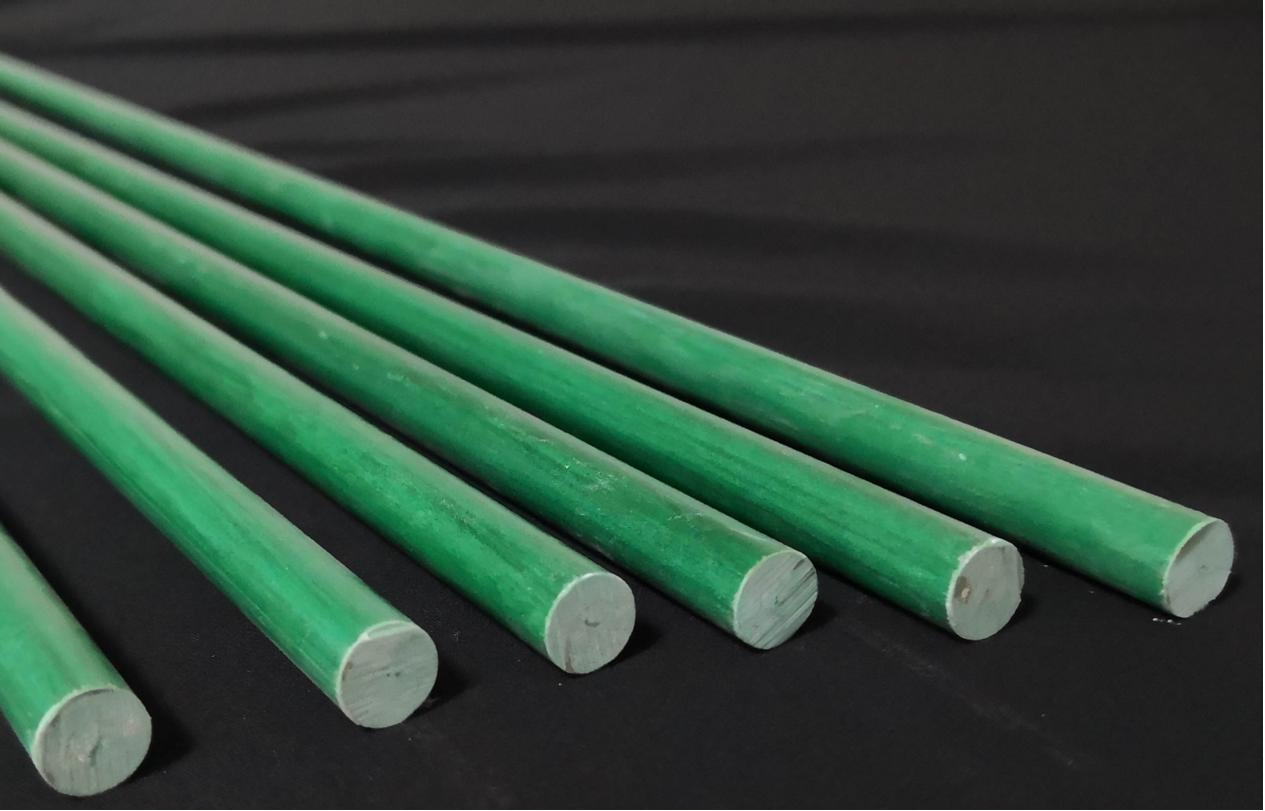
Modern horticulturists and professional greenhouse builders are shifting toward a "secret" material that has revolutionized the industry: Fiberglass Rods (GRP/FRP). If you are planning to build or upgrade your greenhouse in 2026, understanding the structural science behind fiberglass vs. wood is the key to protecting your harvest and your investment. Here is why fiberglass rods are the superior choice for sturdy, high-yielding greenhouse structures.
1. The Humidity Battle: Why Wood Eventually Fails
A greenhouse is, by design, an environment of extreme humidity, high temperatures, and constant condensation. For organic materials like wood, this is a death sentence.
The Rot Factor: Even pressure-treated lumber will eventually succumb to "ground rot" or fungal decay when exposed to constant moisture. In a greenhouse, water traps occur where the plastic film meets the frame, leading to premature structural failure.
Fiberglass is Inorganic: Fiberglass rods are made from a combination of reinforced glass fibers and thermosetting resins. They are completely immune to rot, mildew, and mold. Whether buried directly in the soil or exposed to 90% humidity, a fiberglass frame remains structurally identical on day 1,000 as it was on day
2. Structural Flexibility vs. Rigid Brittleness
When a storm hits or heavy snow accumulates, the "geometry of survival" for a greenhouse depends on how the frame handles stress.
The Wood Problem: Wood is rigid. Under heavy snow loads or high-velocity winds, a wooden frame can "snap" at the grain lines or joints. Once wood cracks, the entire structure's integrity is compromised.
The Fiberglass Advantage: High-quality pultruded fiberglass rods possess incredible flexural strength. In a "hoop house" or "high tunnel" design, fiberglass rods act like a powerful spring. They can bend into perfect arches to shed snow and wind, then return to their original shape without permanent deformation. This "dynamic resilience" allows fiberglass structures to survive wind speeds that would collapse a traditional wooden lean-to.
3. Chemical Purity and the Organic Growing Standard
For many greenhouse owners, the goal is to grow clean, organic produce. This is where wood presents a hidden danger.
Leaching Issues: To make wood last outdoors, it must be treated with chemicals like ACQ (Alkaline Copper Quaternary). Over time, these chemicals can leach into the soil—and subsequently your plants—especially in the warm, wet conditions of a greenhouse.
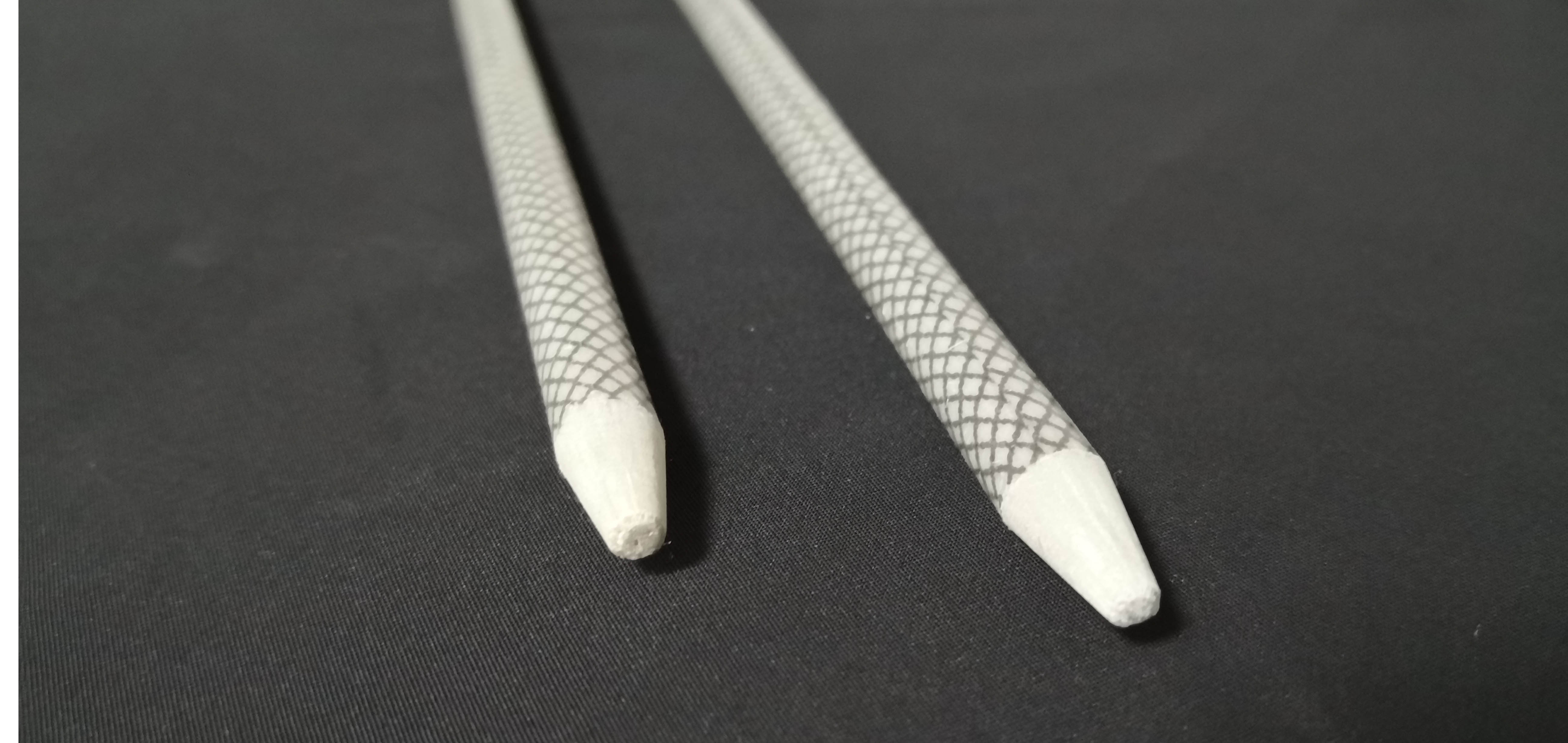
Inert Stability: Fiberglass is chemically inert. It does not off-gas, it does not leach toxins, and it does not react with fertilizers or soil nutrients. This makes fiberglass rods the "gold standard" for organic-certified growing environments where soil purity is non-negotiable.
4. Maintenance: The "Set It and Forget It" Reality
If you value your time, the maintenance requirements of your greenhouse frame are a major factor in its total cost of ownership.
Wood Maintenance: Wooden frames require annual inspections, sanding, and re-sealing or painting to prevent water ingress. Even with this care, the fasteners (screws and nails) often loosen as the wood swells and shrinks with the seasons.
Fiberglass Maintenance: Fiberglass rods require zero maintenance. They do not shrink or swell with humidity, meaning your hardware stays tight and your plastic covering stays tensioned. Modern fiberglass rods are also manufactured with UV-stabilized veils, protecting them from the sun's rays for 20+ years.
5. Better Light Transmission and Space Efficiency
Because fiberglass is significantly stronger than wood pound-for-pound, you can use thinner rods to achieve the same structural support as thick wooden beams.
Shadow Reduction: Thick 2x4 wooden rafters cast significant shadows inside a greenhouse, reducing the total "photosynthetic active radiation" (PAR) that reaches your plants.
Maximizing Sunlight: Slim, high-strength fiberglass rods minimize shadow lines. In the winter months, when every minute of sunlight is precious, a fiberglass frame can increase light penetration by 10-15% compared to a bulky timber frame.
6. Pest Resistance: Termites Don’t Eat Glass
In many regions, termites, carpenter ants, and wood-boring beetles are a constant threat to garden structures. A wooden greenhouse is essentially a "giant buffet" for these pests, especially since the warm, damp wood is their preferred habitat.
Fiberglass rods are entirely pest-proof. By removing the food source, you ensure that the only things growing in your greenhouse are the plants you intended to cultivate.
How to Choose the Right Fiberglass Rods for Your Greenhouse
When transitioning from wood to fiberglass, consider these three technical specifications:
Diameter: For small "low tunnels" (3-4 feet wide), a 1/4" to 3/8" rod is usually sufficient. For walk-in hoop houses (8-12 feet wide), a 1/2" to 3/4" rod provides the necessary tension and height.
Surface Finish: Ensure the frp rods have a smooth, "fiber-free" finish. This prevents the rods from snagging or tearing your expensive polyethylene greenhouse film.
Color: Many growers prefer white or light gray fiberglass rods, as they stay cooler in the sun and don't absorb heat that could damage the plastic film at the contact points.
Conclusion: A Future-Proof Investment
While the initial cost of high-quality fiberglass rods may be slightly higher than raw lumber, the Lifecycle ROI is incomparable. When you factor in the lack of replacement costs, zero maintenance time, and the protection of your organic soil, fiberglass emerges as the clear winner for the modern gardener.
Stop building greenhouses that rot, and start building structures that last.
Ready to Build Your Lasting Greenhouse?
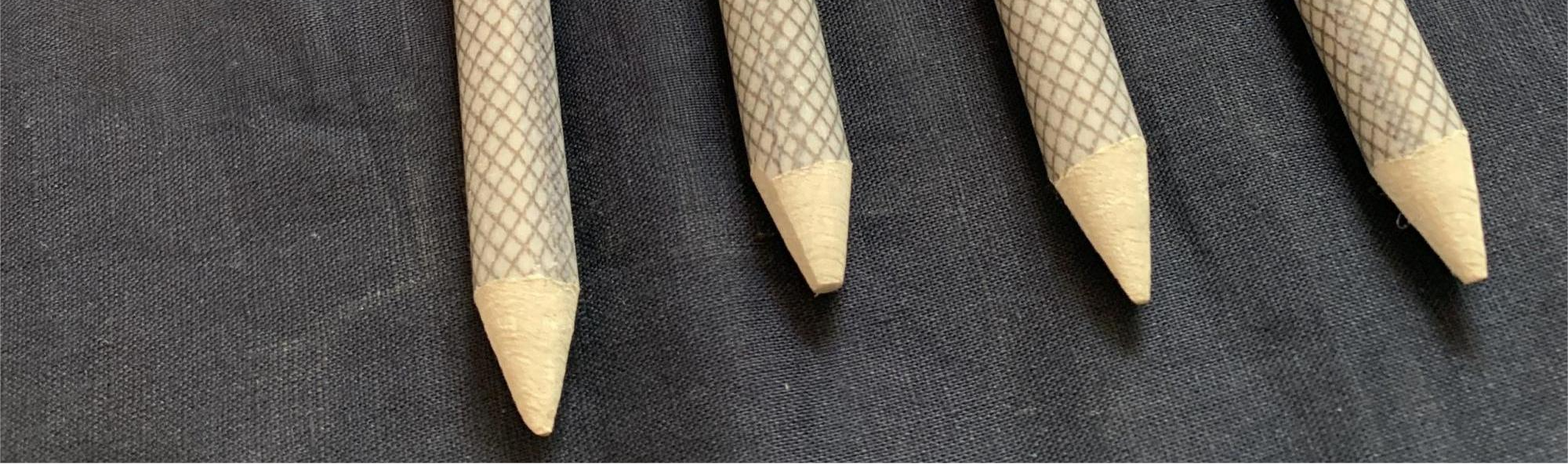
At CQDJ, we provide custom-cut, UV-resistant fiberglass rods specifically engineered for agricultural use. Our pultruded rods are designed to provide the perfect balance of flexibility and strength for any greenhouse design.