 EN
EN
Are Fiberglass Rods Conductive? 5 Critical Safety Facts You Need to Know
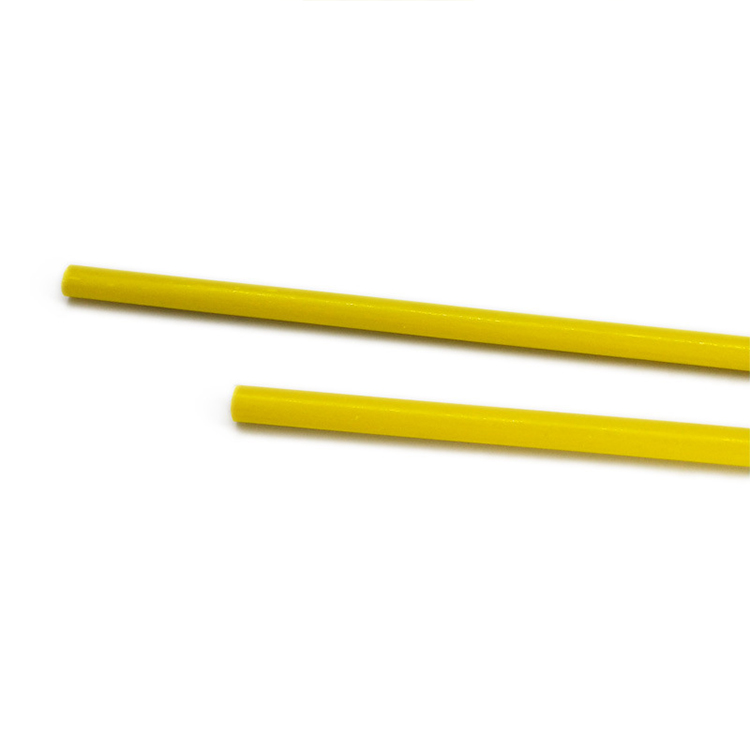
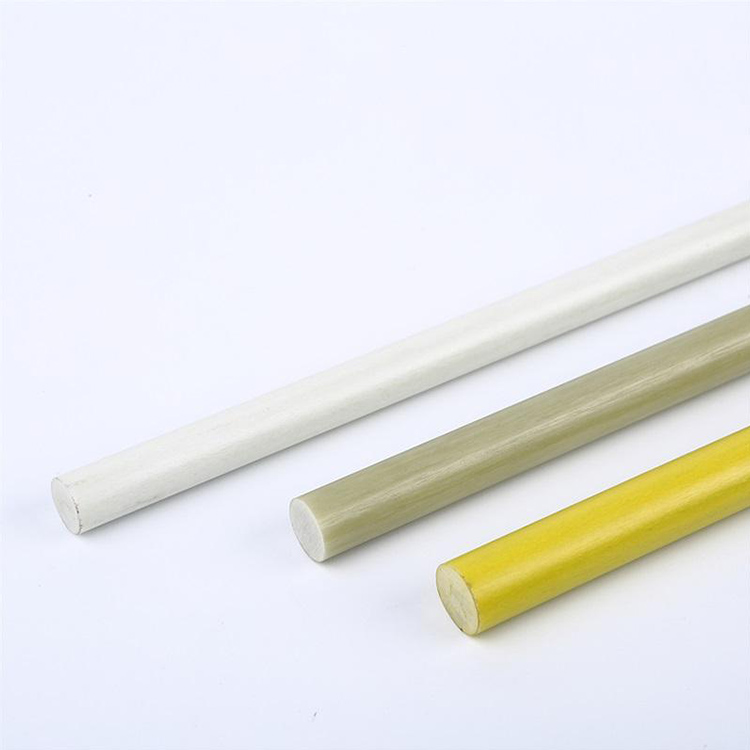
In the world of utility construction, telecommunications, and industrial engineering, fiberglass rods (often referred to as FRP or GRP rods) are celebrated as the ultimate non-conductive alternative to steel. Their high strength-to-weight ratio and natural insulating properties make them a staple for electrical duct rodders, hot sticks, and standoff insulators.
However, a dangerous misconception persists in the field: the belief that fiberglass is a "perfect" insulator under all conditions. While raw fiberglass is inherently non-conductive, real-world variables—ranging from environmental degradation to surface contamination—can turn a safe tool into a literal lightning rod.
Before you deploy fiberglass rods in high-voltage environments, you must understand these five critical safety facts regarding their electrical conductivity.
1. Material Purity: Not All Fiberglass is "Electrical Grade"
At its molecular level, fiberglass is composed of silica sand, which is a natural insulator. However, a fiberglass rod is a composite system consisting of glass fibers embedded in a resin matrix (usually epoxy, polyester, or vinyl ester).
The Resin Factor: The electrical resistance of a rod is only as good as the resin binding it. Low-quality resins or those with metallic-based fillers can compromise the rod's dielectric strength.
E-Glass vs. Others: Most structural rods use "E-glass" (Electrical Grade glass). While designed for insulation, the manufacturing process must be free of voids or air bubbles. Any internal "microporosity" can collect moisture, creating an internal path for electrical leakage.
2. The Danger of "Surface Tracking" and Contamination
The most common cause of electrical accidents involving fiberglass rods is not the material itself, but surface contamination. Even the highest-quality non-conductive rod can conduct electricity if its surface is compromised.
The Invisible Bridge: Dust, salt spray, grease, and metallic particles from a job site can settle on the rod. When combined with atmospheric humidity, these contaminants form a conductive "skin" on the outside of the rod.
Carbon Tracking: If a small spark or leakage current travels across a dirty rod, it can "carbonize" the resin. This leaves a permanent, microscopic trail of carbon—which is highly conductive. Once a rod has a carbon track, it is permanently unsafe for electrical use.
3. "Fiber Blooming" and the Wick Effect
Fiberglass rods are exceptionally durable, but they are not invincible to the sun. Prolonged UV exposure breaks down the polymer chains in the resin, a process known in the industry as "fiber blooming."
How it happens: The smooth resin surface erodes, exposing the raw glass fibers. These exposed fibers look like tiny white hairs.
The Wick Effect: These exposed fibers act like capillary tubes (wicks). They pull moisture, rain, and humidity into the core of the rod. Because water is a conductor, a "blooming" rod becomes a significant safety hazard in wet or humid conditions.
Pro Maintenance Tip: Regularly inspect your rods for a "fuzzy" texture. If the resin has eroded, the rod’s insulating value has plummeted.
4. Understanding Dielectric Breakdown Voltage
In technical specifications, you will often see a value for Dielectric Breakdown Voltage. This is the maximum electric field that a material can withstand before it fails and begins to conduct electricity.
It is a mistake to assume that because a frp rod is "non-conductive," it can handle any voltage. Every material has a limit.
Dry vs. Wet Limits: The dielectric strength of a fiberglass rod drops significantly when wet. A rod rated for 100kV/foot when dry might fail at 10kV/foot if it is damp or dirty.
Standards Matter: For professional safety, ensure your frp rods are tested according to ASTM D149 or equivalent international standards, which measure the dielectric breakdown of electrical insulating materials at commercial power frequencies.
5. The "Hybrid" Trap: Carbon Fiber Reinforcement
In the modern push for even stiffer and lighter tools, some manufacturers produce hybrid rods—a mix of fiberglass and carbon fiber.
This is a critical safety warning: Carbon fiber is a high-performance conductor. Even a small amount of carbon fiber used as a core reinforcement or a stiffening wrap renders the entire rod conductive.
Identify your tools: Never use a fiberglass rod for electrical work unless it is explicitly labeled as 100% Fiberglass or Non-Conductive.
Hardware Matters: Remember that the copper or steel ferrules and connectors used to join fiberglass rods are conductive. Ensure that the "creepage distance" (the distance electricity must travel over the surface of the insulator) is sufficient for the voltage you are working with.
Best Practices for Maintaining Safety
To ensure your fiberglass rods remain the life-saving insulators they were designed to be, follow these three industry best practices:
1.The Wipe-Down Rule: Before using any fiberglass rod near energized lines, wipe it down with a clean, dry, silicone-impregnated cloth. This removes surface moisture and dust.
2.UV Protection: Store your rods in protective bags or racks away from direct sunlight when not in use to prevent resin degradation and fiber blooming.
3.Annual Dielectric Testing: For utility-grade tools, perform annual electrical tests to verify that the internal integrity of the rod has not been compromised by age or invisible moisture ingress.
Conclusion
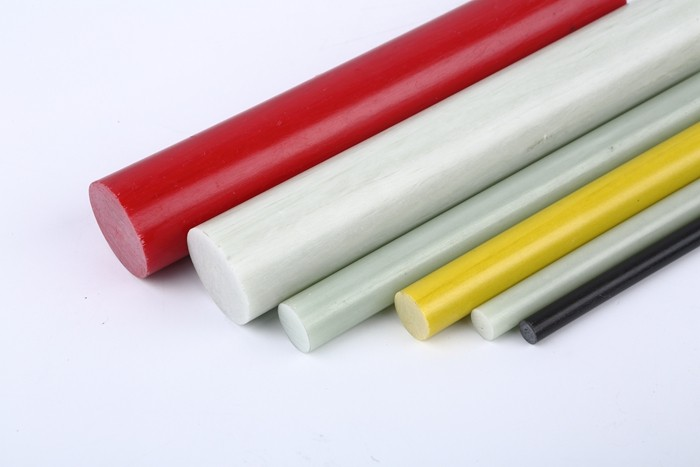
Fiberglass rods are the backbone of electrical safety, but they are tools, not magic wands. By understanding that factors like surface contamination, UV damage, and material grade dictate conductivity, you can protect your team and ensure the longevity of your equipment.
Looking for Certified Non-Conductive Solutions? At CQDJ, we specialize in high-performance pultruded fiberglass rods engineered with advanced UV-inhibitors and electrical-grade resins. Our products are rigorously tested to meet industrial safety standards.
[Browse our Electrical-Grade Fiberglass Catalog] or [Contact an Engineer for a Technical Consultation]