 EN
EN

Die Toekoms van Infrastruktuur: Hoekom Saamgestelde en Glasveselnutspluise die Globale Mark Oorheers
Soos wêreldwye kragnetwerke met die dubbele uitdagings van verouderde infrastruktuur en toenemend wisselvallige weerpatrone worstel, ondergaan die materiale wat ons gebruik om ons letterlike "lewenslyne" te ondersteun 'n rewolusie. Tradisionele hout-, staal- en betonpale is nie meer die enigste spelers op die terrein nie. Vandag, komposiet Utiliteitspolos —ook bekend as FRP (Veersterk-versterkte Polimeer)-pale—kom na vore as die goue standaard vir veerkragtige, langlaastende verspreidingsnetwerke.

In hierdie industrie-onderdompelingsartikel ondersoek ons hoekom nutsmaatskappye na glasvesel-kragpale beweeg en wat u moet weet oor inkopies en vervaardiging.
Wat is saamgestelde en glasveselnuts-pale?
ʼN Saamgestelde nuts-paal is 'n ingenieursmatig ontwerpte struktuur wat uit 'n harsmatriks bestaan wat met hoë-sterkte glasvesels versterk is. In teenstelling met hout, wat aan rotting onderwerp is, of staal, wat geneig is tot korrosie, is hierdie materiale chemies inaktief en buitengewoon sterk.
Sleutelterme in die bedryf:
FRP-nuts-paal: Veersterkte-polimer, die tegniese omslagterm.
Glasvesel-verspreidingspaal: Spesifiek ontwerp vir residensiële en kommersiële kraglyne.
Saamgestelde ligpaal / FRP-straatligpaal: Kleinskaal-pale wat gebruik word vir stedelike verligting en dekoratiewe infrastruktuur.
Hoekom die oorskakeling maak? Die kernvoordele
1. Oorheersende duursaamheid en lewensduur
Terwyl 'n behandelde houtpaal dalk 20 tot 30 jaar in ideale toestande sou laat gaan, is 'n glasveselelektriese paal geklassifiseer vir 'n dienslewe van 75 tot 80 jaar. Hulle is ongevoelig vir:
Biologiese bedreigings: Termiete, houtkappers en swamme.
Omgewingsbedreigings: Soutmis in kusgebiede en hoë humiditeit in tropiese klimaatgebiede.
Chemiese bedreigings: Suurreën en padoute.
2. Lig van gewig en maklike installasie
Asaamgestelde telefoonpaal weeg ongeveer 1/3 tot 1/4 van ’n vergelykbare houtpaal en ongeveer 1/10 van ’n betonpaal.
Invloed op ROI: Hierdie vermindering in gewig verminder vervoerkoste aansienlik en maak installasie op afgeleë 'nie-pad'-plekke moontlik met ligte toerusting of selfs helikopters, sonder die behoefte aan swaar kranse.
3. Elektriese Isolasie en Veiligheid
Veiligheid is van die allergrootste belang by kragverspreiding. Glasvesel-kragpale is van nature nie-geleidend. Hierdie inherente dielektriese sterkte bied 'n ekstra beskermingslaag vir lynwerkers en verminder die risiko van 'stap-en-raak'-potensiaal tydens foute of storms.
FRP-verligtingspale: Die nuwe standaard vir slim stede
Benewens hoogspanningslyne, het die FRP-straatverligtingspaal baie gewild geword in stedelike beplanning. Saamgestelde verligtingspale bied 'n strak, moderne voorkoms en is 'frangible'—wat beteken dat hulle ontwerp is om veilig weg te breek by voertuigbotsings, wat die erns van padkantongelukke verminder.
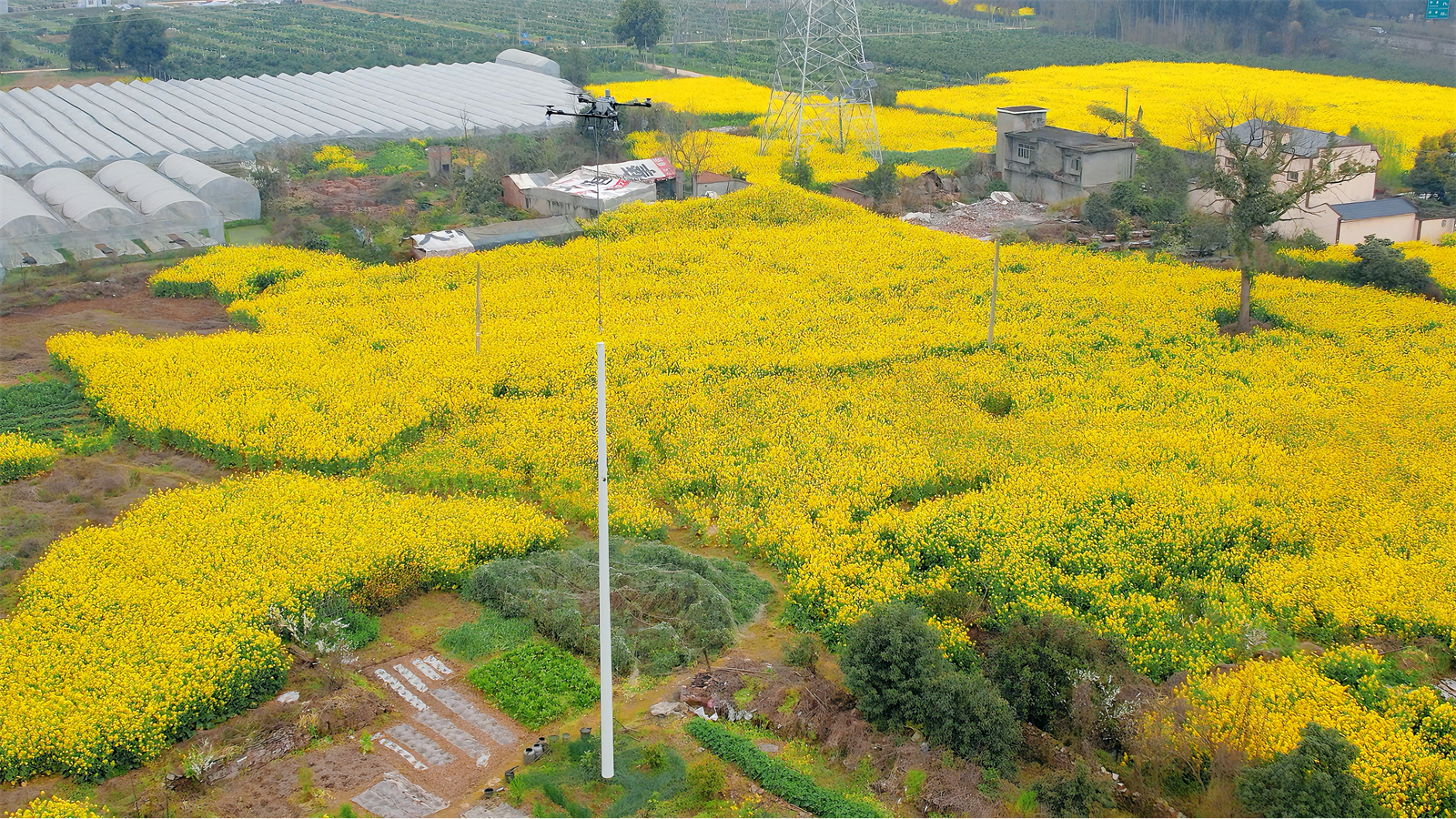
Verder, aangesien glasvesel nie interferensie veroorsaak met radiofrekwensies nie, saamgestelde ligpaaltjies is die ideale behuising vir 5G-kleinselle en slimstad-IoT-sensore.
Ontleding van die glasvesel-nutspaal-koste
Een van die mees algemene vrae wat inkopingsbeamptes stel, is: Is dit die premie werd?
Al is die aanvanklike glasvesel-nutspaal-koste hoër as hout (gewoonlik 1,5x tot 2x die prys van 'n behandelde houtpaal), is die Totale Eienaarskapskoste (TCO) aansienlik laer.
| Kenmerk | Houtpaal | Staalpaal | Saamgestelde (FRP) Paal |
| Aanvanklike Koste | Laag | Medium | Hoog |
| Onderhoud | Hoog (Inspeksies/Behandelings) | Medium (Verf/Roes) | Nul |
| Vervangingsiklus | 20–30 jaar | 40–50 jaar | 75+ jaar |
| Installasiekoste | Hoog (Swaar) | Hoog (Swaar) | Laag (Liggewig) |
Wanneer u die gebrek aan onderhoud, verminderde vervoerkostes en die uitkanseling van vervangingskostes oor ’n tydperk van 80 jaar in ag neem, is glasvesel die duidelike wenner vir langtermyn-infrastruktuurbelegging.
Vind Betroubare Vervaardigers van Saamgestelde Nutspale
Die mark vir FRP-produkte is gespesialiseerd. Wanneer u soek na vervaardigers van saamgestelde nutspale of 'n FRP-paalvervaardiger , is dit noodsaaklik om na spesifieke sertifikasies en vervaardigingsprosesse te kyk.
Wat om in 'n verskaffer te soek:
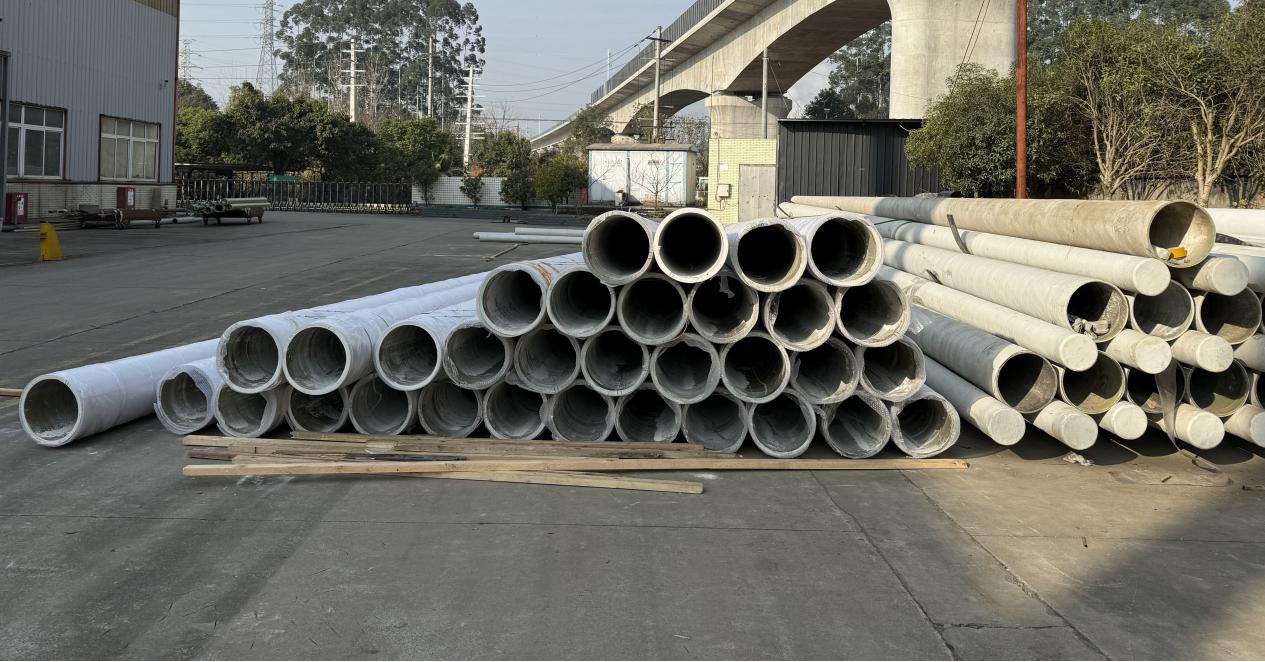
Vervaardigingsproses: Die meeste hoë gehalte saamgestelde kragpale word vervaardig deur middel van sentrifugale casting of draadwinding. Sentrifugale casting lei tot 'n gladde afwerking en hoë digtheid, terwyl draadwinding uitstekende longitudinale sterkte bied.
UV-beskerming: Maak seker dat die vervaardiger 'n hoë gehalte UV-bestandige sluier of bedekking gebruik. Sonder hierdie beskerming kan glasvesel oor dekades van sonblootstelling aan "veselopblomming" onderwerp word.
Standaard ooreenstemming: Soek na ASTM-, ANSI- of IEC-standaarde om te verseker dat die pale die vereiste windlasse en ysbelasting kan hanteer.
As ’n leidende frp straatligpaalvervaardiger , beklemtoon ons die belangrikheid van aanpassing—om verskeie kleure, hoogtes en boorgatepatrone aan te bied om spesifieke munisipale kodevereistes te bevredig.
Gevolgtrekking: 'n Veerkragtige keuse vir 'n veranderende wêreld
Die oorgang na glasvezel elektrisiteitskolpe is nie net 'n tendens nie; dit is 'n reaksie op die behoefte aan meer veerkragtige infrastruktuur. Of u nou soek na saamgestelde telefoonpale vir 'n plattelandse telekommunikasie-uitbreiding of fRP-verligtingspale vir 'n nuwe snelwegprojek, is die voordele van FRP onbetwisbaar.
Deur saamgestelde materiale te kies, belê nutsmaatskappye in 'n toekoms wat veiliger, meer volhoubaar en uiteindelik koste-effektiewer is.
Beplan u 'n projek vir die versterking van die elektrisiteitsnetwerk of 'n nuwe stedelike verligtingsopstelling?
Wil u dat ek 'n besonder gedetailleerde tegniese spesifikasieblad of 'n aangepaste kwotasie vir u spesifieke glasveselverspreidings paalvereistes verskaf?