
Fiberglass tubes, known for their strength and versatility, are widely utilized in various industrial applications, including construction and infrastructure projects. As a purchasing manager, distributor, or engineer, you may have specific concerns regarding performance, cost, and suitability for your projects. This article will provide insights into the cost factors, key specifications, common issues, installation guidance, and comparisons of fiberglass tubes to help you make informed purchasing decisions.
When considering bulk purchases of fiberglass tubes, multiple cost factors come into play. The primary consideration is material selection, as different grades of fiberglass can significantly affect pricing. Higher-quality materials may come with a higher upfront cost but offer greater durability and lower maintenance in the long run. Additionally, opting for products like GRP Structural Shape can enhance the overall performance of your projects.
Another key factor is the manufacturing process. Tubes produced via pultrusion or filament winding may differ in price due to the complexity and time involved in each method. Custom profiles tailored to specific applications may also incur additional costs, depending on the complexity of the design and the production volume.
Finally, logistical considerations such as packaging, shipping, and handling can impact the overall cost. Understanding the minimum order quantity (MOQ) is vital as it can lead to bulk discounts. Establishing a clear understanding of these factors will help you negotiate better pricing and make informed purchasing decisions.
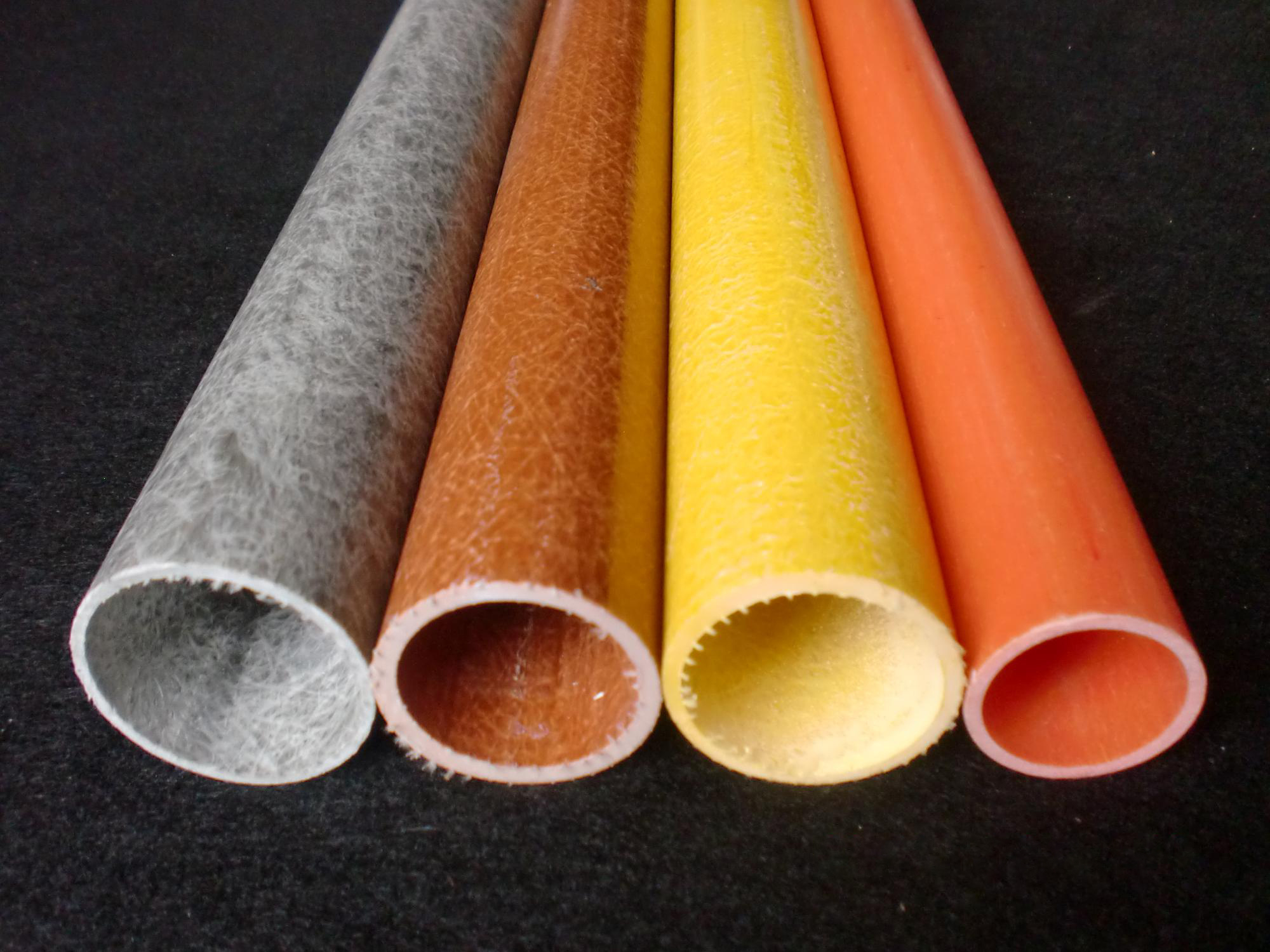
When sourcing fiberglass tubes, several specifications are crucial for ensuring the product meets your application requirements.
Diameter and Length: These dimensions determine the tube's compatibility with your systems. Ensure that the specifications align with the installation area and intended application.
Wall Thickness: This affects the tube's strength and load-bearing capacity. Thicker walls provide greater durability but may increase weight and cost. Assess the expected load and environmental conditions to determine the appropriate thickness.
Material Composition: Fiberglass tubes can be constructed from various resin types, such as epoxy or polyester. The choice affects chemical resistance and thermal stability. For example, epoxy-based tubes offer better heat resistance than polyester, making them suitable for high-temperature applications. If you're exploring different material options, consider incorporating Fiberglass Rebar in your projects for enhanced strength.
Finish and Surface Treatment: Consider whether a smooth or textured surface is necessary for your application. Smooth finishes are often easier to clean, while textured surfaces may provide better grip in certain installations.
Certification and Compliance: Ensure that the products comply with industry standards and regulations relevant to your application. This may include checks for safety, environmental impact, and performance.
Evaluating these specifications carefully will help ensure that the fiberglass tubes you select are fit-for-purpose and provide the necessary performance levels.
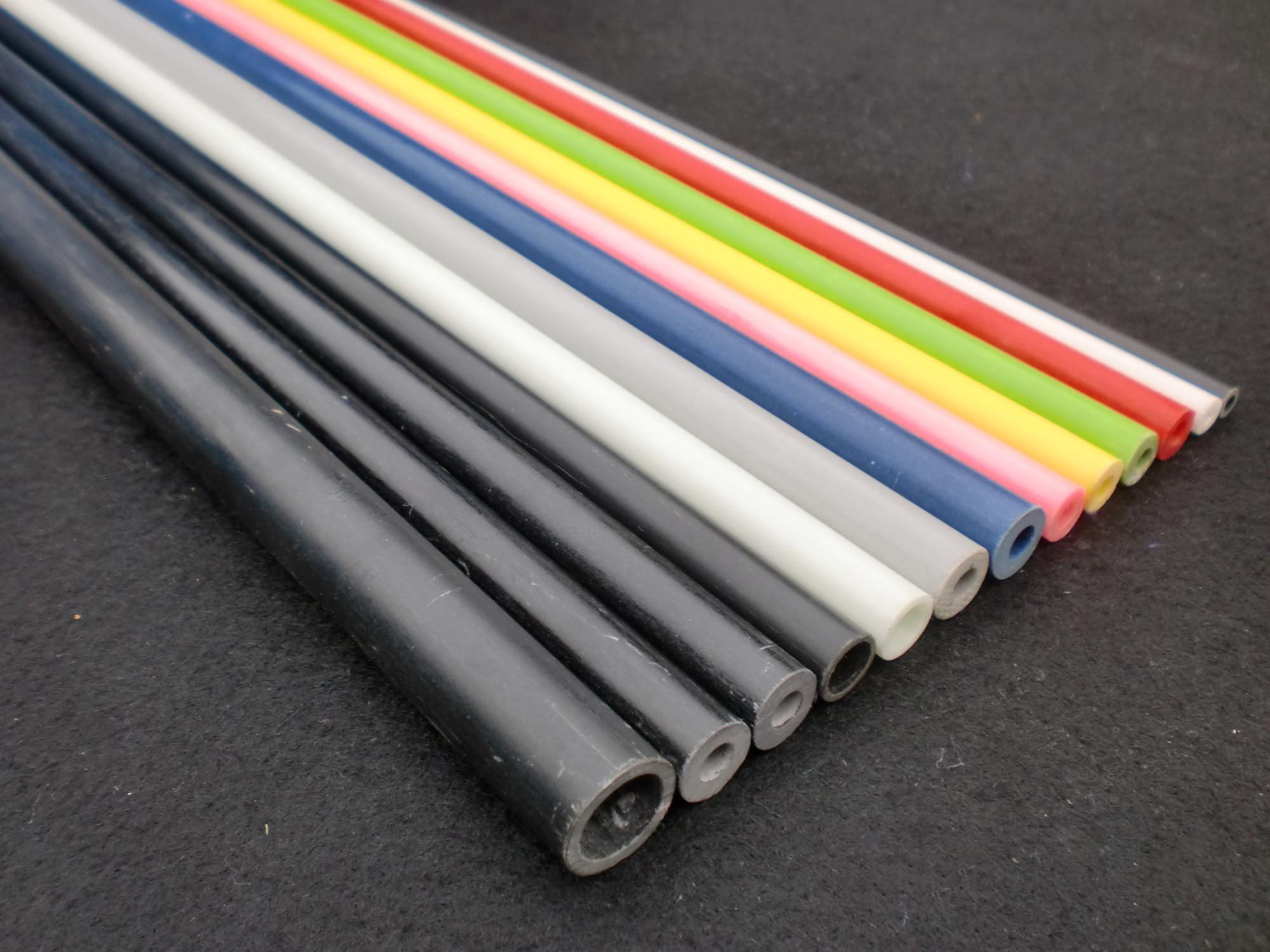
While fiberglass tubes are generally robust, they can encounter specific issues that may affect performance. Common problems include:
Delamination: This occurs when layers of the fiberglass separate, often due to improper curing or manufacturing defects. To mitigate this, ensure that your supplier adheres to strict quality control processes and can provide certifications for their products.
Cracking or Brittleness: Exposure to extreme temperatures or chemical environments can lead to brittleness. Selecting the appropriate resin type and ensuring that the tubes are rated for your specific conditions is crucial.
Moisture Infiltration: Fiberglass is generally resistant to moisture, but improper sealing can lead to water ingress. Verify that seals are in place and that the tubes are installed correctly to prevent leaks.
UV Degradation: Prolonged exposure to sunlight can degrade the resin in fiberglass tubes. If your application is outdoors, consider tubes with UV-resistant coatings or additional protective layers.
By addressing these common issues during the selection process, you can enhance the longevity and reliability of your fiberglass tubes.
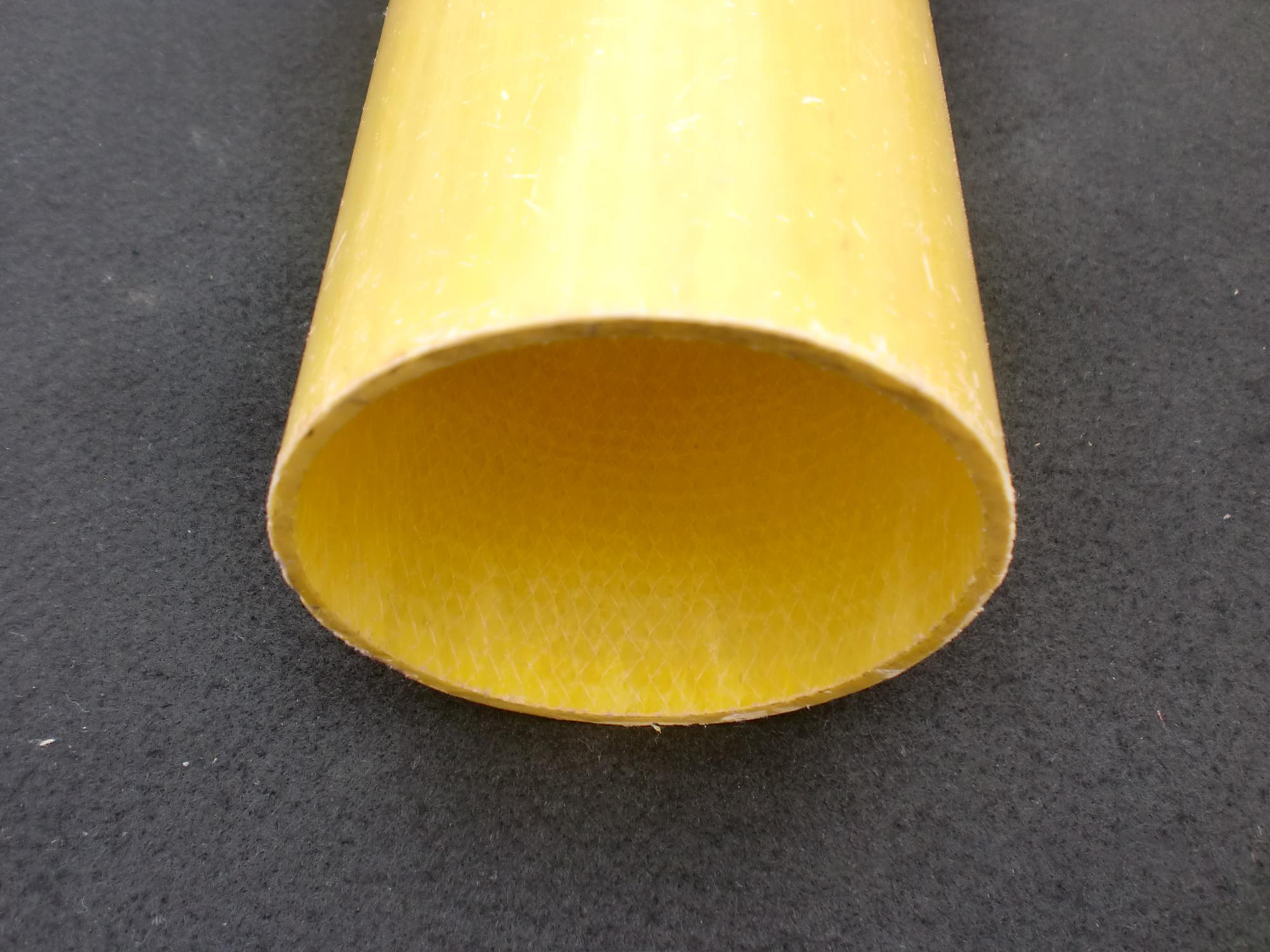
Proper installation is critical to the performance of fiberglass tubes in construction projects. Here are some practical guidelines:
Preparation: Ensure that all surfaces are clean and free from debris before installation. This helps achieve a secure fit and reduces the risk of damage.
Support Structure: Fiberglass tubes should be adequately supported throughout the installation process. Use brackets or clamps that are compatible with fiberglass to prevent sagging or bending during use.
Cutting and Fitting: When cutting fiberglass tubes, use appropriate tools to avoid fraying or damaging the edges. Ensure that all connections are secure, and consider using adhesives or coupling solutions recommended by your manufacturer for optimal performance.
Environmental Considerations: Be mindful of the installation environment. Fiberglass tubes should not be subjected to extreme temperatures or pressures beyond their specifications. Ensure that they are installed in line with the manufacturer’s guidelines for temperature and load.
Testing: After installation, conduct tests to ensure that the system is functioning correctly. Check for leaks, structural integrity, and adherence to safety standards before putting the installation into service.
Following these guidelines will help ensure a successful installation and maximize the longevity of your fiberglass tubes in construction projects.
We're committed in our ongoing development and research in order to improve our products. Our customers are regularly engaged and we continue to invest in improvement to keep our products in the forefront of their industry. The after-sales assistance as well as our technical expertise is unbeatable giving our customers confidence and peace of head in the performance of our fiberglass products. Our profiles are sold mostly to Southeast Asia and the Flexible fiberglass rodst that totals 60 countries.
Our fiberglass products are known for their low cost. Our products offer excellent value for Fiberglass sticks, despite their superior performance. Our wide selection of sizes and options allows our clients to discover the ideal solution to their specific needs. We can meet diverse needs in terms of a regular fiberglass profile design or a custom-designed fiberglass Rebar. In total, we can fabricate a range of fiberglass profiles, including tubes, rods and custom-designed designs.
The fiberglass we use is recognized for their 1 2 fiberglass rod durability, strength and adaptability. Our products are manufactured by using the latest techniques and quality materials. Our products, be it an aluminized rod to construct or a tubular of fiberglass to be used in industrial applications are designed to last. Our products are also lightweight and resist corrosion, making them perfect for many applications.
3 4 fiberglass rod commitment to quality and innovation is what sets us apart from other companies in the industry. With over 40 years of experience in the manufacture of fiberglass rods, profiles tubes, rebars, and other rebars, we are a reliable and trustworthy supplier. We distinguish ourselves from competitors due to our dedication to continuous improvement and client satisfaction. Transparency, transparency and open communication are essential to us. We want our customers to be informed and involved.
When evaluating different fiberglass tube options for industrial applications, consider the following aspects:
Manufacturing Process: Different processes such as pultrusion and filament winding produce tubes with varying characteristics. Pultruded tubes tend to have greater consistency in strength and dimensions, while filament-wound tubes may offer enhanced performance in specific applications.
Load Capacity: Assess the load-bearing requirements of your application. Some fiberglass tubes are designed specifically for high-strength applications, while others may be more suited for lightweight uses. Ensure that the specifications align with the anticipated operational conditions.
Chemical Resistance: Depending on the nature of the application, select tubes that offer adequate resistance to chemicals present in the environment. This may require consulting product data sheets or working with the manufacturer to confirm suitability.
Cost-Effectiveness: While some options may appear cheaper upfront, consider the total lifecycle cost, including maintenance and replacement. Higher-quality materials and manufacturing processes may lead to lower maintenance costs over time, providing better value.
Customization Capabilities: If your project requires specific dimensions or properties, inquire about the supplier's ability to create custom solutions. This is a significant advantage of working with specialized manufacturers like Chongqing Dujiang Composites Co., Ltd., who can tailor products to meet precise application needs.
By carefully comparing these factors, you can identify the most suitable fiberglass tube options for your industrial application, ensuring performance and reliability.
Copyright © Chongqing Dujiang Composites Co., Ltd. All Rights Reserved
 EN
EN