FRP fiberglass pipes are increasingly becoming a preferred choice in various industrial applications due to their exceptional strength, lightweight nature, and resistance to corrosion. As a purchasing manager or engineer, understanding key factors such as material properties, manufacturing processes, and supplier reliability is critical for making informed decisions. This article will help you navigate the complexities associated with selecting the right FRP fiberglass pipe for your project, ensuring quality, cost-effectiveness, and suitability for your specific needs.
Selecting the right FRP fiberglass pipe involves understanding your specific application requirements, including pressure tolerance, chemical exposure, and installation conditions. Here are some critical factors to consider:
Material Specifications: Fiberglass pipes are typically made from a composite of glass fibers and resin, which provides high tensile strength and rigidity. Ensure that the resin type is suitable for your intended environment—vinyl ester and epoxy resins offer superior chemical resistance compared to polyester resins.
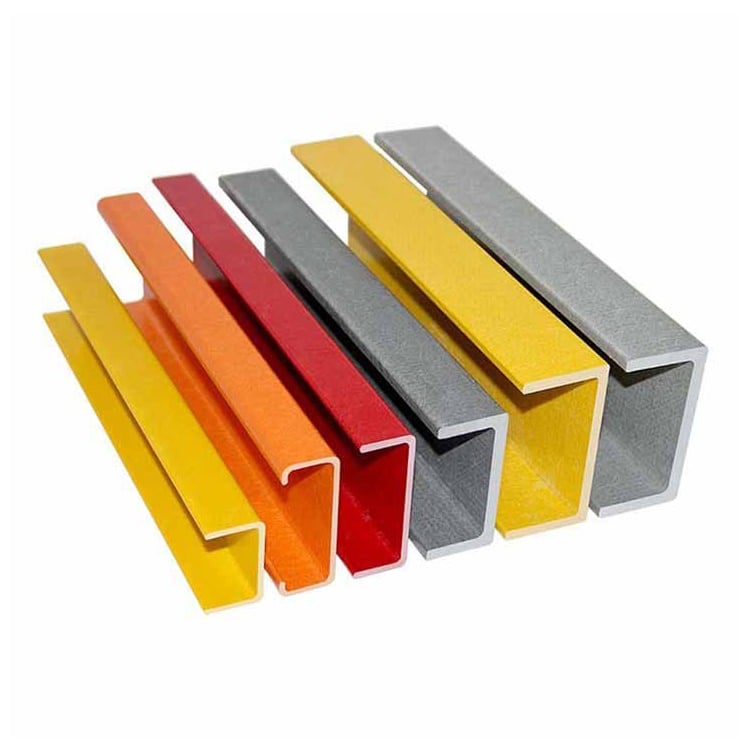
Dimensions and Thickness: The pipe's diameter and wall thickness should match the required flow rates and pressure ratings for your application. Consult the manufacturer for detailed specifications to ensure compatibility with existing systems. For example, companies that specialize in Fiberglass c channel manufacturers can provide tailored solutions.
Temperature and Pressure Ratings: Different fiberglass pipes can handle varying temperature ranges and pressure levels. It's essential to confirm that the chosen pipe can withstand the specific conditions of your application to prevent failures.
Standards and Certifications: Verify if the pipes meet relevant industry standards (like ASTM or ISO) for safety and performance. This ensures that the product has been tested for quality and reliability.
By focusing on these aspects, you can ensure that the FRP fiberglass pipe selected will meet your project’s technical and operational demands.
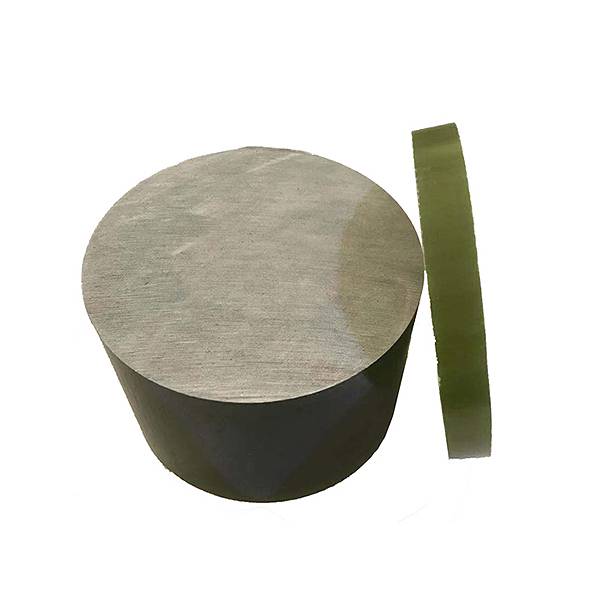
Quality control is paramount when procuring FRP fiberglass pipes, as inconsistencies can lead to operational failures and increased costs. Here are some key quality control measures to expect from a reputable supplier:
Raw Material Inspection: Manufacturers should conduct thorough testing of all raw materials, including glass fibers and resins, to verify compliance with specified quality standards.
In-Process Quality Checks: Continuous monitoring during the production process, including checks for wall thickness and resin saturation, can help ensure that the pipes meet specified tolerances.
Final Product Testing: Comprehensive testing should include hydrostatic tests to assess pressure tolerance and visual inspections for surface defects. Certification of compliance with industry standards should also be provided.
Track Record and Reputation: Research the supplier's history and customer feedback to gauge their commitment to quality and reliability. A supplier with extensive experience in the FRP market is likely to have established quality systems in place.
By prioritizing suppliers who implement robust quality control measures, you can minimize risks associated with your fiberglass pipe procurement.
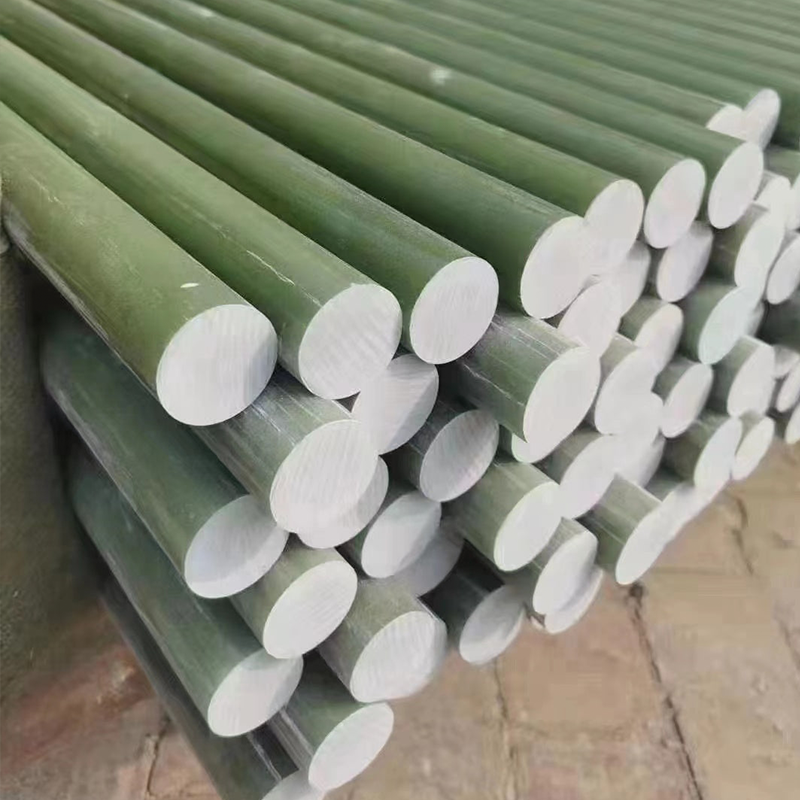
When evaluating the cost of FRP fiberglass pipes, several factors come into play, especially for bulk orders. Understanding these elements will help you make a more informed purchasing decision:
Material Costs: The type of resin and fiberglass used significantly impacts the overall cost. Higher-grade materials that offer better chemical resistance or strength may come at a premium but can reduce long-term maintenance and replacement costs.
Production Techniques: Different manufacturing methods, such as pultrusion or filament winding, can affect pricing. While pultruded pipes may have a higher upfront cost, they often provide superior structural integrity and lower lifecycle costs. Consider looking into Fiberglass Molded Grating Customizable Solutions for innovative options.
Order Quantity: Bulk orders often qualify for discounts due to economies of scale. Discuss minimum order quantities (MOQ) with suppliers to optimize pricing.
Shipping and Handling: Consider logistics costs, including shipping fees and handling charges. Proximity to the supplier can reduce transportation costs and improve lead times.
Customization: Customized pipe profiles or dimensions may incur additional charges. Ensure that any customization necessary for your application aligns with your budget constraints.
By analyzing these cost factors, you can better assess the total expenditure associated with your FRP fiberglass pipe order.

Finding reputable suppliers of FRP fiberglass pipes is crucial for ensuring quality and reliability. Here are some effective strategies to identify trustworthy manufacturers:
Industry Directories: Utilize online industry directories and platforms such as ThomasNet or Alibaba to find suppliers that specialize in fiberglass products. Look for companies with positive reviews and established histories.
Trade Shows and Expos: Attend industry trade shows and expos to connect with manufacturers directly. This presents an opportunity to evaluate products firsthand and discuss your specific needs with company representatives.
Networking: Leverage professional networks and industry associations to solicit recommendations for reliable suppliers. Colleagues or industry peers may provide insights based on their own experiences.
Request Certifications: Ensure potential suppliers provide relevant certifications and quality assurance documentation. This can include ISO certifications, product test results, and compliance with industry standards.
Trial Orders: If possible, place a smaller trial order to evaluate the supplier's quality and responsiveness before committing to larger orders.
By employing these strategies, you can enhance your chances of finding a trustworthy supplier that meets your project requirements.
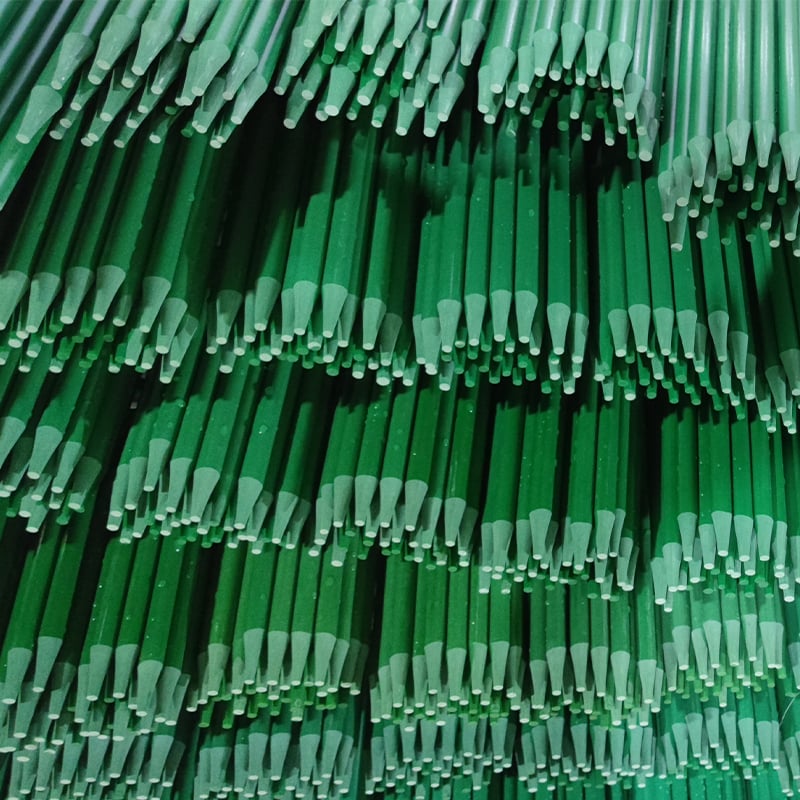
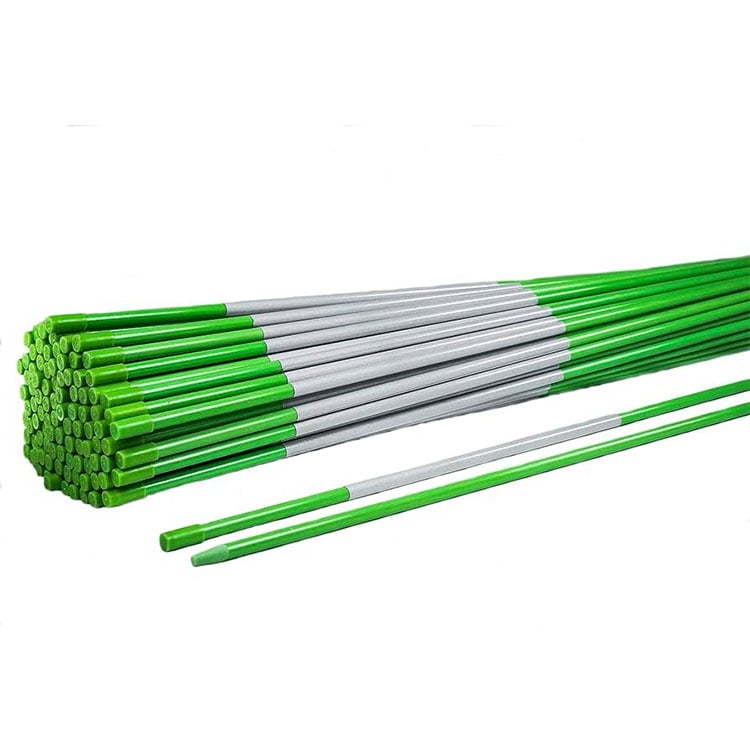
One of the key selling advantages of our fiberglass products is the cost-effectiveness. Our products are a great value for money, despite their 3 8 fiberglass rod. In addition, our vast selection of sizes and options allow our customers to find the perfect solution for their specific needs. It doesn't matter if it's a traditional fiberglass profile or custom-designed fiberglass Rebar, we have the ability to meet a variety of requirements. In total, We can fabricate a broad range of fiberglass profile, including channels, angles, tubes, rods, and many other shapes that are custom-designed.
Alongside our outstanding products, we're also committed to continuing development and research to expand our product offerings. We seek out feedback from our customers and make investments in continual improvement to ensure that our products are ahead of the industry. Our technical support and after-sales assistance are second to none providing our customers with peace of confidence. At present, our profiles are predominantly sold to Fiberglass sticks, the Middle East and North America, a total of 60 countries.
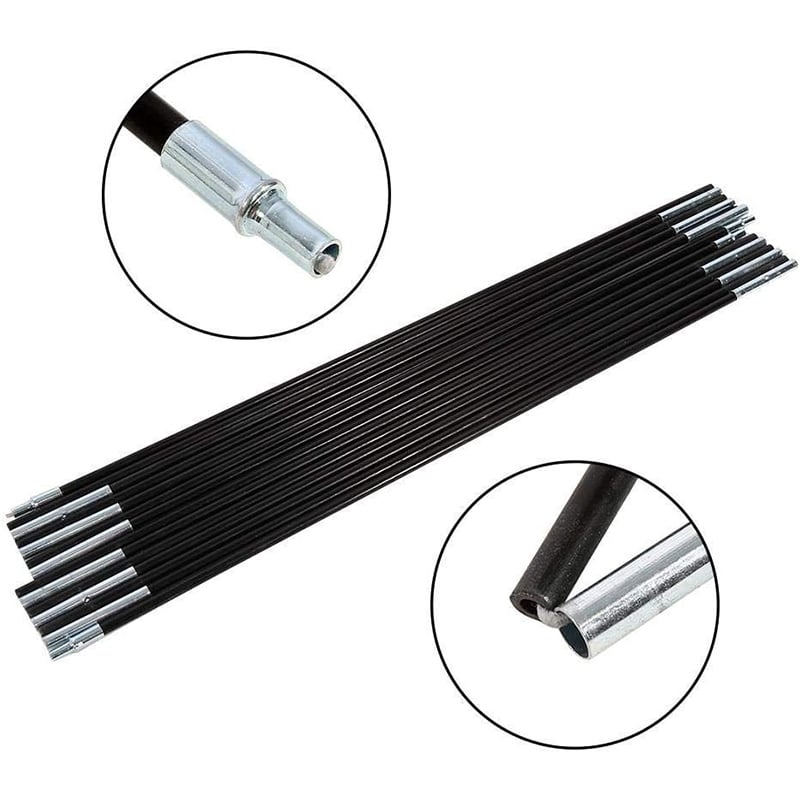
The fiberglass we use is recognized for their 1 2 fiberglass rod durability, strength and adaptability. Our products are manufactured by using the latest techniques and quality materials. Our products, be it an aluminized rod to construct or a tubular of fiberglass to be used in industrial applications are designed to last. Our products are also lightweight and resist corrosion, making them perfect for many applications.
Our dedication to Telescoping fiberglass pole and innovation sets us apart from other companies in the field. With over 40 years of experience in the production of fiberglass rods, profile profiles tubes, rebars and rods We are a reliable and trusted supplier. We stand out from our competitors due to our dedication to continuous improvement and customer satisfaction. Transparency and open communication is important to us. We want our clients to be aware and actively involved.
FRP fiberglass pipes offer a multitude of advantages, making them an excellent choice for various industrial applications:
Corrosion Resistance: Fiberglass pipes are highly resistant to chemicals and environmental factors, which extends their lifespan and reduces maintenance costs compared to traditional materials like steel or PVC.
Lightweight: The lightweight nature of FRP makes installation easier and reduces transportation costs. This can be particularly advantageous in large-scale projects where heavy materials pose logistical challenges.
High Strength-to-Weight Ratio: FRP pipes maintain high structural integrity while being lightweight, allowing for efficient load management and reduced support infrastructure requirements.
Thermal Insulation: The insulating properties of fiberglass help maintain temperature control in piping systems, reducing energy costs in temperature-sensitive applications.
Flexibility in Design: Manufacturers like Chongqing Dujiang Composites Co., Ltd. can offer custom profiles and dimensions, enabling tailored solutions that meet specific project needs. For example, you might explore options for Fiberglass Pultruded Grating for Walkways and Platforms to enhance your project.
Incorporating FRP fiberglass pipes in your industrial applications can lead to enhanced performance, reduced operational costs, and improved longevity of your systems.
By understanding the selection criteria, quality control measures, cost factors, supplier options, and advantages associated with FRP fiberglass pipes, you are better equipped to make informed purchasing decisions that align with your project requirements.
Copyright © Chongqing Dujiang Composites Co., Ltd. All Rights Reserved
 EN
EN