 EN
EN

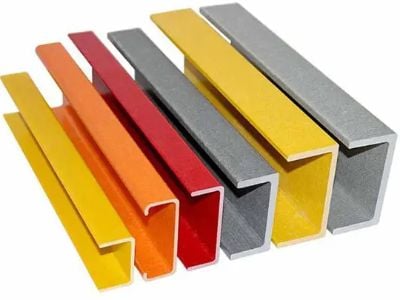
Sourcing woven carbon fibre tubes in bulk for European composite distributors requires careful consideration and a structured approach. This article presents a comprehensive bulk sourcing checklist for woven carbon fibre tubes, helping purchasing managers and distributors navigate the essential factors that influence their buying decisions. Key concerns for B2B buyers typically include product specifications, supplier reliability, and application suitability. By understanding these elements, readers can make informed decisions that align with their procurement needs.
What to Consider When Sourcing Woven Carbon Fibre Tubes Wholesale
When sourcing woven carbon fibre tubes wholesale, buyers should first assess the intended application to ensure compatibility. Different applications may require varying properties such as tensile strength, flexibility, and resistance to environmental conditions. Identifying the specific requirements of your projects is crucial for ensuring the selected tubes meet performance expectations.
Next, consider the manufacturing process. Woven carbon fibre tubes can be produced through various methods, including filament winding. Understanding these processes can guide buyers in evaluating the material's strength, weight, and durability, which are critical in applications such as aerospace, automotive, and construction.
Buyers should also evaluate the minimum order quantities (MOQs) and lead times. Different suppliers may have varying MOQs based on their production capabilities, which can impact purchasing decisions. It’s important to align these quantities with project timelines to avoid delays.
Lastly, ensure that suppliers have robust quality control processes in place. Ask for documentation of quality certifications and inspection processes to validate that the products meet industry standards.
Key Specifications for Woven Carbon Fibre Tubes in Bulk Orders
When ordering woven carbon fibre tubes in bulk, several key specifications must be confirmed to ensure the products meet your needs:
Material Composition: Different grades of carbon fibre can affect performance. Confirm the specific type and grade of carbon fibre used in the tubes, as this will directly influence their strength and weight.
Dimensions: Specify the required outer diameter, wall thickness, and length. These dimensions need to align with the intended application and must be consistent across batches for seamless integration into existing systems.
Tensile Strength: This specification defines the maximum load the tube can withstand before failing. Buyers should verify the tensile strength rating to ensure it meets the demands of their specific applications.
Weight: The weight of the tube affects handling and installation. Lighter options may be preferred in applications where weight reduction is critical.
Surface Finish: Depending on the application, the surface finish may be important for aesthetics or for ensuring compatibility with other materials. Clarify whether a specific finish is required.
Custom Features: If custom profiles are needed, discuss options with the supplier to ensure they can accommodate unique design specifications.
Confirming these specifications with potential suppliers will help ensure the woven carbon fibre tubes meet the necessary performance and application requirements.
Where to Find Reliable Suppliers for Woven Carbon Fibre Tubes
Identifying reliable suppliers for woven carbon fibre tubes involves several strategies. Start by leveraging industry networks and trade shows, which can provide valuable contacts and insights into reputable manufacturers. Engaging with industry associations or online forums dedicated to composites can also lead to recommendations.
Another effective approach is to conduct thorough online research. Look for manufacturers with a strong online presence, positive customer reviews, and comprehensive product listings. Supplier websites should provide detailed information on their manufacturing processes, quality standards, and certifications.
Requesting samples is an excellent way to assess product quality before making a bulk purchase. This allows buyers to evaluate the material's performance and suitability for their specific applications. Additionally, establishing direct communication with potential suppliers can clarify their capabilities and responsiveness to customer inquiries.
Lastly, consider suppliers with export experience, particularly those familiar with European regulations and standards, to ensure compliance and facilitate smoother transactions.
Installation Guidance for Woven Carbon Fibre Tubes in Projects
Proper installation of woven carbon fibre tubes is critical to achieving desired performance outcomes. Here are some essential guidelines:
Surface Preparation: Ensure that all surfaces where the tubes will be installed are clean and free from contaminants. This step is vital for ensuring proper bonding with other materials, especially if adhesives or fittings are used.
Tools and Equipment: Use appropriate tools for cutting and fitting the tubes. Carbon fibre can be challenging to work with, so specialized cutting tools may be necessary to achieve clean cuts without compromising structural integrity.
Handling: Handle woven carbon fibre tubes with care to avoid damage. While they are strong, they can be susceptible to impacts that could affect their performance.
Connection Methods: Depending on the application, various connection methods may be employed, such as adhesive bonding, mechanical fittings, or welding. Ensure that the chosen method is compatible with both the tube material and the application requirements.
Testing and Inspection: After installation, conduct thorough testing to ensure that the tubes perform as expected under operational conditions. This includes checking for any signs of stress or failure.
Following these installation guidelines can help ensure that your woven fiber glass pole perform optimally in their intended applications.
Applications of Woven Carbon Fibre Tubes in the European Market
Woven carbon fibre tubes are increasingly utilized across various industries in the European market due to their superior strength-to-weight ratio and versatility. Key applications include:
Aerospace: In aerospace applications, woven carbon fibre tubes are used for structural components, leading edges, and lightweight frameworks. Their high strength and low weight contribute to fuel efficiency and overall performance.
Automotive: The automotive industry employs woven carbon fibre tubes in performance vehicles for chassis components, body panels, and reinforcement structures, reducing overall vehicle weight while enhancing durability. Construction and Infrastructure: In the construction sector, these tubes are used for reinforcing structures, offering significant advantages in terms of strength without adding excessive weight. They are also employed in bridge and building applications where corrosion resistance is crucial.
Sports Equipment: Woven fiberglass threaded rod are widely used in high-performance sports equipment, such as bicycles, golf clubs, and protective gear, where strength and lightness are essential.
Marine Applications: In the marine sector, woven carbon fibre tubes are favored for their resistance to harsh environmental conditions, making them suitable for masts, hulls, and other structural elements in boats and yachts.
Understanding these applications can help distributors and purchasing managers target specific markets and tailor their sourcing strategies accordingly. This knowledge can also guide discussions with suppliers on product customization and performance specifications tailored to these industries.
Table of Contents
- What to Consider When Sourcing Woven Carbon Fibre Tubes Wholesale
- Key Specifications for Woven Carbon Fibre Tubes in Bulk Orders
- Where to Find Reliable Suppliers for Woven Carbon Fibre Tubes
- Installation Guidance for Woven Carbon Fibre Tubes in Projects
- Applications of Woven Carbon Fibre Tubes in the European Market