 EN
EN

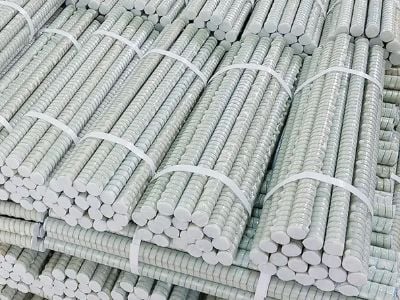
Selecting the right woven carbon fibre tube involves careful consideration of factors such as weave pattern, wall thickness, and surface finish. For B2B buyers, understanding these elements is crucial to ensure the product meets specific application requirements and quality standards. This article will guide you through the essential considerations when choosing woven carbon fibre tubes, helping you make informed purchasing decisions that align with your project needs.
How to Choose the Right Weave Pattern for Carbon Fibre Tubes
The weave pattern of carbon fibre tubes significantly influences their mechanical properties, appearance, and suitability for specific applications. Common weave patterns include plain, twill, and satin, each offering different benefits.
Plain Weave: This pattern provides a balanced blend of strength and flexibility, making it ideal for general applications where moderate strength and lightweight properties are required. It is often used in aerospace and automotive industries.
Twill Weave: Known for its aesthetic appeal, twill weave allows for more complex shapes and is often preferred for high-performance applications. It offers better resistance to cracking compared to plain weave, making it suitable for components subjected to dynamic loads.
Satin Weave: Offering the highest level of flexibility and strength-to-weight ratio, satin weave is ideal for high-stress applications. Its structure allows for greater impact resistance, making it a popular choice in the construction of sports equipment and high-end automotive parts.
When selecting a weave pattern, consider the intended application, load requirements, and the environment in which the tube will be used. Consulting with a manufacturer like Chongqing Dujiang Composites Co., Ltd. can provide valuable insights into which weave pattern is best suited for your specific needs.
What to Know
Before making a purchase, it’s essential to understand the implications of different weave patterns on the performance and durability of woven carbon fibre tubes. Factors such as the direction of the fibres and the overall architecture of the weave can drastically influence the tube’s strength, weight, and flexibility.
Additionally, consider how the weave pattern interacts with the manufacturing process. For example, some patterns may be more compatible with certain moulding techniques or resin infusion processes, which can affect the final product's quality. Always request detailed specifications and possibly samples to evaluate how the chosen weave pattern will perform in real-world conditions.
Evaluating Wall Thickness in Woven Carbon Fibre Tubes
Wall thickness is another critical factor that affects the strength, weight, and overall performance of woven fiberglass tubes and rods. Thicker walls generally provide greater strength and impact resistance, but they also increase weight, which may not be desirable in applications where minimizing weight is crucial.
Performance Requirements: When determining the appropriate wall thickness, consider the specific load requirements and environmental factors the tube will face. For example, a tube used in a high-stress environment may require a thicker wall to prevent deformation or failure.
Weight Considerations: In applications like aerospace and automotive manufacturing, where every gram counts, it’s essential to find a balance between sufficient wall thickness for strength and the overall weight of the component.
Customization Options: Many manufacturers, including CQDJ, offer customizable options for wall thicknesses. This flexibility allows you to tailor the product to your specific application requirements. When discussing customization, provide clear details about your application, including load factors and environmental conditions, to receive the most accurate recommendations.
A Buyer’s Guide
When purchasing woven solid fiberglass pole, there are several key specifications to consider:
Material Properties: Ensure that the carbon fibre used meets the required standards for your application, including tensile strength and modulus of elasticity.
Wall Thickness and Diameter: Clearly specify the required wall thickness and diameter. This information is crucial for ensuring compatibility with existing components and systems.
Surface Finish: Consider whether a specific surface finish is necessary for aesthetic reasons or to improve bond strength with adhesives or coatings.
Quantity and Lead Time: Determine the quantity you require and discuss lead times with your supplier. Custom orders may require longer production times.
Testing and Quality Assurance: Inquire about the quality control processes in place to ensure that the products meet the desired specifications. Request certifications that confirm compliance with industry standards.
When preparing for an RFQ, be sure to include all relevant specifications and application details to facilitate accurate pricing and timely delivery.
Installation Considerations for Woven Carbon Fibre Tubes in Projects
Proper installation is crucial to maximizing the performance of woven carbon fibre tubes. Here are some key considerations:
Compatibility with Existing Systems: Ensure that the tubes fit seamlessly with other components in your application. This may involve checking dimensions and tolerances.
Installation Techniques: Understand the recommended installation techniques for woven carbon fibre tubes. Depending on the application, you may need to use specific adhesives or bonding methods to achieve the desired strength and performance.
Environmental Factors: Consider the operating environment, including exposure to chemicals, moisture, and UV light, as these factors can influence the installation and long-term performance of the tubes.
Sample Testing: Before committing to mass production, conduct tests with samples to verify that the installation methods and materials meet performance expectations.
By taking these considerations into account, you can ensure that your woven carbon fibre tubes are installed properly, contributing to the overall success of your project.
In summary, selecting woven carbon fibre tubes requires a thorough understanding of weave patterns, wall thickness, and installation processes. By leveraging the expertise of manufacturers like Chongqing Dujiang Composites Co., Ltd. and following these guidelines, B2B buyers can make informed decisions that align with their specific needs and applications.