 EN
EN

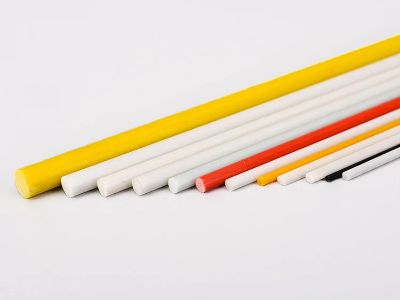
Fiberglass rods are essential components in various industrial applications, known for their strength, durability, and lightweight properties. The fiberglass rod production process is critical for ensuring dimensional consistency, which is a primary concern for OEM buyers. We will delve into the intricacies of the fiberglass rod production process, highlight what buyers should know, address common sourcing problems, suggest reliable supplier sources, and explain the advantages of fiberglass materials in industrial applications.
Understanding the Fiberglass Pultrusion Rod Production Process
The fiberglass process involves drawing continuous fiberglass strands through a resin bath and then into a heated die where the resin cures, resulting in a solid rod. This process ensures that the fiberglass is aligned in the direction of the pull, enhancing its tensile strength. Key aspects of the production process include:
Material Selection: High-quality fiberglass strands and resin formulations are crucial for achieving desired mechanical properties. The choice of resin can affect curing time, strength, and thermal stability.
Dimensional Control: During, maintaining consistent dimensions is vital. Factors such as die design, pull speed, and resin viscosity play significant roles in achieving precise measurements.
Cooling and Curing: After exiting the die, fiberglass extension pole must be cooled and cured adequately to ensure optimal performance. This stage is critical; if the curing process is not controlled correctly, it can lead to inconsistencies in strength and appearance.
For OEM buyers, understanding this process is essential, as it directly impacts product quality and application suitability.
What Buyers Should Know?
When sourcing fiberglass rods, buyers should consider various specifications and requirements to ensure they select the right product for their applications:
Specifications: Confirm the dimensions, weight, and tensile strength required for your application. Different applications may demand varying specifications, such as diameter, length, and profile.
Customization Needs: Many manufacturers, including Chongqing Dujiang Composites Co., Ltd., offer custom profiles. Buyers should clearly communicate their specific needs to ensure the fiberglass bar meets operational requirements.
Quality Assurance: Look for suppliers that implement rigorous quality control processes. This may include testing for tensile strength, dimensional accuracy, and surface finish. Certification of materials can also provide assurance of quality.
Buyers should prepare to discuss these details when requesting quotes from suppliers.
Common Problems in Fiberglass Rod Sourcing and Their Solutions
Sourcing fiberglass rods can come with challenges. Here are some common issues and how to address them:
Inconsistent Dimensions: Variability in production can lead to discrepancies in dimensions. Buyers should request samples to evaluate dimensional consistency and ensure that the manufacturer can meet their specifications consistently.
Material Quality: Inferior materials can compromise the strength and durability of fiberglass rods. It is wise to inquire about the source of the fiberglass and resin, as well as the manufacturer's quality assurance processes.
Lead Times: Delays can occur due to solid fiberglass rods issues or material shortages. Establish clear timelines and contingency plans with your supplier to manage your project schedules effectively.
By understanding these potential problems, buyers can better navigate the sourcing process and establish a productive relationship with their suppliers.
Where to Find Reliable Suppliers for Fiberglass Pultrusion Products?
Finding reputable suppliers for fiberglass rods is crucial for ensuring quality and reliability. Here are some strategies to identify trustworthy manufacturers:
Industry Directories: Utilize industry-specific directories and trade associations. These platforms often include verified manufacturers with established reputations.
Trade Shows and Exhibitions: Attending industry events is an excellent way to meet suppliers, view their products, and discuss capabilities firsthand.
Online Reviews and Testimonials: Research suppliers by looking at customer feedback and case studies. Reputable manufacturers often showcase client testimonials and success stories that highlight their strengths.
Chongqing Dujiang Composites Co., Ltd. is an example of a manufacturer known for its high-quality fiberglass products and custom solutions. Engaging with suppliers who actively promote transparency and customer service can significantly enhance your sourcing experience.
The Advantages of Fiberglass Materials in Industrial Applications
Fiberglass materials offer several advantages that make them ideal for various industrial applications:
Corrosion Resistance: Fiberglass is inherently resistant to many chemicals and environmental factors, making it suitable for use in harsh conditions. This property is particularly beneficial for applications in chemical processing and marine environments.
Strength-to-Weight Ratio: Fiberglass rods provide an excellent strength-to-weight ratio, which is advantageous in applications where weight reduction is critical without sacrificing performance.
Electrical Insulation: Fiberglass is a good electrical insulator, making it suitable for applications in electrical or electronic components where conductivity must be minimized.
Understanding these material properties will help buyers make informed decisions regarding application suitability and long-term performance when sourcing fiberglass rods. By focusing on these key areas, OEM buyers can navigate the fiberglass rod production process more effectively, ensuring they acquire products that meet their specific needs and quality standards.