 EN
EN

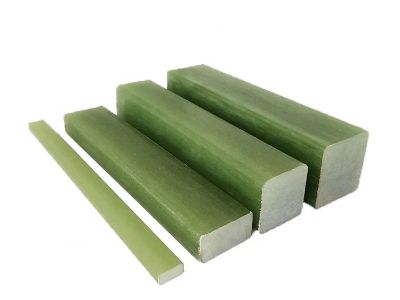
Fiberglass rods have gained significant popularity in various industries, primarily due to their superior corrosion resistance compared to traditional steel. This article explores why fiberglass rods are preferred over steel for corrosion-resistant structural parts, addressing key concerns for B2B buyers such as cost-effectiveness, sourcing reliable suppliers, and application suitability.
What Makes Fiberglass Pultrusion Rods a Cost-Effective Alternative to Steel?
Fiberglass rods offer several cost advantages over steel, particularly in applications exposed to harsh environments. The primary cost-saving factors include:
Corrosion Resistance: Unlike steel, fiberglass does not rust, leading to lower maintenance costs and longer service life. This aspect is crucial in industries like construction and infrastructure, where structural integrity is paramount.
Weight Reduction: Fiberglass rods are significantly lighter than steel, reducing transportation costs and easing installation processes. A lighter structure can lead to savings in related support and foundation requirements.
Customizable Profiles: Manufacturers, such as Chongqing Dujiang Composites Co., Ltd., can produce fiberglass rods in various profiles tailored to specific applications. This customization minimizes waste and optimizes resource usage, contributing to overall cost-effectiveness.
Low Thermal Conductivity: telescoping fiberglass pole has low thermal conductivity, reducing heat transfer and potentially lowering energy costs in applications where temperature control is critical.
Longevity: The durability of fiberglass rods translates to fewer replacements over time, providing a competitive edge in lifecycle cost analysis compared to steel.
Where to Source Reliable Suppliers for Fiberglass Rods in Bulk?
Finding reliable suppliers for fiberglass rods involves several considerations:
Industry Reputation: Look for manufacturers with a proven track record, such as CQDJ, known for their stringent quality control processes and commitment to customer satisfaction.
Certifications and Compliance: Verify that the supplier complies with industry standards and holds relevant certifications, which can assure product quality and safety.
Production Capabilities: Evaluate the supplier’s manufacturing capabilities and equipment. Advanced processes, like and filament winding, are essential for producing high-quality telescopic fiberglass pole rods.
Customization Options: A supplier offering custom profiles can better meet specific project requirements, enhancing the product's applicability.
Lead Times and MOQ: Understand the lead times and minimum order quantities (MOQ) that suppliers have in place. A reliable supplier will provide clear timelines and flexibility to accommodate different project sizes.
Pros and Cons
Pros
Corrosion Resistance: Fiberglass rods excel in environments where moisture and chemicals are prevalent.
Lightweight: Easier handling and installation than steel.
Customization: Tailored solutions can enhance performance for specific applications.
Low Maintenance: Reduced need for protective coatings and repairs.
Cons
Initial Cost: Higher upfront costs compared to steel can deter some buyers, despite long-term savings.
Brittleness: Fiberglass can be more brittle than steel, requiring careful handling during installation.
Limited Load Capacity: For certain applications, steel may still provide superior load-bearing capabilities.
Installation Guidance for Fiberglass Rods in Corrosion-Resistant Applications
When installing fiberglass rods, consider the following guidelines to ensure optimal performance:
Surface Preparation: Ensure that surfaces are clean and free of debris. Proper surface preparation can enhance bonding when fiberglass rods are used in conjunction with adhesives or other materials.
Handling Precautions: Due to the potential brittleness of fiberglass sticks, handle rods with care to avoid chipping or cracking. Use appropriate lifting equipment for larger rods.
Compatible Fasteners: Use non-corrosive fasteners, such as stainless steel or nylon, to prevent galvanic corrosion at the connection points.
Installation Environment: For installations exposed to extreme temperatures or chemical exposure, confirm that the selected fiberglass formulation is suitable for the specific application.
Quality Control Checks: Conduct inspections to ensure that the installed rods meet the specified dimensions and quality standards as outlined in the project requirements.
Applications of Fiberglass Pultrusion Rods in Industrial and Construction Sectors
Fiberglass rods find extensive applications across various sectors due to their unique properties:
Construction: Used for reinforcing structures, such as bridges and buildings, where corrosion resistance is crucial. They provide added strength without the weight of traditional materials.
Infrastructure: Ideal for applications like utility poles, fencing, and signage, where exposure to the elements can deteriorate other materials.
Chemical Processing: In environments where chemical exposure is common, fiberglass rods serve as reliable structural components that withstand harsh conditions.
Marine Applications: Their resistance to saltwater corrosion makes fiberglass rods suitable for marine applications, such as docks and piers.
Electrical Applications: Fiberglass rods are also used in electrical applications, serving as insulators and structural supports that do not conduct electricity.
By understanding the advantages of fiberglass rods over steel, sourcing reliable suppliers, and following best installation practices, B2B buyers can make informed decisions that enhance the longevity and performance of their structural applications.
Table of Contents
- What Makes Fiberglass Pultrusion Rods a Cost-Effective Alternative to Steel?
- Where to Source Reliable Suppliers for Fiberglass Rods in Bulk?
- Pros and Cons
- Installation Guidance for Fiberglass Rods in Corrosion-Resistant Applications
- Applications of Fiberglass Pultrusion Rods in Industrial and Construction Sectors