 EN
EN

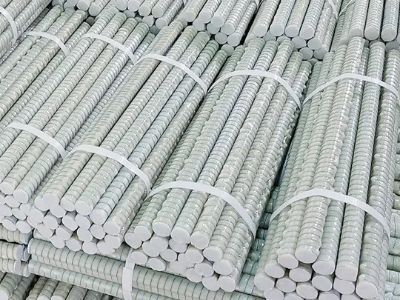
Woven carbon fiber tubes are increasingly being utilized in automotive and sports equipment manufacturing due to their impressive strength-to-weight ratio and versatility. This article explores various industrial use cases of woven carbon fiber tubes, addressing critical considerations for B2B buyers, including application suitability, supplier reliability, cost factors, installation guidance, and quality control measures. Understanding these elements will empower purchasing managers, engineers, and product managers to make informed decisions when integrating woven carbon fiber tubes into their projects.
Exploring the Applications of Woven Carbon Fiber Tubes in Automotive
Woven carbon fiber tubes are highly sought after in the automotive industry for their lightweight yet robust properties. They are commonly used in components such as chassis, frames, and suspension systems, where reducing weight without compromising strength is crucial. The automotive sector benefits from the excellent fatigue resistance of carbon fiber, making it ideal for parts that endure repetitive stress.
In sports equipment manufacturing, woven carbon fiber tubes are used in items like bicycle frames, golf clubs, and tennis rackets. Their ability to be molded into complex shapes while maintaining structural integrity allows for innovative designs that enhance performance. Additionally, the customization capabilities of woven carbon fiber tubes enable manufacturers to tailor products to meet specific performance criteria, such as stiffness and damping characteristics, which are vital in high-performance sports gear.
Choosing Reliable Suppliers for Carbon Fiber Products
Selecting a dependable supplier for woven carbon fiber products is paramount to ensuring product quality and consistency. Buyers should look for manufacturers like Chongqing Dujiang Composites Co., Ltd. (CQDJ), known for their advanced production processes, such as filament winding, which enhance the durability of their products.
When evaluating potential suppliers, consider their experience in the industry, manufacturing capabilities, and the range of customized solutions they offer. Requesting samples is also a critical step; it allows buyers to assess the material's properties, dimensions, and surface finish before placing a larger order. Furthermore, verifying certifications and quality control measures can provide insights into the supplier's commitment to maintaining high standards.
Understanding the Cost Factors of Woven Carbon Fiber Tube Manufacturing
The cost of wovenFiberglass Tube varies based on several factors, including raw material quality, manufacturing processes, and customization requirements. Generally, high-performance grades of carbon fiber will command a premium price due to their superior properties, whereas lower grades may be more cost-effective but may not meet the performance demands of specific applications.
Manufacturing costs can also be influenced by production volume. Larger orders typically benefit from reduced per-unit costs, making it essential for buyers to evaluate their requirements accurately. Additionally, the complexity of custom designs can incur higher tooling and setup costs. Buyers should engage suppliers in discussions about potential cost-saving strategies, such as bulk purchasing or standardizing designs to streamline production processes.
Installation Guidance for Woven Carbon Fiber Tubes in Your Projects
Proper installation of woven carbon fiber tubes is critical to achieving optimal performance and longevity. When integrating these tubes into automotive or sports equipment applications, it is essential to follow specific guidelines.
First, ensure that the mating surfaces are clean and free of contaminants, which can affect bonding and structural integrity. Depending on the application, specialized adhesives or mechanical fasteners may be required to secure the tubes effectively. Additionally, it is crucial to consider the load distribution and support points during installation to prevent stress concentrations that could lead to premature failure.
Before mass production, conducting thorough testing of the assembled components under actual operating conditions is advisable. This step helps to identify any potential issues related to fit, alignment, or load-bearing capacity, ensuring that the final product performs as intended.
Quality Control Measures for Woven Carbon Fiber Tube Production
Quality control is a vital aspect of woven carbon fiber tube production. Manufacturers should implement stringent quality assurance processes to maintain product consistency and reliability. This includes monitoring raw material quality, conducting in-process inspections, and performing final product testing.
Buyers should inquire about the specific quality control measures employed by their suppliers. For instance, testing methods such as ultrasonic testing, visual inspections, and mechanical testing can help verify the integrity and performance of the tubes. Understanding the supplier's quality management system and any relevant certifications can provide additional assurance of their commitment to delivering high-quality products.
Moreover, it is advisable for buyers to establish clear quality expectations and acceptance criteria before production begins. This proactive approach can help mitigate any discrepancies and ensure that the delivered products align with the required specifications.
By understanding the industrial use cases of woven fiberglass sticks in automotive and sports equipment manufacturing, along with considerations for supplier selection, cost factors, installation guidance, and quality control, B2B buyers can make informed decisions that will enhance their projects and drive success in their respective markets.
Table of Contents
- Exploring the Applications of Woven Carbon Fiber Tubes in Automotive
- Choosing Reliable Suppliers for Carbon Fiber Products
- Understanding the Cost Factors of Woven Carbon Fiber Tube Manufacturing
- Installation Guidance for Woven Carbon Fiber Tubes in Your Projects
- Quality Control Measures for Woven Carbon Fiber Tube Production