 EN
EN

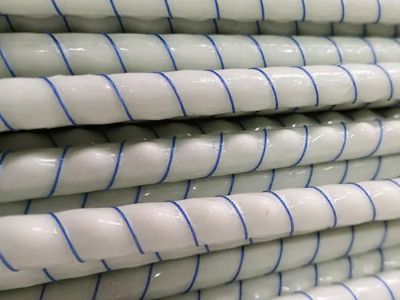
Woven carbon fiber tubes, particularly those featuring 3K twill weave options, are increasingly sought after for OEM structural component projects due to their lightweight yet robust characteristics. B2B buyers often have specific concerns regarding material strength, durability, and application suitability. This article will delve into the critical aspects of selecting the right woven carbon fiber tube, detailing specifications, supplier considerations, installation guidance, and potential applications in various industrial projects.
Choosing the Right Woven Carbon Fiber Tube for Your Project Needs
When selecting a woven carbon fiber tube for your project, several factors must be considered. First, evaluate the mechanical properties required for your application, such as tensile strength, compressive strength, and stiffness. The 3K twill weave, which consists of 3,000 filaments woven together, offers an excellent balance of flexibility and rigidity, making it an ideal choice for many structural applications.
Next, consider the dimensions of the tube, including diameter and wall thickness, as these will directly influence the tube's load-bearing capabilities. It's essential to match these specifications with the performance requirements of your project. Consulting with your supplier about these requirements can help ensure that the right product is selected based on your operational conditions.
Lastly, assess the environmental factors that the tube will face, such as exposure to chemicals or extreme temperatures. Woven carbon fiber can be tailored for specific environmental conditions, but this customization must be clearly communicated when placing an order.
Specifications of 3K Twill Weave Options for Structural Components
The 3K twill weave is characterized by its unique interlacing pattern, providing enhanced strength and a distinctive aesthetic. This weave not only contributes to the overall strength of the carbon fiber tube but also affects its performance in various applications.
Key specifications to consider include:
Weight: The weight fiberglass rods is typically lower than that of traditional materials like steel or aluminum, which can lead to significant weight savings in structural applications.
Modulus of Elasticity: This determines the tube's stiffness and is crucial for applications where deflection limits are critical.
Temperature Resistance: The operational temperature range should be clarified, as some applications may demand performance in extreme conditions.
Chemical Resistance: Ensure that the materials used in the tube can withstand potential exposure to corrosive substances.
Understanding these specifications is essential for buyers to ensure that the woven carbon fiber tube meets their project requirements without compromising on performance.
Reliable Suppliers for Carbon Fiber Tubes
Finding a reliable supplier for woven carbon fiber tubes is critical for ensuring quality and consistency in your projects. Look for manufacturers with a proven track record in the composites industry, such as Chongqing Dujiang Composites Co., Ltd. A reputable supplier should provide transparency regarding their manufacturing processes, quality control measures, and material sourcing.
When evaluating suppliers, consider the following:
Manufacturing Capabilities: Ensure the supplier has the necessary equipment and expertise to produce the specific type of woven fiberglass bar you require, including custom profiles if needed.
Certifications and Quality Standards: Verify if the supplier adheres to relevant industry standards, which can be indicative of their commitment to quality.
Lead Times and Minimum Order Quantities (MOQ): Assess their ability to meet your production schedules and whether their MOQs align with your project needs.
Requesting samples before placing a large order is advisable to evaluate the quality and performance of their products in real-world conditions.
Installation Guidance for Woven Carbon Fiber Tubes in OEM Projects
Proper installation is vital to the performance of woven carbon fiber tubes in OEM projects. Here are some key considerations for ensuring a successful installation:
Surface Preparation: Ensure that all surfaces are clean and free of contaminants before installing the carbon fiber tubes. This step is crucial for achieving optimal adhesion if bonding is part of the installation process.
Alignment and Fitting: Accurate alignment is essential to prevent stress concentration points that could lead to failure. Use jigs or fixtures during installation to maintain proper positioning.
Connection Methods: Depending on the application, you may need to use different connection methods, such as adhesives, mechanical fasteners, or welding. Each method has its advantages and should be chosen based on the specific requirements of the application.
Testing and Quality Checks: After installation, it's important to perform inspections and tests to verify that the tubes are securely fitted and functioning as intended. This can help identify any potential issues early in the deployment phase.
By following these guidelines, buyers can ensure that the woven carbon fiber tubes perform effectively within their structural applications.
Applications of Woven Carbon Fiber Tubes in Industrial Projects
Woven carbon fiber tubes are widely used across various industrial sectors due to their remarkable strength-to-weight ratio and versatility. Common applications include:
Aerospace: Carbon fiber tubes are often utilized in aircraft structures and components where weight savings are crucial for performance and fuel efficiency.
Automotive: The automotive industry employs woven carbon fiber tubes in high-performance vehicles to enhance strength while reducing overall vehicle weight.
Construction: In construction, these tubes serve as reinforcement elements in composite structures, providing enhanced durability and resistance to environmental factors.
Sporting Goods: Woven carbon fiber tubes are used in high-end sporting equipment, such as bicycles and fishing rods, due to their lightweight yet strong properties.
Understanding the specific applications of woven carbon fiber tubes can help buyers evaluate their suitability for their projects and make informed purchasing decisions.
woven carbon fiber tubes with 3K twill weave options are an excellent choice for OEM structural component projects. By considering specifications, supplier reliability, installation practices, and application suitability, buyers can effectively navigate their purchasing decisions and ensure successful project outcomes.
Table of Contents
- Choosing the Right Woven Carbon Fiber Tube for Your Project Needs
- Specifications of 3K Twill Weave Options for Structural Components
- Reliable Suppliers for Carbon Fiber Tubes
- Installation Guidance for Woven Carbon Fiber Tubes in OEM Projects
- Applications of Woven Carbon Fiber Tubes in Industrial Projects