 EN
EN


Best Fiberglass Tent Pole Replacement Solutions for All Types of Camping Tents
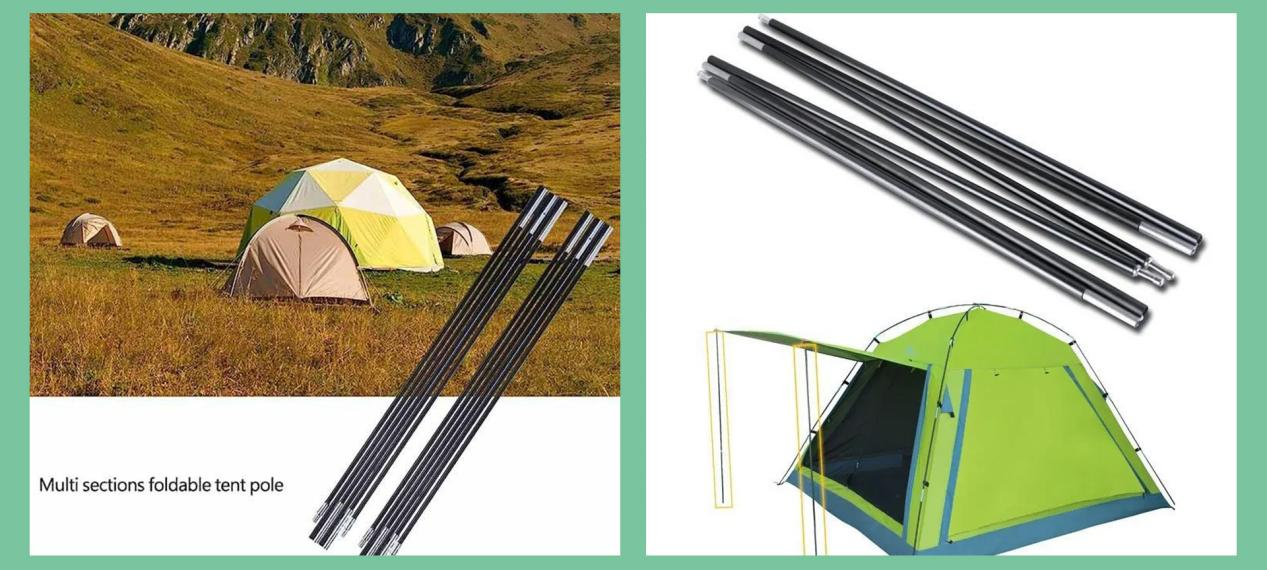
When a camping tent fails, the problem is often not the fabric. It is usually the frame.
A zipper can be replaced. A seam can be repaired. But once the pole system starts to crack or lose tension, the whole tent structure becomes unreliable. This is something many tent brands and distributors eventually run into — especially with models that have been in the market for several years.
Fiberglass tent poles have been used in camping tents for many years, and they are still a common choice among tent manufacturers.
The reason is simple. They are reliable, easy to produce, and suitable for a wide range of tent designs. For a family camping tent or a standard dome tent, fiberglass often provides the performance customers expect without adding unnecessary cost.
In real replacement projects, we rarely look at only the pole length. The details usually decide whether a replacement works or not. Diameter, wall thickness, section structure, connector matching, and flexibility all need to be checked before production.
A small difference in these areas can affect how the entire tent frame performs.
A small difference in specification can change the entire feel of the tent when it is assembled.
We have seen many customers come to us after purchasing “universal” replacement poles that looked right but did not perform well. The problem? The measurements were close, but not correct.
A proper fiberglass tent pole replacement solution starts with understanding the original design. Whether you need standard replacement sections, complete pole assemblies, or custom fiberglass tent poles for a specific tent model, the details make the difference.
This guide will walk through the practical side of fiberglass tent pole replacement — what works, what usually goes wrong, and how to choose the right solution for different types of camping tents.
Why Fiberglass Tent Poles Remain a Popular Choice in the Camping Industry
There is a reason fiberglass tent poles are still everywhere in the camping market.
They are affordable. They are easy to manufacture. And they offer enough flexibility for a wide range of outdoor applications.
For entry-level and mid-range camping tents, cost control matters. A tent manufacturer needs components that can handle regular outdoor use without pushing the final product price too high. Fiberglass fits that role very well.
One thing buyers often overlook is flexibility. Fiberglass poles are designed to bend under pressure. During normal camping conditions, especially with dome-style tents, this flexibility helps the frame absorb movement instead of transferring all the stress to the fabric and joints.
Of course, fiberglass is not a “forever” material. Leave a tent outside under strong sunlight for months, or repeatedly force damaged sections together during setup, and problems will eventually appear. That is normal wear, not a manufacturing failure.
For suppliers and brands, another advantage is replacement availability. One thing buyers often overlook is replacement support. A tent model may stay in the market for years, but sooner or later someone will need a spare pole.
That is where fiberglass tent poles offer a real advantage. We can produce fiberglass pole sections in different diameters, lengths, and structures, making it possible to match older tent models or provide replacement parts without redesigning the whole frame system.
For many outdoor brands, this matters. They do not want to throw away a proven tent design just because one component is no longer available. A reliable fiberglass tent pole supplier can help keep those products running.
Fiberglass is not the newest material out there, and it does not try to be. But for many commercial camping tents, it simply gets the job done — stable production, reasonable cost, and enough flexibility for different designs.
Common Signs That Your Customers May Need Fiberglass Tent Pole Replacement
For tent brands and outdoor suppliers, broken poles are something you will eventually deal with. It happens.
The tent fabric may still be in good shape, the zippers work fine, and the product looks almost new. But once the fiberglass tent poles start to crack, the customer experience can go downhill quickly.
From what we see in the market, most pole failures are not random. They usually happen in the same few areas.
The joint section is the first place to check. The reason is simple — this area takes the most stress every time the tent is assembled and folded. After repeated use, small cracks can appear around the connection points. At first, they may look harmless. But once the fiberglass structure is weakened, a complete break can happen during setup or in windy conditions.
For manufacturers, distributors, and retailers, catching these issues early makes a big difference. A simple fiberglass tent pole replacement solution can often save an otherwise good tent and reduce unnecessary returns.
This happens because the connection points take most of the stress during tent setup. Every time a user bends the pole into position, the ferrule area absorbs the pressure. After repeated use, small cracks can appear and gradually become a complete break.
Another common issue is broken or loose pole sections. Many camping tents use multi-section fiberglass poles connected by shock cords. If one section becomes damaged, the entire pole system may lose its original tension. The tent may still stand, but it will feel unstable, especially in windy conditions.
For manufacturers and wholesalers, another problem is customer misuse. Sometimes the fiberglass tent poles are not the real issue. The user may force a bent pole, assemble the frame incorrectly, or store the tent while the poles are wet and dirty. Over time, these habits shorten the service life.
This is why having reliable fiberglass tent pole replacement options is important for brands. Providing replacement sections, repair kits, or complete pole assemblies can improve customer satisfaction and reduce unnecessary product returns.
A good supplier does more than provide replacement parts. They help identify the actual failure point and recommend the right solution.
Different Types of Fiberglass Tent Poles Available for Replacement
Not every tent uses the same fiberglass pole design. This is where many buyers make mistakes.
A replacement pole can look almost identical in a photo. But once it goes into production, the small details start to matter.
A few millimeters in diameter, a different section length, or slightly different flexibility can change how the whole tent frame performs. We have seen buyers choose a pole that “looks right” at first, only to find assembly issues when the bulk order arrives.
For companies sourcing fiberglass tent poles, knowing the different pole options before placing an order can save a lot of trouble later. The right supplier should help you check the details — not just send a quotation and wait for the order.
The most common type is the standard segmented fiberglass pole. These are widely used in dome tents and family camping tents. Multiple fiberglass sections are connected with shock cord, allowing easy assembly and compact storage.
Another option is fiberglass pole sections for repair purposes. Instead of replacing the entire assembly, customers can replace only the broken segment. This solution is especially useful for older tents where the original manufacturer no longer supplies spare parts.
For larger shelters, thicker fiberglass tent poles are usually required. Family tents, group camping tents, and outdoor event shelters often need larger diameters to support heavier fabrics and wider structures.
There are also custom fiberglass tent poles made according to specific drawings or samples. This is common for tent manufacturers who need replacement parts for existing models or are developing new products.
From a supplier’s perspective, the key is not simply producing fiberglass rods. The real value comes from understanding how the pole works inside the complete tent structure. A good fiberglass tent pole needs the right combination of strength, flexibility, and consistency.
Choosing the Right Fiberglass Tent Poles for Different Camping Tent Types

Not all tents work with the same fiberglass tent poles. This is something buyers often learn after testing a few options.
A fiberglass tent pole that fits one tent model may not fit another. Even small differences in size and flexibility can affect the final frame performance.
For dome tents, the pole needs to bend smoothly while keeping enough tension on the fabric. Too much stiffness can damage the seams over time.Too soft, and the tent may lose its shape.
Family camping tents are a different story. They have more fabric, more space, and usually stay set up for longer periods. In this case, thicker fiberglass tent poles and stronger connectors are often needed. A pole that looks fine during assembly may not hold up after several days outdoors.
Backpacking tents usually focus on weight reduction. While premium models may use aluminum, many commercial designs still rely on fiberglass tent poles for better cost control.
Beach tents are a different case. They need poles that can handle changing wind without becoming too rigid.
There is no universal fiberglass tent pole solution. The key is matching the pole to the tent design before production starts.
How to Measure Fiberglass Tent Poles Before Buying Replacement Parts
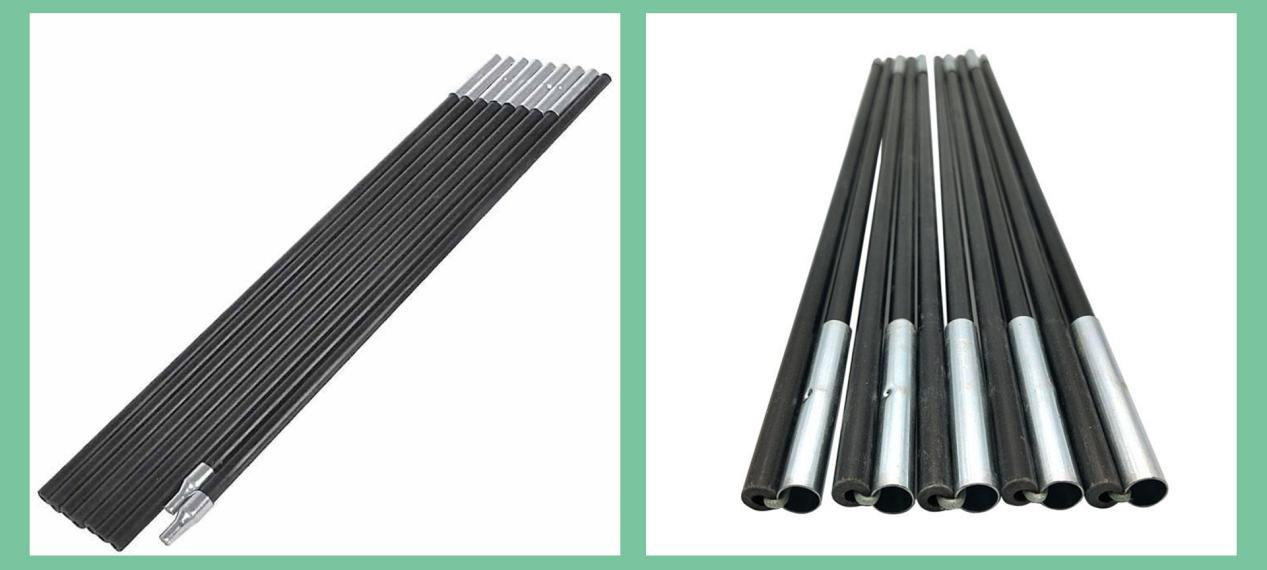
One of the biggest mistakes buyers make when sourcing fiberglass tent poles is assuming that “almost the same” means “good enough.”
In the tent industry, small differences matter.
A pole that is only a few millimeters smaller in diameter may not provide enough support. A section that is slightly longer can change the tension of the entire tent structure. These details may seem minor on paper, but they can create problems during mass production or customer use.
Before ordering fiberglass tent pole replacement parts, several measurements should be checked carefully.
The first one is the overall pole length. This sounds simple, but it is better to measure the fully assembled pole rather than individual sections. When replacing fiberglass tent poles, small details matter. A few millimeters in diameter or section length can change how the whole tent frame works.
We usually recommend buyers provide a sample or drawing before production. It saves a lot of back-and-forth and helps avoid problems after delivery.
A pole that looks right is not always the right pole.
Fiberglass Tent Pole Repair vs Full Replacement: Which Option Makes More Sense?
When a fiberglass tent pole breaks, replacing the whole set is not always necessary.
In many cases, only one or two fiberglass pole sections are damaged. If the connectors are still fine and the remaining sections have no visible cracks, replacing the broken parts is usually the most practical solution.
This approach is common for older camping tents, rental tents, and models that are still popular in the market.
But there are situations where a full fiberglass tent pole replacement makes more sense. If several sections are already weakened, the shock cord has lost tension, or the poles have been exposed to years of outdoor use, repairing one section may only fix the problem temporarily.
For tent brands, the decision often depends on the product strategy. Some companies need individual pole sections for after-sales service, while others prefer complete assemblies for easier inventory management.
A reliable supplier should be able to provide both options — not just sell whatever is available.
Best Fiberglass Tent Pole Replacement Solutions for Different Camping Situations
Not every replacement project needs the same approach.
For individual repairs, replacing a few fiberglass pole sections is often enough. Simple, quick, and cost-effective.
Retailers and repair shops usually need a wider range of common sizes to handle different tent models without keeping too much stock.
For tent manufacturers, the focus is different. They need reliable supply, consistent quality, and custom fiberglass tent poles that match existing designs.
For bulk orders, small differences matter. A slight change in diameter or flexibility can create assembly issues.
The right supplier should understand tents, not just fiberglass.
Step-by-Step Guide to Replacing Fiberglass Tent Poles
Replacing fiberglass tent poles is not difficult, but accuracy matters.
First, identify the damaged area. Do not immediately replace the entire system. Check the broken section, ferrules, and shock cord condition.
Next, match the replacement pole carefully. Diameter, length, and connection style should be the same as the original design. A pole that looks similar may still perform differently once installed.
For manufacturers, this step is even more important. Replacement parts must fit existing production standards, especially when dealing with large quantities.
After installation, always test the tent frame. Check the bending angle, fabric tension, and connection points before putting the product back into use.
A good fiberglass tent pole replacement is not just about fitting the part. It is about restoring the original performance of the tent.
How to Choose a Reliable Fiberglass Tent Pole Supplier
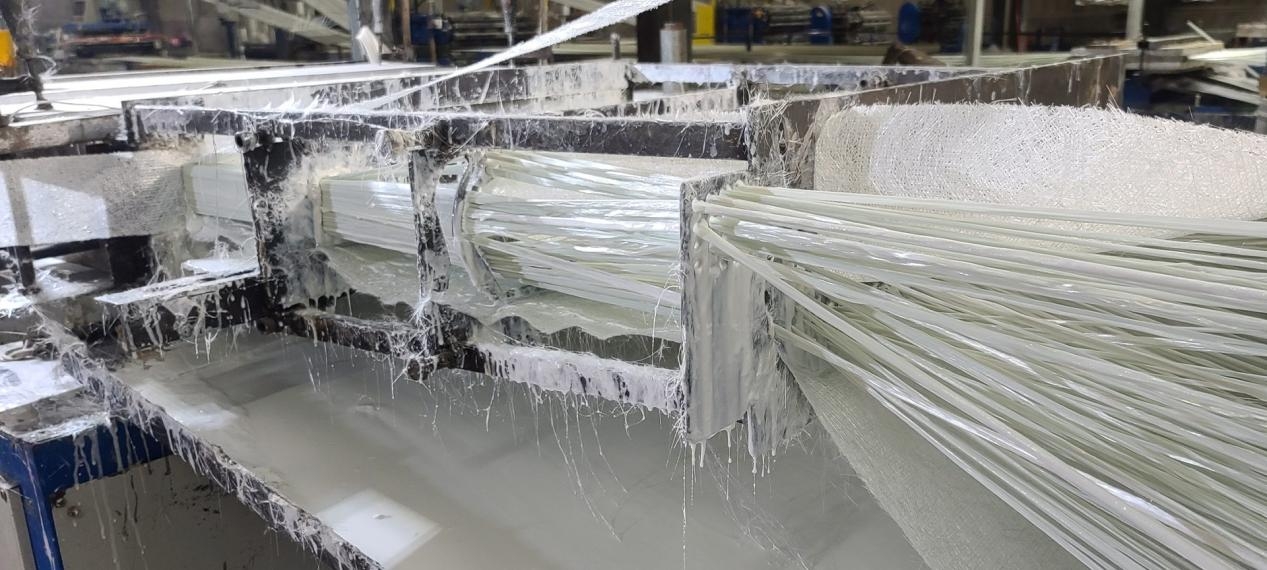
Most buyers start with price. That is understandable.
But after working with camping tent components for years, we have noticed that the real problems usually appear after the order is placed.
A sample may look perfect. Then the bulk shipment arrives, and small differences start showing up — a slightly different diameter, a different bending feel, or connectors that do not fit as smoothly as expected.
For fiberglass tent poles, consistency is everything.
A supplier should not only know how to make fiberglass rods. They need to understand how the pole works inside the tent structure. The wrong stiffness can change the way the tent opens. The wrong size can create extra stress on the fabric.
Before mass production, experienced suppliers usually check samples, drawings, and actual usage conditions with the customer. This simple step prevents many problems later.
The cheapest supplier is not always the most cost-effective choice. In the tent business, avoiding returns and production delays often saves much more.
What Information Should Buyers Prepare Before Ordering Fiberglass Tent Poles?
Many replacement projects start with a simple message:
“We need fiberglass tent poles for this tent.”
Usually, that is not enough.
To make the right pole, suppliers need more details. The original pole sample is the best reference. If that is not available, drawings, measurements, photos, and application details can also help.
Important information includes pole length, diameter, number of sections, connector style, and how the tent is used.
For older tent models, this becomes even more important. The original supplier may no longer be available, and the replacement pole needs to match an existing design.
A few clear details at the beginning can save days of communication later.
Frequently Asked Questions About Fiberglass Tent Poles
Can fiberglass tent poles be used for commercial camping tents?
Yes. Many commercial tents still use fiberglass tent poles because they are practical, reliable, and cost-effective.
Can only one broken section be replaced?
In many cases, yes. If the other sections are still in good condition, replacing the damaged fiberglass pole section is enough.
Do suppliers provide custom fiberglass tent poles?
Yes. OEM customers often need custom lengths, diameters, and structures for different tent models.
What is the best way to order replacement poles?
Providing a sample is usually the fastest method. It helps the supplier match the original design more accurately.
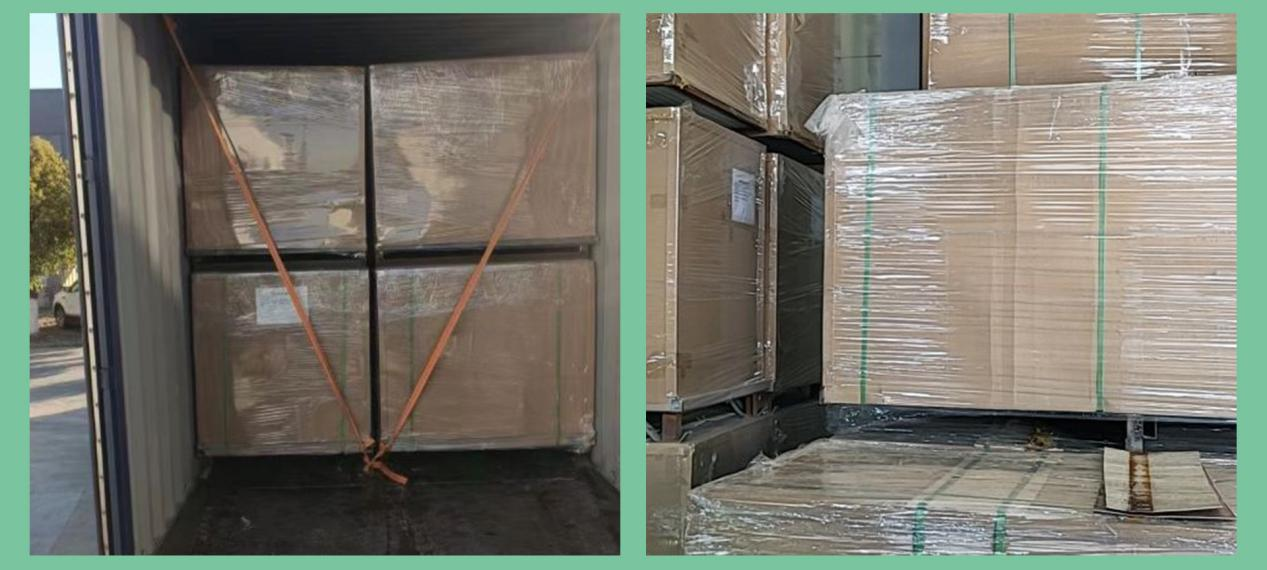
Final Thoughts
A fiberglass tent pole is not a complicated part, but it has to be right.
A few millimeters in size or a small change in flexibility can affect the whole tent.
For campers, the right replacement can bring an old tent back to life. For brands, a reliable fiberglass tent pole supplier helps avoid production headaches and customer complaints.
The best partnerships usually come from simple things: accurate information, consistent quality, and good communication.
That is what keeps a tent standing — and keeps customers coming back.