 EN
EN

Why Fiberglass Handles Are Replacing Wood on Shovels, Forks, and Brooms
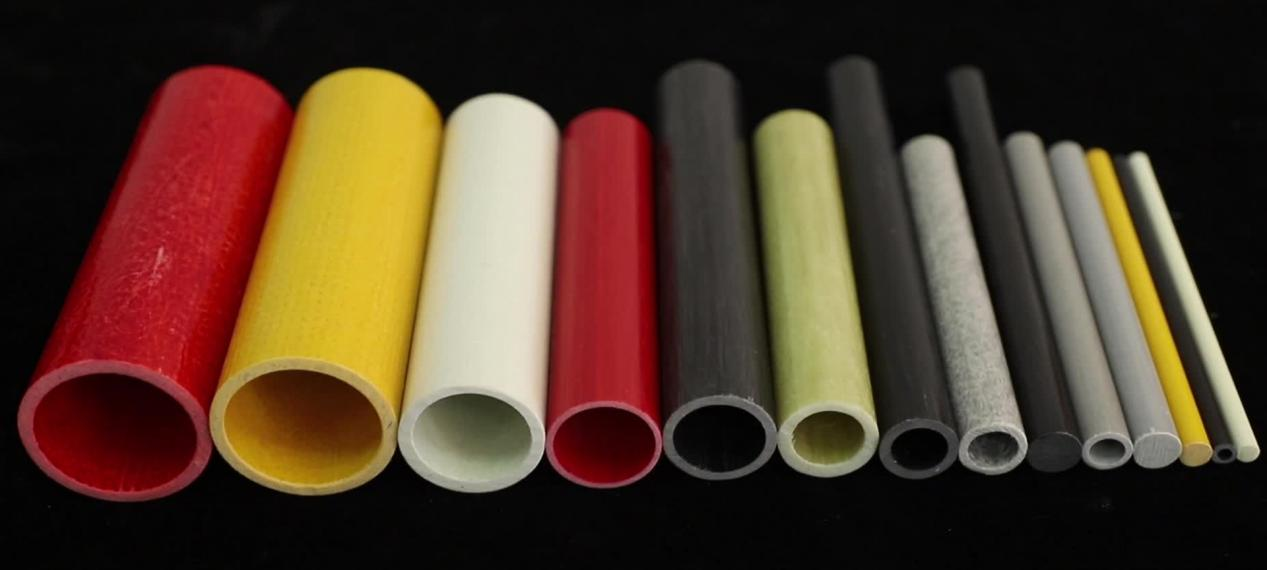
Walk through a landscaping yard or a municipal tool depot today and you'll notice the handles have changed color. Less honey-brown ash and hickory, more solid orange, black, and safety yellow. That's fiberglass handle, and it's quietly become the default handle material for anyone who uses tools professionally rather than occasionally.
Wood didn't lose this fight because it's a bad material. It lost because it's an inconsistent one — and inconsistency is expensive once you're buying tools by the pallet instead of by the piece.
Wood's Problem Was Never Strength. It Was Predictability.
For most of tool-making history, wood was the obvious choice simply because it was local and easy to shape. Ash and hickory hold up fine in a hobbyist's shed. The trouble shows up at scale.
No two handle blanks are identical. Grain direction, moisture content, density — all of it varies from tree to tree, sometimes from one handle to the next off the same production line. A landscaping crew running twenty shovels a day will eventually hit the one with a hidden weak grain line, and it'll split the moment the blade catches a root. Wood also swells and rots if it sits in a damp shed over winter, and it's an easy meal for insects if it isn't sealed properly.
None of this makes wood useless. It makes it a material with a narrow performance window — fine for occasional use, unreliable at fleet scale.
What Fiberglass Actually Changes

A fiberglass handle is glass fiber strands set in cured resin, usually made through pultrusion: fiber is pulled through a resin bath and then a heated die, curing into a solid profile as it goes. It's the same basic process a fiberglass tube manufacturer uses for flagpoles and fishing rods.
The real advantage isn't that fiberglass is dramatically stronger than good wood — it's that pultrusion produces the same fiber orientation and resin ratio on unit one and unit one hundred thousand. A buyer sourcing from a solid fiberglass tube factory knows what they're getting, batch after batch. Wood can't offer that.
Beyond consistency, fiberglass simply behaves better in the conditions tools actually live in:
· It doesn't absorb water, so it won't swell, warp, or rot in a damp shed.
· It fails gradually rather than snapping. Wood splits suddenly along the grain; fiberglass tends to show wear before it gives out, which matters a lot for anything that takes repeated impact — sledgehammers, splitting mauls, digging bars.
· It's lighter for the same strength, which adds up over an eight-hour shift.
· Insects and fungus have nothing to feed on.
Cost is the one place wood still wins outright — raw timber is cheaper than pultruded composite, which is why wood handles haven't disappeared from budget tool lines. And some people genuinely prefer the feel of wood in hand; that's a real, if shrinking, market segment.
Where the Switch Shows Up Most
Shovels. A digging shovel takes constant lateral stress from roots and rocks — exactly the load wood handles are worst at absorbing. A fiberglass shovel handle shrugs this off, which is why contractors and rental yards have mostly standardized on it. It's also one of the most commonly bought replacement parts: a cracked wood handle is often the only reason a perfectly good shovel blade gets thrown out, and swapping in a replacement shovel handle usually costs a fraction of buying a new tool.
Brooms. Push brooms live outdoors or in damp utility areas — loading docks, garages, mop closets. Fiberglass broom handles hold up in exactly the environment where wood fails fastest.
Garden tools. Forks, hoes, and cultivators take twisting force and constant contact with wet soil. A garden fork handle replacement in fiberglass is one of the most searched repair items among home gardeners, since the wood handle is usually the first part of a mid-range garden tool to fail. Garden centers have leaned into fiberglass garden handles for exactly this reason — fewer warranty returns, longer tool life.
Striking tools. Sledgehammers and mattocks increasingly ship with fiberglass by default. Sudden handle failure mid-swing is a real safety issue, and fiberglass's more gradual wear pattern is safer for anyone using the tool repeatedly.
The Market Numbers
This isn't a niche trend. Independent research on the tool handles category has it growing at a CAGR above 10% — notably faster than the broader hand tools market, which is expanding in the mid-single digits on construction and DIY demand. That gap is the composite substitution story playing out in real time: it's not that people are buying more tools overall, it's that more of those tools are shipping with composite handles instead of wood or plastic.
The fiberglass materials market backing this is sizeable and growing steadily too. Estimates put the global market somewhere around $20–30 billion as of the mid-2020s, with most forecasts pointing to $35–50 billion by the early 2030s at a CAGR around 6–7%. Asia Pacific holds the largest share of production and consumption by a wide margin, with China as the dominant producer and India growing fastest off a smaller base — largely on the back of construction and renewable energy demand. North America's market is more mature, with growth driven more by replacement and higher-spec applications than by new volume.
For manufacturers and investors, that combination — a handles subcategory growing faster than the tool market around it, sitting inside a steadily expanding materials market — points to a structural shift rather than a passing trend. It's the same pattern fiberglass followed decades ago in fishing rods, ladders, and utility poles.
What to Look For in a Supplier
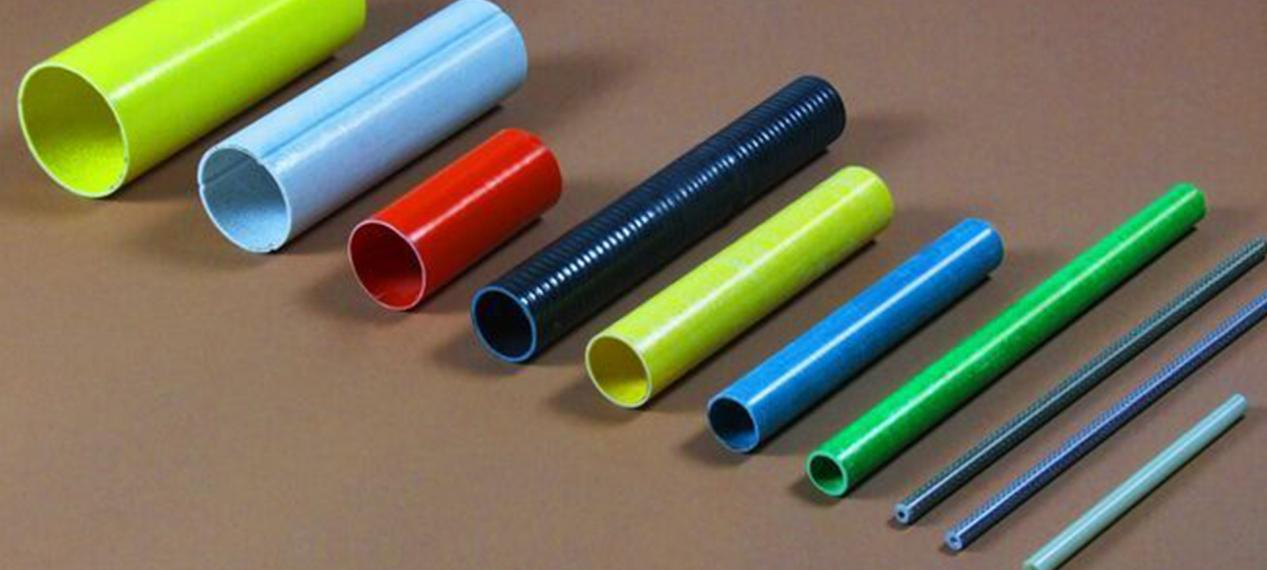
Not every "fiberglass handle" is built the same way, and the differences come down to process control at the fiberglass tube manufacturer level:
· Fiber-to-resin ratio — more glass generally means more strength, but too little resin makes the profile brittle.
· Fiber orientation — handles under lateral or twisting stress (shovels, forks) usually need a mix of straight roving and cross-wound layers, not just unidirectional fiber.
· Resin type — polyester is the standard, cost-effective choice; vinyl ester holds up better in humid or export conditions; epoxy shows up mainly in premium lines.
· UV protection — handles that live outdoors need UV-stabilized resin or a proper gel coat, or the surface fibers "bloom" into a rough texture after a season in the sun.
· Actual test data — ask for documented flexural and tensile results for the specific profile, not just marketing copy. Request samples before committing to volume.
Choosing a Replacement Handle
For anyone repairing rather than manufacturing: match the attachment type first — tang-and-ferrule or socket — since that determines fit more than length does. Check the diameter where the handle meets the tool head, since it varies slightly between manufacturers even within the same nominal size. If the tool will live outdoors, confirm the resin has UV protection. And for anyone buying replacement handles for garden tools at volume — a landscaping fleet, a rental yard — it's worth asking the supplier for test data rather than taking durability claims on faith.
The Bottom Line
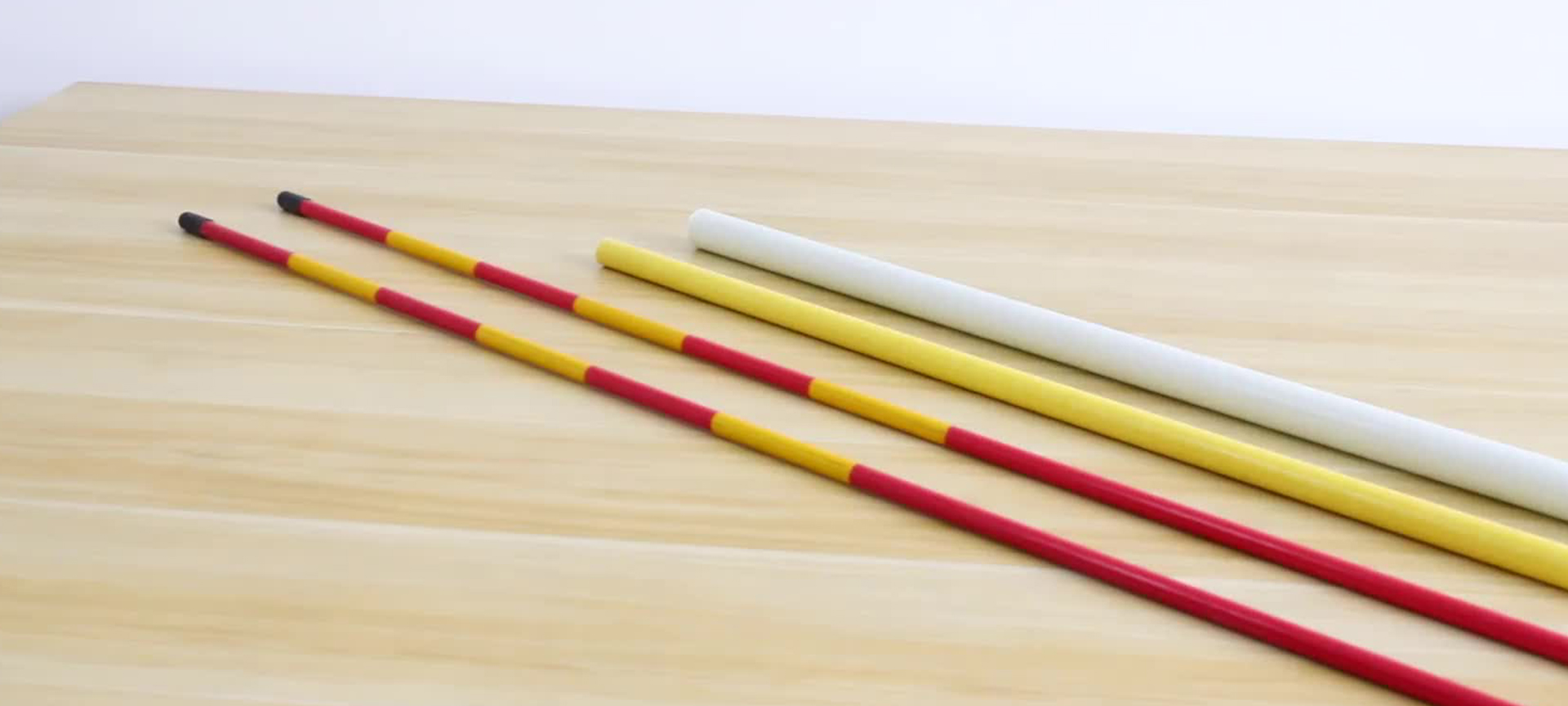
Wood handles aren't going away, especially at the budget end of the market and among people who just like the feel of natural wood. But for anything used professionally, stored outdoors, or sold with a warranty attached, the math increasingly favors fiberglass handles: predictable performance, better moisture resistance, and a failure pattern that gives users warning instead of snapping without one. The market data backs up what's visible on the ground — this is a steady material substitution, not a fad, and the suppliers who nail process consistency are the ones set up to capture it.