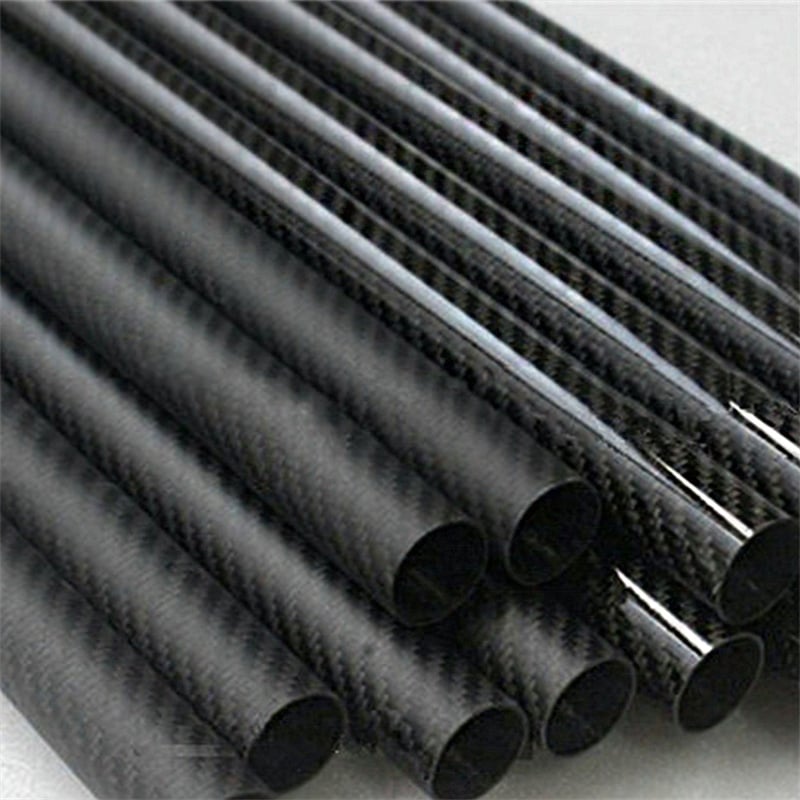
Carbon fiber tubes are increasingly recognized for their strength, lightweight properties, and versatility in various applications across industries. When sourcing carbon fiber tubes, B2B buyers—such as purchasing managers, engineers, and product managers—often face challenges related to material selection, quality assurance, and compatibility with existing systems. This article aims to provide essential guidance on choosing the right carbon fiberglass round rod for your project needs, ensuring that you make informed purchasing decisions at CQDJ.
Selecting the appropriate carbon fiber tube requires a thorough understanding of the specific requirements of your project. Factors such as the intended application, load-bearing capacity, environmental conditions, and compatibility with other materials must be considered. For instance, if the tube will be used in a high-stress environment, a tube with a higher tensile strength and stiffness may be necessary. Additionally, understanding the tube's diameter and wall thickness is crucial, as these dimensions affect both performance and weight.
It's also important to assess the manufacturing process used to create the carbon fiber tube. Common methods include filament winding, with each offering distinct advantages. For example, filament winding allows for the creation of complex geometries, continuous lengths of uniform cross-section. Evaluating these factors will help ensure that the carbon fiber tube meets your project’s demands.
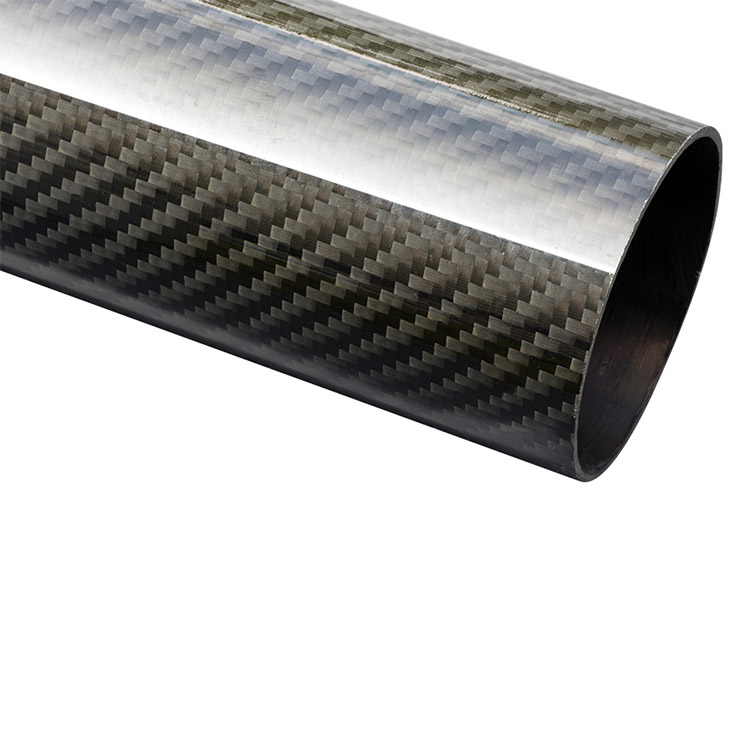
When evaluating carbon fiber tubes, several key specifications should be prioritized:
Material Composition: Look for high-quality carbon 1 4 fiberglass rod materials that ensure durability and performance. The ratio of carbon fibers to resin can significantly affect strength and stiffness.
Tensile Strength: This measurement indicates the maximum stress the tube can withstand while being stretched or pulled. Higher tensile strength translates to greater durability in applications subjected to high loads.
Weight: One of the primary advantages of carbon fiber is its lightweight nature. CQDJ ensure the tube's weight aligns with your project requirements, especially for applications where weight reduction is critical.
Dimensions: Confirm that the diameter and wall thickness match your specifications. Variations can impact fitting, performance, and installation.
Surface Finish: A smooth finish can enhance the aesthetic appeal and reduce drag in applications such as sports equipment or aerospace components.
Certification and Testing: Ensure the manufacturer provides certifications that verify the tube's quality and compliance with industry standards. This includes information regarding testing procedures that confirm the tube’s performance capabilities.
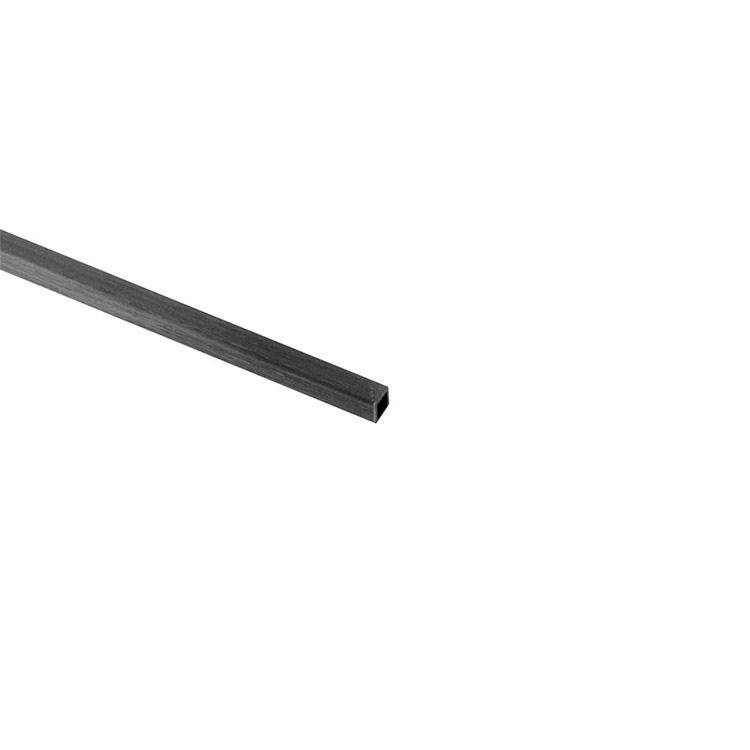
Evaluating the quality of carbon fiber tubes involves several steps to ensure that the products meet your standards:
Request Samples: Before making a bulk purchase at CQDJ, always request samples. Testing samples under actual load conditions can reveal potential issues related to performance, compatibility, and durability.
Check for Certifications: Look for manufacturing certifications that indicate adherence to quality standards. Certifications can provide insight into the manufacturer's commitment to producing high-quality products.
Inspect the Manufacturing Process: Understanding the processes used in manufacturing can offer insights into the potential quality of the tubes. For instance, advanced techniques such as precision filament winding can lead to higher consistency and quality.
Review Quality Control Measures: Inquire about the manufacturer's quality control processes. A robust quality assurance program should be in place to monitor production and ensure each batch meets specified standards.
Evaluate Customer Feedback: Consider reaching out to other customers or reading reviews about the manufacturer’s products. Real-world experiences can provide valuable insights into potential issues or benefits.
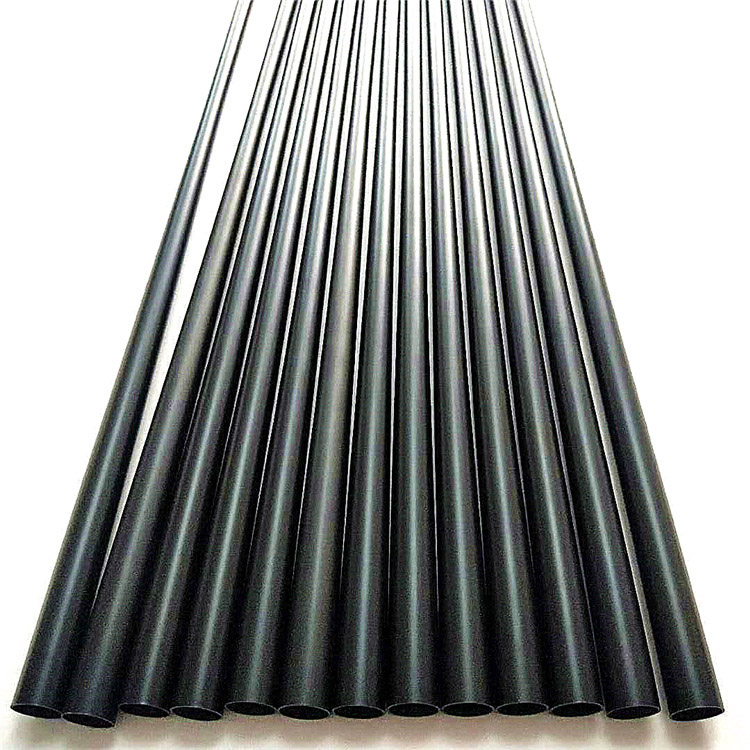
While carbon fiber tubes offer numerous advantages, buyers should be aware of common issues that may arise:
Delamination: This occurs when layers of the composite material begin to separate, compromising integrity. To mitigate this issue, ensure that the manufacturing process includes proper curing techniques and quality checks.
Defects in Surface Finish: Imperfections in the surface can lead to stress concentration points. Buyers should inspect samples for surface quality and request information on the finishing processes used.
Weight Variability: Inconsistent weight across tubes can affect performance. When ordering, ensure that the manufacturer adheres to strict weight tolerances.
Compatibility Issues: If the tubes are intended to connect with other components, compatibility must be verified to prevent fitting problems. Providing detailed specifications during the RFQ process can help manufacturers tailor products to your needs.
Cost Management: While carbon fiber can be more expensive than traditional materials, it's essential to evaluate the total cost of ownership, including longevity and performance benefits. Consider how the investment can lead to reduced maintenance and replacement costs over time.
Our fiberglass products are Telescopic fiberglass pole for their value. Our products provide excellent price-to-performance ratio despite their superior performance. Our large selection of sizes and options for customization let our customers find the most suitable solution to their requirements. We are able to meet a variety of needs, whether it is a regular fiberglass profile design or a custom-designed fiberglass bar. In total, We can produce a wide range of fiberglass profiles, such as channels, angles and rods. and various other customized shapes.
Our fiberglass products are known to be extremely sturdy, durable, and versatile. They are produced with advanced techniques and top quality materials. No matter if it's a fiber rod for construction or a 3 8 fiberglass rod of fiberglass for industrial applications The products we offer are designed to stand up to the toughest conditions. In addition, our products are lightweight and corrosion-resistant which makes them suitable for a wide range of uses.
Our Fiberglass sticks to quality and innovation is what sets us apart from other companies in the market. We have over 40 years' experience in producing fiberglass rods, fiberglass profiles and tubes. Our commitment to customer satisfaction as well as continuous improvement makes us stand out from our competitors. Transparency and transparency are important to us. We want our clients to be informed and actively engaged.
Alongside our outstanding products, we're also committed to continuing development and research to expand our product offerings. We seek out feedback from our customers and make investments in continual improvement to ensure that our products are ahead of the industry. Our technical support and after-sales assistance are second to none providing our customers with peace of confidence. At present, our profiles are predominantly sold to Fiberglass sticks, the Middle East and North America, a total of 60 countries.
Understanding the material properties of carbon fiber tubes is crucial for making informed decisions. Key properties include:
High Strength-to-Weight Ratio: Carbon fiber tubes are known for being exceptionally strong while remaining lightweight, making them ideal for applications in aerospace, automotive, and construction.
Corrosion Resistance: Unlike metals, carbon fiber does not corrode, making it suitable for harsh environments where exposure to moisture or chemicals is a concern.
Fatigue Resistance: CQDJ carbon fiber materials exhibit excellent fatigue resistance, maintaining performance over prolonged use even under cyclic loading conditions.
Thermal Stability: Carbon fiber tubes can withstand a range of temperatures without significant degradation, which is beneficial for applications subject to thermal fluctuations.
Electrical Conductivity: Depending on the composition, some carbon fiberglass rod can conduct electricity, which may be a consideration for specific applications.
In summary, when sourcing carbon fiber tubes, understanding their properties, manufacturing processes, and quality evaluation methods is essential. By considering these factors, B2B buyers can ensure they select the right products that meet their project requirements while mitigating potential risks.
Copyright © Chongqing Dujiang Composites Co., Ltd. All Rights Reserved
 EN
EN