 EN
EN

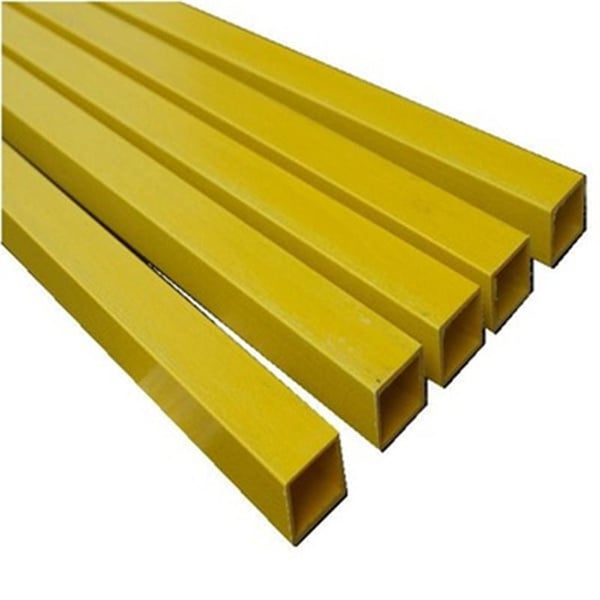
Industrial fiberglass tubing is used in many places, like factories and construction sites. Fiberglass is strong and can last a long time, which makes it a good choice for many products. One important thing about fiberglass tubing is how thick the walls are. Different wall thicknesses can be important for different uses. Companies like CQDJ stock various wall thicknesses to meet the needs of their customers. When you need fiberglass tubing, it’s good to know why having different wall thicknesses is useful.
What to Look for in Industrial Fiberglass Tubing Thickness Options
When you’re looking for industrial fiberglass tube, the thickness of the walls is very important. Thicker walls can handle more pressure, which is great for jobs that need strong materials. If you’re working on something that has high temperatures or chemicals, you might want thicker tubing. This is because thicker walls can protect against damage from those conditions. For example, if you need tubing for a chemical plant, a thicker wall will help keep everything safe.
On the other hand, thinner walls can be lighter and easier to work with. If you are making something that doesn’t need to hold a lot of pressure or weight, thinner walls might be a better choice. You can also save money by choosing thinner tubing if it fits your needs. Think about the project you are working on. Do you need strength, or is it more about being light and easy to handle?
Also, consider the space you have to work with. Sometimes, thicker tubing can take up more room, which might not work for your project. CQDJ offers a variety of thicknesses, so you can find the right type for whatever you are doing. The right wall thickness can make a big difference in how well your project turns out. Always think about what you need before you choose the tubing.
Where to Find the Best Deals on Industrial Fiberglass Tubing with Varying Wall Thicknesses
Finding the best deals on industrial fiberglass tubing can be tricky, but it’s not impossible. First, you should look at different suppliers to compare prices. CQDJ often has special offers and discounts, so it’s good to check their website or contact them directly. Sometimes, buying in bulk can also save you money. If you know you will need a lot of tubing, ask about bulk pricing options.
Another way to find good deals is to look for sales during certain times of the year. Many suppliers have sales events where you can get discounts on popular products, including fiberglass tubing. You might also want to subscribe to newsletters from suppliers like CQDJ. They often send out information about sales or new products.
Don’t forget to consider shipping costs as well. Sometimes a cheaper product can end up being more expensive when you add in shipping. CQDJ tries to keep shipping costs low, which is good for customers. If you are close to the supplier, you might even save money by picking it up yourself.
Lastly, talk to other people in your industry. They might know about deals or suppliers that you haven’t found yet. Joining online forums or groups can help you connect with others. Sharing experiences can lead you to great finds and tips for saving money on fiberglass tubing. By looking around and asking questions, you can find the best deals that fit your needs.
When you’re searching for industrial fiberglass tube insulation, keep in mind the importance of wall thicknesses. CQDJ is ready to help you find the right product for your project, whether you need thick or thin tubing.
Common Usage Issues with Industrial Fiberglass Tubing and How to Avoid Them
Industrial fiberglass tubing is used in many places, from factories to homes. However, there can be some problems when using this kind of tubing. One common issue is that the tubing might not be strong enough for certain jobs. If it is too thin, it can bend or break under pressure. This can lead to leaks or damage to the equipment it is connected to. To avoid this problem, it's important to choose the right wall thickness for the job. If you know the amount of pressure the tubing will face, you can select a thicker wall to make sure it stays strong.
Another issue is that fiberglass tubing can get damaged if it is not installed properly. If the tubing is twisted, bent, or dropped, it might crack or break. To avoid this, always handle the tubing carefully. Make sure to follow the instructions for installation. Using the right tools and techniques can help keep the tubing safe. CQDJ, a trusted name in industrial supplies, offers guidance on how to handle and install fiberglass tubing correctly.
Temperature changes can also affect fiberglass tubing. If it gets too hot or too cold, the tubing can expand or contract. This can cause leaks or breaks if the tubing is not the right thickness. Always consider the environment where the tubing will be used. If it will be in a very hot or cold place, a thicker wall can help it withstand those changes.
By understanding these common issues and how to avoid them, you can ensure that your industrial fiberglass tubing works well for a long time. Choosing the right wall thickness, installing it carefully, and considering temperature changes are all important steps to take. CQDJ is here to help you with any questions you may have about using fiberglass tubing effectively.
What Are the Benefits of Different Wall Thicknesses in Fiberglass Tubing?
Fiberglass tubing comes in different wall thicknesses, and each thickness has its own benefits. A thicker wall means the tubing is stronger. This is especially important in industries where the tubing needs to carry heavy loads or deal with high pressure. A thick wall can prevent leaks and breaks, making it safer and more reliable. For example, if the tubing is used to carry chemicals, a thicker wall can help prevent leaks that could harm workers or the environment.
On the other hand, thinner wall tubing can be lighter and easier to handle. This can be useful in places where weight is a concern. For example, in construction, lighter materials can make it easier to transport and install the tubing. Thinner tubing can also be less expensive, which can help save money on projects. However, it is important to make sure that the thinner tubing is still strong enough for the job it needs to do.
Another benefit of different wall thicknesses is that they can be used in various applications. Some industries may need thicker tubing for heavy machinery, while others may need thinner tubing for smaller projects. By offering a range of wall thicknesses, CQDJ allows customers to choose the right tubing for their specific needs. This versatility is very important in industrial settings, where different jobs require different materials.
In summary, the benefits of different wall thicknesses in flexible fiberglass tube include strength, weight, cost, and versatility. Choosing the right thickness for your project can greatly affect its success. Always consider what you need the tubing for, and make sure to pick the right wall thickness to get the best results.
How to Maximize Your Investment in Industrial Fiberglass Tubing Through Wall Thickness Selection
Investing in industrial fiberglass tubing can be a smart choice for many businesses. To get the most out of this investment, it’s important to choose the right wall thickness. This choice can directly affect the performance and lifespan of the tubing. Choosing a wall thickness that is too thin can lead to problems like cracks and leaks, which can be costly to fix. On the other hand, selecting a thickness that is too thick can result in unnecessary spending.
When selecting wall thickness, first consider the specific needs of your project. This means looking at the pressure, temperature, and materials that the tubing will handle. If you know that the tubing will be under high pressure, a thicker wall is the best choice. This will help prevent damage and ensure that the tubing lasts a long time. CQDJ experts can help you understand these requirements and guide you in choosing the right thickness.
Additionally, think about the environment where the tubing will be used. If it will be exposed to extreme temperatures or chemicals, selecting a thicker wall can provide additional protection. This can help you avoid costly repairs or replacements in the future.
Also, consider working with a supplier like CQDJ that offers a wide range of wall thicknesses. This allows you to find the perfect tubing for your project without overspending. By carefully selecting the right wall thickness, you can maximize the value of your investment in industrial fiberglass tubing.
Table of Contents
- What to Look for in Industrial Fiberglass Tubing Thickness Options
- Where to Find the Best Deals on Industrial Fiberglass Tubing with Varying Wall Thicknesses
- Common Usage Issues with Industrial Fiberglass Tubing and How to Avoid Them
- What Are the Benefits of Different Wall Thicknesses in Fiberglass Tubing?
- How to Maximize Your Investment in Industrial Fiberglass Tubing Through Wall Thickness Selection