
When considering glassfiber tubes for your projects, understanding their specifications, applications, and quality control measures is critical. Glassfiber tubes are composite materials made from fiberglass, known for their strength, lightweight properties, and resistance to corrosion. For B2B buyers, the key concerns typically revolve around durability, cost-effectiveness, customization options, and the potential challenges during installation. This article will provide insights into selecting high-quality glassfiber tubes, comparing specifications, evaluating cost factors, addressing common installation problems, and understanding quality control in their manufacturing.
Selecting high-quality glassfiber tubes begins with understanding the specific requirements of your application. Consider factors such as load-bearing capacity, environmental exposure, and dimensional specifications. The material's tensile strength, which is a measure of how much force the tube can withstand while being stretched, is essential. For instance, tubes used in construction must meet specific load requirements to ensure safety and longevity.
Additionally, consider the manufacturing process. Advanced methods like pultrusion and filament winding, employed by manufacturers such as Chongqing Dujiang Composites Co., Ltd., enhance the structural integrity of the tubes. Buyers should also look for customization options that allow tailoring of dimensions and profiles to meet unique project specifications. Before making a decision, request samples to evaluate performance under actual working conditions. You may also explore Fiberglass Molded Grating Customizable Solutions that offer versatile applications.
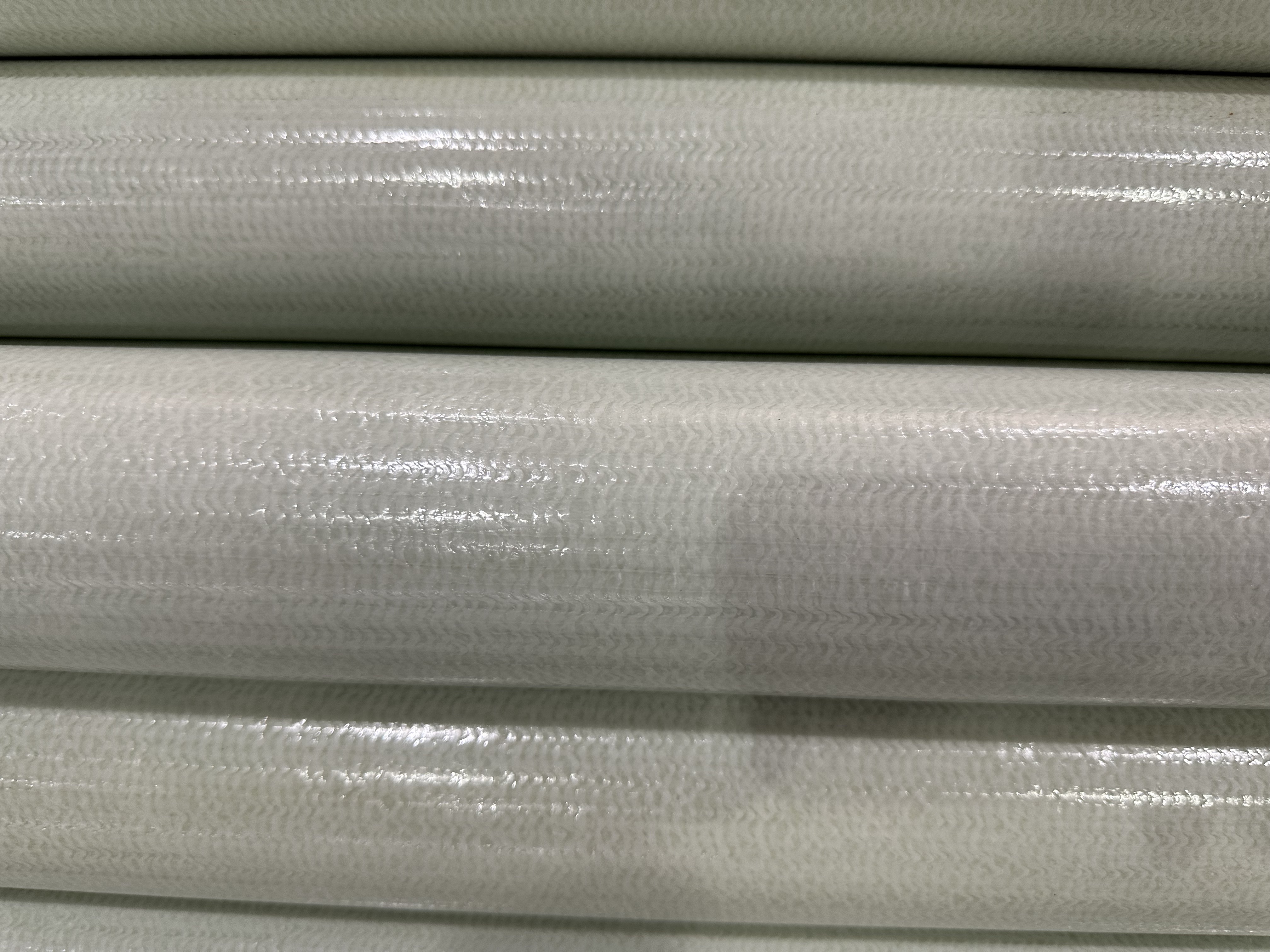
When comparing specifications for bulk orders of glassfiber tubes, focus on key attributes that influence performance. Important specifications include:
Diameter and Wall Thickness: These dimensions affect the tube's strength and suitability for various applications. Material Composition: The type of fiberglass used can significantly impact durability and resistance to chemical exposure. Tensile and Compressive Strength: These values determine how well the tubes will perform under stress. Thermal Stability: Understanding the temperature range that the tubes can withstand is crucial, especially in industrial applications. Surface Finish: A smooth surface may be necessary for certain applications to reduce friction or enhance aesthetic appeal.Buyers should request detailed technical data sheets from suppliers to assess these specifications and ensure the products align with their project requirements.
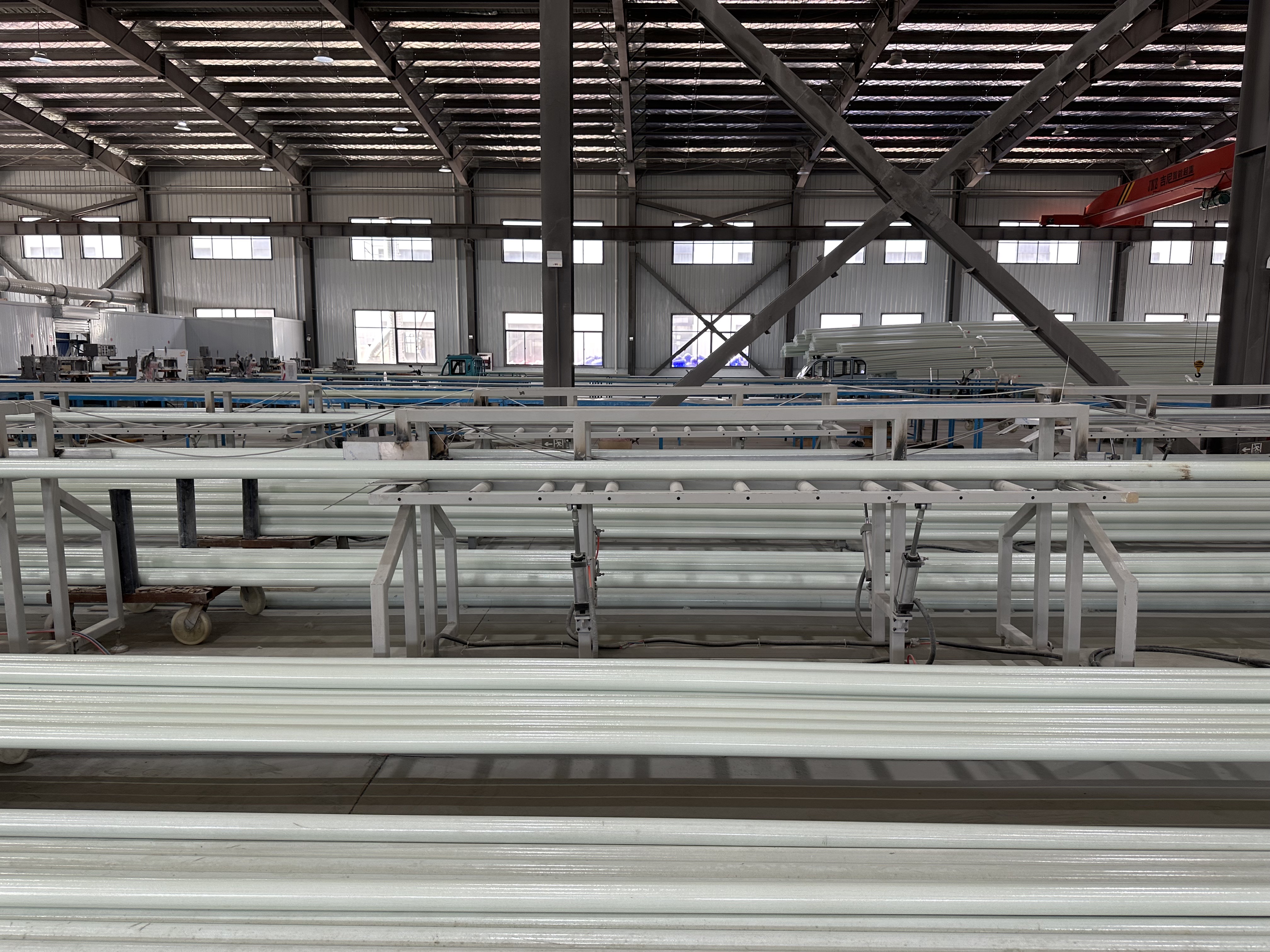
Cost evaluation for glassfiber tubes involves several factors that go beyond the initial purchase price. Key considerations include:
Volume Discounts: Bulk orders often qualify for price reductions, making it essential to understand the minimum order quantities (MOQs) for achieving lower prices. Shipping and Handling: Since glassfiber tubes can be bulky, shipping costs may impact total expenditure. Inquire about packaging methods that ensure safe transport while minimizing costs. Customization Fees: If special profiles or dimensions are required, additional costs may be incurred. Be sure to clarify these potential expenses with the manufacturer before finalizing orders. Quality Assurance: Investing in higher-quality tubes may seem more expensive initially, but it can lead to lower maintenance costs and improved durability in the long run.Buyers should prepare for negotiations by gathering all relevant information about project requirements and expected usage to ensure they receive the best possible pricing.
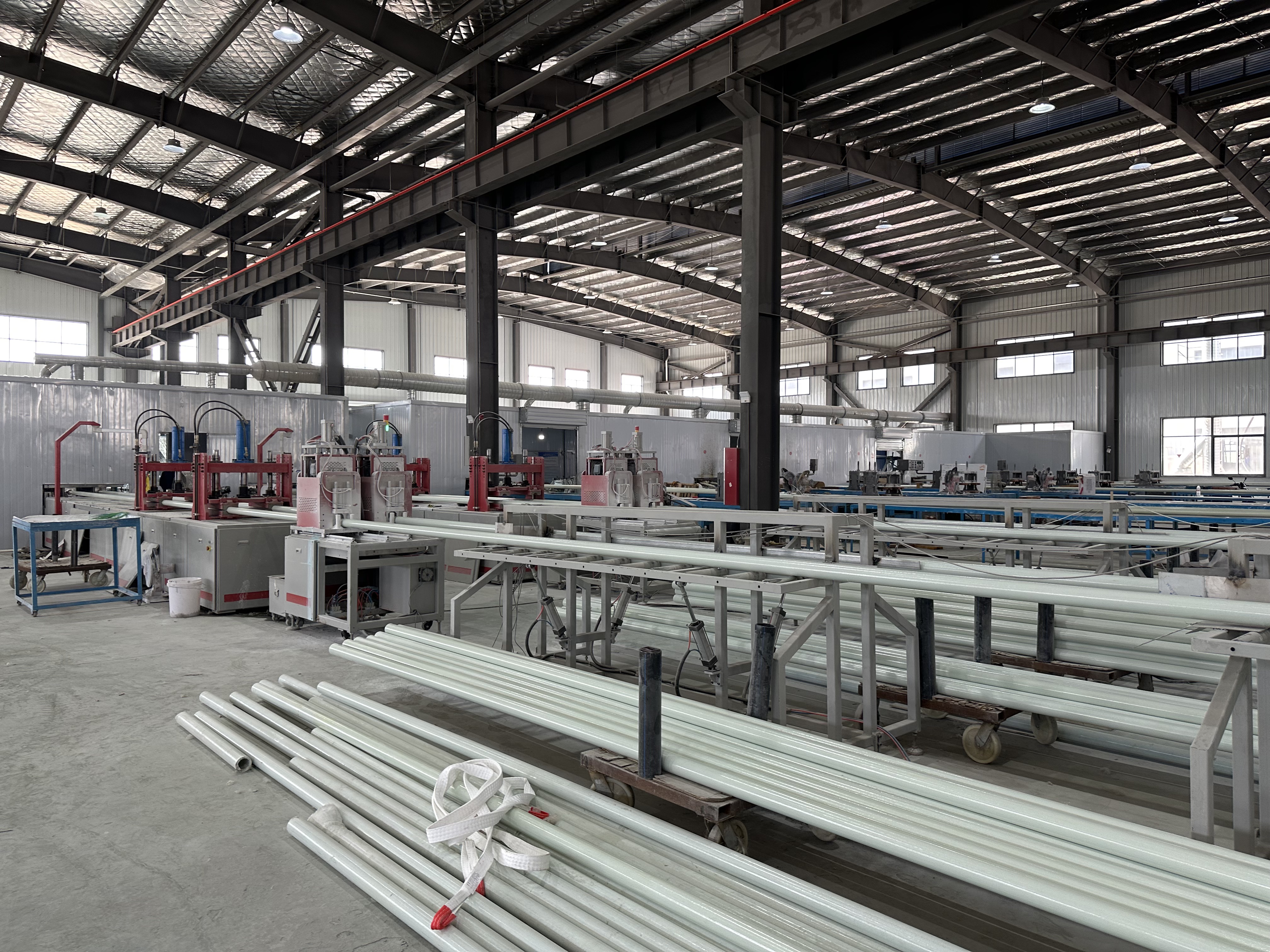
While glassfiber tubes are known for their durability, improper installation can lead to numerous issues. Common problems include:
Alignment Issues: If tubes are not aligned correctly during installation, it can lead to stress points and potential failure. Ensure that proper fixtures and supports are used during the installation process. Inadequate Support: Insufficient bracing can cause sagging or bending under load. It's crucial to follow the manufacturer's guidelines for support spacing and placement. Thermal Expansion: Glassfiber tubes can expand and contract with temperature changes. Allow for this movement in your installation design to prevent stress fractures.To mitigate these issues, thorough planning and consultation with experienced professionals are recommended. Consider conducting a test installation or review before the actual installation to identify potential pitfalls.
We're committed in our ongoing development and research in order to improve our products. Our customers are regularly engaged and we continue to invest in improvement to keep our products in the forefront of their industry. The after-sales assistance as well as our technical expertise is unbeatable giving our customers confidence and peace of head in the performance of our fiberglass products. Our profiles are sold mostly to Southeast Asia and the Flexible fiberglass rodst that totals 60 countries.
Our fiberglass products are Telescopic fiberglass pole for their value. Our products provide excellent price-to-performance ratio despite their superior performance. Our large selection of sizes and options for customization let our customers find the most suitable solution to their requirements. We are able to meet a variety of needs, whether it is a regular fiberglass profile design or a custom-designed fiberglass bar. In total, We can produce a wide range of fiberglass profiles, such as channels, angles and rods. and various other customized shapes.
Our commitment to innovation and quality is what sets us apart from other businesses in the market We have over 40 years' experience in producing 3 8 fiberglass rod and tubes We are distinguished from our competitors by our commitment to continuous improvement and client satisfaction We prioritize honesty and transparency in our communications which means that our clients are always aware and are involved in the process
The fiberglass we use is recognized for their Fiberglass extension pole durability, strength and adaptability. Our products are manufactured by using the latest techniques and quality materials. Our products, be it an aluminized rod to construct or a tubular of fiberglass to be used in industrial applications are designed to last. Our products are also lightweight and resist corrosion, making them perfect for many applications.
Quality control is vital in the manufacturing of glassfiber tubes to ensure that the products meet specified standards. Key aspects of quality control include:
Raw Material Inspection: Before production, it is crucial to inspect the quality of fiberglass materials. This ensures that only the best raw materials are used, which directly affects the final product's performance. Process Monitoring: During manufacturing, parameters such as temperature, humidity, and curing times must be closely monitored to maintain quality consistency. Testing and Certification: Implementing rigorous testing procedures, such as tensile testing and dimensional checks, helps identify defects early. Buyers should inquire about any certifications the product may have, which can provide additional assurance of quality. Post-Production Inspection: A final round of inspections before shipping ensures that products meet the required specifications and are free from defects.By understanding the quality control processes employed by manufacturers like Chongqing Dujiang Composites Co., Ltd., buyers can make informed decisions and reduce the risk of receiving subpar products. Additionally, consider sourcing from Fiberglass utility poles: Benefits, uses, and top manufacturers to enhance project outcomes.
selecting the right glassfiber tubes requires careful consideration of specifications, cost factors, potential installation challenges, and quality control practices. By being informed and prepared, B2B buyers can ensure that they choose the best products for their projects, ultimately leading to successful outcomes.
Copyright © Chongqing Dujiang Composites Co., Ltd. All Rights Reserved
 EN
EN